Do these 3 things before closing this tab:
1Fix the driver behind crashes, sound loss and screen glitches2Clear out junk files and repair common Windows errors3Scan for outdated or missing drivers - takes under a minuteThere is no reliable current value for a used seed tender in the available price evidence. A 2020 comparison shows why these machines can be hard to price: a used tender was advertised only modestly below comparable new equipment. Treat those figures as historical asking prices, not as a 2026 valuation or a guide to what a particular machine should cost.
What was the 2020 price comparison?
In a report published April 21, 2020, Successful Farming listed a used 2018 Unverferth 3755XL bulk tender for $31,500 in Illinois. The described unit had a 375-seed-unit capacity, an 8-inch-wide by 21-foot-long belt conveyor, triple axles, scales, remote control and a bumper hitch.
The same report gave a $33,750–$39,800 asking-price range for a similarly equipped new 2020 3755XL. On those reported figures, the used asking price was $2,250 below the low end and $8,300 below the high end of the new range. These were advertisements, not completed sales, and the comparison is not a current quote.
Why used and new tenders could be priced so close
Successful Farming described a market in which used tenders were scarce, new sales were sluggish, manufacturers were pricing new units aggressively, and dealer lots contained “new old-stock” machines that were one to four years old. With those conditions, a late-model used tender with substantial equipment could sit near the price of a new one.
Recommended Free Tools
#1 Best Overall

- Recommended for 14+ years and up, not recommended or intended for play
- Pin hitch to make it compatible with other 1/64 tractors
- High Detail, very fragile.
- Die Cast construction with rubber wheels & some plastic parts
- Approx dimensions : 4.5in L x 2in W x 2.25in H
The article also reported that many tenders had sold through 2013, followed by slower new sales after commodity prices fell. Used tenders rarely appeared at auction except in retirement or estate sales. Tim Meyer of Steffes Auctioneers said, “We don’t see that many of them coming to our consignment sales,” and the report said bidding was usually brisk when tenders did appear, particularly for late-model bulk units. This is the publication’s account of the market in 2020, not a current supply or auction-price measure.
What to compare when evaluating a tender
Model year alone is not enough. Seed tenders vary by type and configuration, and a price comparison is useful only when the equipment and condition are meaningfully similar.
Rank #2

- Historic Heirloom Bean: Cherokee Trail of Tears beans hold a powerful legacy, carried during the 1830s forced relocation. A meaningful addition to gardens that honors tradition while delivering reliable harvests.
- Dual-Purpose Versatility: Enjoy the pods fresh as tender green snap beans, or let them mature into shiny black beans perfect for drying, storing, and using in soups, stews, and chili recipes.
- Vigorous Pole Bean Growth: Tall vines climb trellises, poles, or fences, often reaching 6 feet. A great choice for vertical gardens or small spaces where climbing plants maximize yields.
- Adaptable & Low-Maintenance: Hardy and drought-tolerant once established, these beans thrive in a variety of climates with minimal care—ideal for gardeners of all skill levels.
- Sustainable Gardening Ally: As a nitrogen-fixing legume, Trail of Tears beans naturally improve soil quality and work beautifully in companion planting, especially in the traditional Three Sisters method with corn and squash.
- Tender type and capacity: Distinguish bulk tenders from two- or four-box tenders, and compare capacity.
- Conveyor: Check whether it has a belt conveyor and compare its width and length.
- Axles and hitch: Note axle configuration, including whether the unit has triple axles, and identify the hitch type.
- Fitted equipment: Check for scales, remote controls, roll tarps, and talc or graphite applicators.
- Age, condition and price basis: Separate asking prices from completed sales, and inspect the individual machine rather than assuming limited use means low wear.
- Warranty: For a new unit, get the written warranty terms and confirm what coverage applies; compare that value with the used unit’s price and condition.
Does paying more for new make sense?
A new tender may be worth the premium when the price difference buys a warranty and a configuration that better fits the operation. But the 2020 example cannot answer that question for a buyer today: it does not establish current dealer prices, inventory, warranty terms, or the value of any particular used machine.
Request current written quotes for new and used tenders with matching types, capacities and equipment. For a used unit, inspect its condition and verify which accessories are included. Compare the written warranty for the new option against the specific machine being considered, rather than treating the historical price gap as a rule.
Rank #3
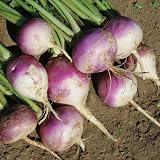
- Purple Top Turnip Seeds: Garden seed food plot cover crop seed suitable for wildlife and deer t purposes
- Fast Growing Harvest: Matures in approximately 55 days with white, tender and crisp flesh featuring a mild sweet flavor for deer and other wildlife
- Nutritious Forage Supply: Provides continuous supply of leaves with excellent vitamins, offering one of the most nutritious forage options for deer and turkey
- Root Characteristics: Produces large smooth white globular shaped roots measuring 3 to 4 inches across with distinctive purplish tops
- Flexible Planting Options: Can be planted in spring or fall, either alone using 5 lbs per acre or mixed with other grasses and legumes using 2 lbs per acre
What the historical figures can—and cannot—tell you
The 2020 report provides one detailed comparison, not a broad set of transactions or a present-day appraisal. It illustrates why seed-tender values can feel “squishy”: limited used supply, varying configurations, new-old-stock inventory and aggressive new pricing can make age alone a poor guide. It does not show what a used seed tender is worth in 2026.
Quick Recap
Best Value

- Drawbar Attachment is Great for Quick Hookup: Features a 1" diameter center hole quick hookup and disconnect. Common for use around the farm with wagons, hay wagons, seed tenders, farm implements, grain carts, water & anhydrous ammonia tanks. The drawbar attachment connects to the hitch eye or clevis with a pin. The pin passes through both pieces.
- Fits Shocker Receiver Hitches: Works with Shocker Air, HD, Streamline, Super Drop, Trail Force, Sport, Impact & XR series hitches. Fits a 3-3/4" ID wide Shocker bumper hitch channel.
- Drop Range Range Depending on Shocker Receiver Hitch Used With: 8 hole frame Air Receiver Hitches are 1/2" to 4-1/2" of drop. Super Drop is up to 8-1/2" drop. Trail Force is up to 6-1/2" of drop. Impact Series Hitch is 4" rise to 4" drop. XR Hitch with 8 holes is 4" rise to 4" drop. XR Hitch with 10 holes 6" of rise to 6" of drop.
- Heavy Duty with Up To 20,000 lbs GTW: With a 20,000 lbs gross trailer weight it can handle your heavy-duty needs. Drawbar does not have a tongue weight rating as it is not designed to be used with a hitch ball.
- Drawbar Features a 2 Pin Design: Shocker drawbar attachment are designed with a 2 pin hole design for adjustability, maximum strength & durability.
Rank #4

- A wholesome on the go snack or topping
- Keep cool and dry
- Raw and shelled
Product prices and availability are accurate as of the date/time indicated and are subject to change. Any price and availability information displayed on Amazon at the time of purchase will apply.




