
Do these 3 things before closing this tab:
1Scan for outdated or missing drivers - takes under a minute2Clear out junk files and repair common Windows errors3Fix the driver behind crashes, sound loss and screen glitchesGive children money as a chance to practice making choices—not as a guarantee of future financial success. A small amount can help a child decide whether to spend now or save toward something they want, while a separate account may suit money intended for education or longer-term saving. Match the lesson and the money arrangement to the child’s age, purpose, and growing independence.
Make money a safe place to practice decisions
Children learn about money through concrete choices: deciding what matters, waiting for a goal, and seeing what happens when they spend or save. Ask questions that connect money to decisions they recognize: “How can I spend wisely?” or “If you received a gift of $20, would you spend it or save it?” The point is not to steer every answer toward saving; it is to help the child think through the trade-off.

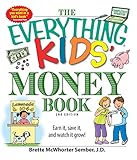


As an Amazon Associate I earn from qualifying purchases.
The Consumer Financial Protection Bureau (CFPB) and Federal Deposit Insurance Corporation (FDIC) offer activities and conversation prompts for caregivers. The CFPB says, “No need to be a money expert—the tips and activities here can help your children’s money skills, habits, and attitudes grow.” See CFPB Money as You Grow and the FDIC’s Learn Money Smart materials.
Quick wins for a faster PC:
Clear out junk files and repair common Windows errorsFree Scan →Fix the driver behind crashes, sound loss and screen glitchesFind Drivers →Repair Windows errors before they cause bigger problemsFix Now →Adjust the lesson to your child’s stage
Age is a useful guide, not a pass/fail standard. Children develop at different rates, so use age-banded activities as prompts and adapt them to what your child can understand and manage.
#1 Best Overall
Younger children
Keep choices visible and simple: spend a small amount now, or set some aside for a specific toy or activity. Talk aloud about everyday trade-offs and give the child time to wait for something they want. The CFPB identifies planning ahead, patience, and finishing what one starts as skills that support financial well-being; its Money milestones for young children page has related activities.
School-age children and preteens
A gift, allowance, or money from a job can become a planning exercise. Ask what the child wants, how much it costs, and how long saving might take. The CFPB’s materials for children ages 6–12 include allowance and jobs as possible income sources, along with activities for practicing money decisions.
Rank #2
Teenagers
As independence grows, add more responsibility: tracking spending, setting a savings goal, reading a bank statement, and discussing taxes and longer-term saving. The CFPB’s teen materials cover these concepts and can help structure conversations about accounts and financial choices.
PC Slower Than It Used to Be?
A free scan shows the junk files, broken settings and background clutter dragging Windows down - then fixes them in one click.Free scan · Windows 10 & 11Outdated Drivers Are Slowing You Down
One free scan finds every outdated or missing driver and matches the right update for your exact hardware.Free scan · exact hardware matchSet family rules that fit your household
There is no single allowance amount or percentage that these resources establish as right for every family. Decide what works for your budget and explain the boundaries clearly.
- Choose whether chores are paid, unpaid, or a mix, and explain what the payment represents.
- Clarify which everyday costs parents cover and which purchases the child is expected to manage.
- Agree on whether the child can spend freely, must save toward a goal, or needs to discuss certain purchases first.
- Revisit the arrangement as the child’s judgment and independence change.
Consistency makes the practice understandable; it does not require parents to pay for every household responsibility or let children make every decision alone.
Choose where to keep money by its purpose
Money for learning to manage day-to-day choices and money set aside for education or a longer horizon may call for different arrangements. These options differ in access, control, tax treatment, and risk; verify current details with the institution or plan before opening an account.
| Option | What it may be suited to | What to check |
|---|---|---|
| Cash or a youth savings account | Concrete practice setting money aside and working toward a near-term goal. FDIC describes youth accounts with adult involvement until the child reaches adulthood. | Who owns the funds and who can access them; minimums, fees, interest, and deposit-insurance status. Confirm terms with the institution. |
| 529 qualified tuition program | Education saving or prepaid tuition, subject to plan terms and federal tax rules. | Plan costs, investment choices, qualified uses, state tax treatment, beneficiary changes, and withdrawal consequences. Contributions may have gift-tax implications. |
| Trump Account | A distinct account type with eligibility, contribution, and withdrawal limits in current federal guidance; FDIC describes access as restricted before age 18. | Current enrollment and tax rules, eligibility, restrictions, fees, and investment details before deciding whether it fits. |
The FDIC’s Your Child’s Financial Building Blocks describes savings accounts, 529 plans, and Trump Accounts as different possibilities. No account is best for every child or family: compare purpose, control, access, time horizon, costs, investment risk, eligible uses, tax treatment, and state rules.
Understand the U.S. gift-tax rules before making large gifts
For 2026, the IRS lists an annual gift-tax exclusion of $19,000 per donee. This is a federal tax threshold, not a recommended gift amount. The tax result can depend on the donor’s other gifts to that person and the circumstances of the gift. Check the IRS estate and gift tax FAQs for the applicable year.
Contributions to a 529 plan can have gift-tax consequences if annual contributions and other gifts for one beneficiary exceed the applicable exclusion. IRS guidance also describes a five-year election for certain contributions. Review the IRS 529 plan questions and answers and the Form 709 instructions for the year of the gift and the donor’s full circumstances.
A direct payment of tuition to an eligible educational institution has a separate federal gift-tax rule. The payment must go directly to the institution and be for tuition; it is not the same as a 529 contribution, and the rule should not be extended to room, board, or books. The IRS discusses this distinction in its 529 plan questions and answers.
This is general, U.S.-focused information, not tax, legal, or investment advice. State law, citizenship or residency, account structure, ownership, and other gifts can affect the result.
Recommended Free Tools
Use trusted activities when you need a starting point
You do not need to invent a curriculum. The CFPB’s Money as You Grow pages and FDIC’s Money Smart materials provide age-aware activities and caregiver prompts. The FDIC notes, “You can positively shape your child’s financial development even if you are not an expert on financial concepts.” Try a prompt such as “Should I spend it or save it?” and let the child explain their reasoning before discussing alternatives.
Quick Recap
Product prices and availability are accurate as of the date/time indicated and are subject to change. Any price and availability information displayed on Amazon at the time of purchase will apply.




