Windows Errors? Fix Them Before They Spread
Repair common Windows errors and clear accumulated junk for a smoother, more stable PC - no reinstall needed.Free scan · no reinstallCrashes, No Sound, or Screen Glitches?
Random freezes, missing sound and display glitches usually trace back to one bad driver. Find and replace yours safely.Free scan · under a minuteChoose a bank account by matching it to what you need it to do, then compare current disclosures for fees, overdraft rules, access, deposit timing, eligibility, and deposit protection. A “free” label or a high advertised rate is not enough: the account’s waiver conditions and the way you use it determine whether it fits.
Start with the account’s job
Decide what you need the account to handle before comparing institutions. A checking account is generally for everyday activity such as receiving income, paying bills, using a debit card, writing checks, and accessing cash. A savings account is generally for money you want to set aside. The right choice depends on your intended use and the account’s features, not just its name.


Write down your non-negotiables. These might include cash deposits, nearby branches, a particular ATM network, recurring bill payments, checks, mobile access, or a place to hold savings. Compare each candidate against those needs.
Compare costs and the conditions behind them
Get the institution’s current account disclosures and fee schedule. Covered account disclosures must explain applicable fees and their conditions; the CFPB’s Regulation DD account-disclosure rule describes those requirements. The actual terms are institution-specific, so check the documents for the account you are considering.
#1 Best Overall

- Used Book in Good Condition
- Monthly maintenance: Find the fee, if any, and every way to waive it. Check whether a waiver requires a minimum balance, direct deposit, or another condition you can reliably meet.
- ATM use: Look for charges from your institution and possible charges from ATM operators, and confirm that the network works where you live and travel.
- Overdrafts and returned items: Review the fees and rules for overdrafts, insufficient funds, returned payments, and related transactions.
- Other services: Check charges for services you expect to use, such as checks, transfers, or particular deposits and withdrawals.
Use current disclosures for price comparisons. The CFPB’s 2016 lower-risk account guide is useful for identifying questions about fees and waivers, but its historical fee figures should not be treated as today’s typical prices.
Understand overdraft rules by transaction type
Do not assume that declining debit-card overdraft coverage prevents every overdraft fee. ATM withdrawals and one-time debit-card transactions are treated differently from checks and electronic payments. Ask the institution what can be paid when the account lacks enough money, and what fees or other costs could follow.
For ATM and one-time debit-card overdraft coverage, institutions generally need your affirmative opt-in before charging a fee for that coverage. The CFPB explains the distinction in Know your overdraft options; the applicable regulatory text is in Regulation E.
Compare the available choices before opening the account:
The Tool Desk
Outbyte Driver Updater FREEFix the driver behind crashes, sound loss and screen glitchesFind Drivers →Outbyte PC Repair FREEClear out junk files and repair common Windows errorsFree Scan →Rank #3
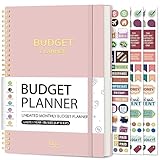
- Effective Budget Planning - Take control of your finances with the budget account book. This comprehensive planner allows you to plan and track your income, expenses, savings, and financial goals in one convenient place. With its intuitive layout and easy-to-use sections, you can stay organized and make informed decisions to achieve financial success.
- User-Friendly Layout - The budget planner features a user-friendly layout designed for easy navigation and organization. Each month, you'll find dedicated budget pages where you can set financial goals, track your income, and plan your expenses. Additional sections include debt trackers, savings goals, bill payment trackers, and more, making it simple to stay on top of your finances.
- Undated Monthly Calendar & Bonus Stickers - Featuring undated calendar each month, you'll have ample space to mark paydays, bills due, appointments, and important dates. Say goodbye to difficult writing spaces. Plus, we've included 3 cute sticker sheets that allow you to personalize your financial organizer and make budgeting more fun. Dates are not pre-printed and are completed by the user.
- Reliable and Convenient Design - Our monthly budget planner is designed for your convenience and built to last. The elastic band keeps everything securely in place, and the dual-sided pocket provides extra storage. Experience a budget planner that combines practicality and durability.
- Master Budgeting with Ease - Our financial planner includes a complete guidebook that provides valuable insights and instructions for optimal usage. From setting financial goals to tracking expenses, this guidebook offers step-by-step guidance and practical tips. Whether you're new to budgeting or an experienced user, this resource will help you make the most of your budget planner, empowering you to achieve financial success.
- Decline debit-card and ATM coverage: A transaction may be declined rather than paid into overdraft. This choice does not necessarily change how checks or electronic payments are handled.
- Link checking to savings: Available funds may be transferred to cover a shortfall, but a transfer fee may apply and the linked account must have enough money.
- Ask about a line of credit: Eligibility is not guaranteed, and borrowing can involve interest or other costs. Check the terms before relying on it.
Ask separately about debit-card purchases, ATM withdrawals, checks, and electronic payments. The CFPB’s guide to bank accounts and services also recommends considering overdraft exposure, linked funds, and the costs of the account.
Check access and deposit timing
Compare the access you will actually use: branch locations, ATM availability, online and mobile tools, bill payment, transfers, and check options. An account with a low fee may still be inconvenient if it does not support your everyday transactions or cash needs.
Ask when deposits become usable, especially if you rely on check deposits to pay bills. Banks and credit unions set their own availability rules within federal limits, and timing can differ by deposit type and account. Confirm the policy that applies to your deposits rather than assuming funds will be available immediately. The CFPB discusses checking and savings choices and account access in its bank accounts and services guidance.
Independent reader supportYour contribution helps us test, update, and keep practical guides available for everyone.Review minimums, eligibility, and alternatives
Check minimum opening deposits, ongoing balance requirements, and any other eligibility conditions. If a past account closure or unpaid negative balance may make it difficult to open a standard account, ask institutions whether they offer second-chance accounts. These may have reduced services or fees and are intended for people who have trouble qualifying because of banking history; features and approval policies vary.
Recommended Free Tools
Best Value

- EFFECTIVELY MANAGE YOUR MONEY - Our budget planner helps you take control of your finances by providing sections for financial goals, savings, debts, daily expenses, monthly budget, monthly budget review. This finance planner is a good finance book and will help you manage your money effectively.
- PREMIUM QUALITY - Our budget planner is made with high-quality 100gsm paper that reduces ink leakage, fraying, and shade issues. The sturdy and flexible cover,, helps protect the pages. The metal lay-flat twin-wire binding ensures durability and longevity.
- ORGANIZED MONTHLY GOALS & BUDGETS - Our 12-month budget planner helps you set monthly goals, budgets, reviews, and develop good monetary habits, strategies, and action plans. Write down monthly financial goals, put reminders of bills and payments on the calendar, plan your monthly budget in each category, track daily expenses, and review the monthly budget at the end of the month.
- FLEXIBLE USAGE - Our undated finance planner allows you to start at any time and place, making it convenient to use. It has a perfect size of 8.6x5.9 inches and fits in every bag, so it's always at hand.
- CREATE FINANCIAL FREEDOM - Our budget planner is your chance to develop monthly habits, monetary strategies, and action plans to start your journey to long-term financial freedom. It allows you to track monetary flow and review each area for improvements. With this 1-Years budget book, you can take the first step towards financial freedom.
The CFPB’s second-chance account guidance, last reviewed September 13, 2024, explains that institutions decide how banking history affects eligibility. The CFPB also notes that checking-account information may remain on a consumer report for up to seven years, depending on the reporting company; that is a maximum-period description, not a guarantee that every item stays for that long. If an application is denied, review the notice and the checking-account report involved so you can understand the reason and address any errors.
Verify deposit protection before opening
Confirm that the institution and the specific account are covered by the appropriate official deposit insurer, and check how the account’s ownership or title affects coverage. Do not assume that a financial app or nonbank service is itself an insured bank; verify which institution holds the deposits and what protection applies. Insurance rules and institution status are specific, so check directly with the official insurer rather than relying on a general claim.
A practical comparison sequence
- Define the job: List the payments, deposits, access, and savings needs the account must support.
- Collect current terms: Get each candidate’s account agreement, disclosures, and fee schedule. Note the monthly fee and the exact conditions for waiving it.
- Compare overdraft choices: Ask how debit-card, ATM, check, and electronic-payment overdrafts are handled, and record any opt-in, transfer, or credit costs.
- Check access and timing: Confirm branch and ATM availability where relevant, digital features, payment options, and when your usual deposits become available.
- Confirm eligibility: Check opening and ongoing minimums. If banking history may be a barrier, ask about second-chance accounts and review relevant checking-account reporting if denied.
- Verify protection and read the agreement: Check coverage with the official insurer and review the account agreement before opening.
When comparing actual accounts, put their current terms side by side using the same categories: costs, overdraft handling, access, deposit availability, eligibility, and protection. Choose the account whose terms work for your use—not the one with the most appealing headline.
Quick Recap
Product prices and availability are accurate as of the date/time indicated and are subject to change. Any price and availability information displayed on Amazon at the time of purchase will apply.




