The Tool Desk
Outbyte PC Repair FREEClear out junk files and repair common Windows errorsFree Scan →Outbyte Driver Updater FREEScan for outdated or missing drivers - takes under a minuteDriver Scan →Yes—if “make more money” means smartphone revenue. Counterpoint estimates put Apple at nearly 49% of global smartphone revenue in Q1 2026, compared with about 18% for Samsung and 5% for Xiaomi. But that does not establish that Apple earned more smartphone profit than the two rivals combined: the companies do not publish directly comparable handset-profit figures.
The fair comparison is Apple’s iPhone business against Samsung’s and Xiaomi’s smartphone businesses—not Apple against the two companies as a whole.
What the latest comparison actually measures
The headline is supported for estimated global smartphone revenue in Q1 2026. The shares reported from Counterpoint add up to roughly 23% for Samsung and Xiaomi together, against nearly 49% for Apple. That puts Apple’s estimated share at more than twice theirs combined. These are market-research estimates, not a single set of figures reported by the three companies in their financial statements. 9to5Mac’s account of Counterpoint’s Q1 2026 estimates describes the comparison.
| Measure | Apple | Samsung | Xiaomi | What it indicates |
|---|---|---|---|---|
| Global smartphone revenue share, Q1 2026 | Nearly 49% | About 18% | About 5% | Samsung and Xiaomi total about 23%; Apple’s share is more than twice that combined figure. |
| Global smartphone shipment share, Q2 2026 | About 20% | About 24% | About 12% | Samsung and Xiaomi together shipped a larger share of units than Apple. |
The revenue row is based on Counterpoint estimates reported by 9to5Mac. The shipment row is a separate quarter and measure, based on Counterpoint figures reported in 9to5Mac’s Q2 2026 coverage. Do not read the shipment percentages as revenue shares, or treat the two rows as a single-period comparison.
Do these 3 things before closing this tab:
1Fix the driver behind crashes, sound loss and screen glitches2Clear out junk files and repair common Windows errors3Scan for outdated or missing drivers - takes under a minute#1 Best Overall
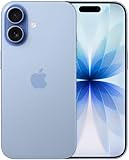
- This phone is unlocked and compatible with any carrier of choice on GSM and CDMA networks (e.g. AT&T, T-Mobile, Sprint, Verizon, US Cellular, Cricket, Metro, Tracfone, Mint Mobile, etc.).
- Please check with your carrier to verify compatibility.
- When you receive the phone, insert a SIM card from a compatible carrier. Then, turn it on, connect to Wi-Fi, and follow the on screen prompts to activate service.
- The device does not come with headphones or a SIM card. It does include a generic (Mfi certified) charger and charging cable.
- Tested for battery health and guaranteed to have a minimum battery capacity of 80%.
Revenue is not the same as profit
Revenue is the money a business records from sales before subtracting costs. Profit is what remains after some or all costs are deducted. The phrase “make more money” can therefore imply several different claims:
- Revenue: The Q1 2026 market-research estimates support the claim for smartphone sales.
- Gross profit: A comparison depends on estimated product costs and how analysts assign them to each phone business.
- Operating or net profit: Public filings do not provide a clean, equivalent comparison for iPhone, Samsung smartphones, and Xiaomi smartphones.
Apple reports iPhone sales, but not a standalone iPhone operating-profit or net-profit figure. Samsung Electronics’ Mobile eXperience segment includes smartphones as well as other products and activities; it is not a smartphone-only result. Xiaomi reports smartphone revenue as a business category, but its corporate results also include connected devices, internet services, and other activities. Comparing total company profits would answer a different question.
Rank #2
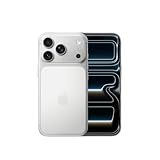
- This phone is unlocked and compatible with any carrier of choice on GSM and CDMA networks (e.g. AT&T, T-Mobile, Sprint, Verizon, US Cellular, Cricket, Metro, Tracfone, Mint Mobile, etc.).
- Please check with your carrier to verify compatibility.
- When you receive the phone, insert a SIM card from a compatible carrier. Then, turn it on, connect to Wi-Fi, and follow the on screen prompts to activate service.
- The device does not come with headphones or a SIM card. It does include a generic (Mfi certified) charger and charging cable.
Profit allocation is difficult even with segment data. Shared research and development, retail, software, silicon design, marketing, warranty, and supply-chain costs do not map neatly to one phone model or division. A profit-share estimate may be useful, but it should be labeled as an analyst estimate for its stated period—not as an audited fact established by these filings.
Why fewer phones can produce more revenue
Shipment share counts devices; revenue share reflects the value of the phones sold. Apple’s portfolio is concentrated in premium-priced phones, including higher-priced Pro models. Samsung and Xiaomi sell across more price tiers, including substantial midrange and lower-priced ranges. As a result, a company can sell fewer units and still record more phone revenue.
Quick wins for a faster PC:
Fix the driver behind crashes, sound loss and screen glitchesFind Drivers →Repair Windows errors before they cause bigger problemsFix Now →Rank #3

- This phone is unlocked and compatible with any carrier of choice on GSM and CDMA networks (e.g. AT&T, T-Mobile, Sprint, Verizon, US Cellular, Cricket, Metro, Tracfone, Mint Mobile, etc.).
- Please check with your carrier to verify compatibility.
- When you receive the phone, insert a SIM card from a compatible carrier. Then, turn it on, connect to Wi-Fi, and follow the on screen prompts to activate service.
- The device does not come with headphones or a SIM card. It does include a generic (Mfi certified) charger and charging cable.
- Tested for battery health and guaranteed to have a minimum battery capacity of 80%.
For illustration only: one business selling 10 phones at $1,000 each records $10,000 in revenue. Two other businesses selling 20 phones each at $300 record $12,000 combined. The illustration is not market data; it shows why unit totals alone do not settle a revenue comparison.
Shipment rankings make the distinction visible. For Q2 2026, the reported shares were about 24% for Samsung, 20% for Apple, and 12% for Xiaomi. In that quarter Samsung and Xiaomi together had greater shipment share, even though the Q1 revenue estimates showed Apple far ahead. The periods and measures differ, so this contrast explains the economics rather than providing a direct same-quarter reconciliation.
Rank #4

- This phone is unlocked and compatible with any carrier of choice on GSM and CDMA networks (e.g. AT&T, T-Mobile, Sprint, Verizon, US Cellular, Cricket, Metro, Tracfone, Mint Mobile, etc.).
- Please check with your carrier to verify compatibility.
- When you receive the phone, insert a SIM card from a compatible carrier. Then, turn it on, connect to Wi-Fi, and follow the on screen prompts to activate service.
- The device does not come with headphones or a SIM card. It does include a generic (Mfi certified) charger and charging cable.
- Tested for battery health and guaranteed to have a minimum battery capacity of 80%.
Other shipment data tell the same broad story without being interchangeable. Omdia reported Apple at about 25% of global shipments and Xiaomi at about 11% in Q4 2025. A separate 2025 shipment table put Apple at 242.8 million units (19.3%), Samsung at 240.3 million (19.1%), and Xiaomi at 165.4 million (13.2%). Those annual figures illustrate how close Apple and Samsung can be in units; they do not establish revenue or profit. Research firms can use different methods, so figures from different firms and periods should not be combined as if they were one dataset. Omdia’s Q4 2025 market report gives its quarterly ranking.
Independent reader supportYour contribution helps us test, update, and keep practical guides available for everyone.What Apple’s own financial statements confirm
Apple’s filings provide a company-reported view of iPhone net sales, separate from estimates of market-wide revenue share. In Apple’s fiscal year ended September 27, 2025, iPhone net sales were $209.586 billion, up from $201.183 billion in FY2024. In the September 2025 quarter, iPhone sales were $49.025 billion, compared with $46.222 billion in the year-earlier quarter. These are Apple fiscal-period figures, not calendar-year totals. Apple’s FY2025 consolidated financial statements report the sales figures; its FY2025 Form 10-K identifies the fiscal year ending date.
Best Value

- This phone is unlocked and compatible with any carrier of choice on GSM and CDMA networks (e.g. AT&T, T-Mobile, Sprint, Verizon, US Cellular, Cricket, Metro, Tracfone, Mint Mobile, etc.).
- Please check with your carrier to verify compatibility.
- When you receive the phone, insert a SIM card from a compatible carrier. Then, turn it on, connect to Wi-Fi, and follow the on screen prompts to activate service.
- The device does not come with headphones or a SIM card. It does include a generic (Mfi certified) charger and charging cable.
In Apple’s second quarter of FY2026, iPhone sales were $56.994 billion; for the first six months of that fiscal year, they were $142.263 billion. The quarter and half-year figures follow Apple’s fiscal calendar and should not be treated as calendar-quarter or calendar-year comparisons with another company. Apple’s FY2026 second-quarter financial statements contain those amounts.
What helps sustain Apple’s revenue share
Premium pricing and product mix
Apple’s relatively focused iPhone range puts substantial weight on premium devices. Higher selling prices mean each premium phone contributes more revenue than a lower-priced phone, even before considering differences in unit volume. The Q1 2026 revenue-share figures show the outcome, but they do not disclose the average price or margins of every brand’s phones.
Brand demand and channel reach
Apple sells through its own stores and online channels as well as carriers and other retailers. A strong brand and demand for higher-end models can support pricing across the lineup. The available market-share figures establish revenue concentration, not how much of it is caused by any single sales channel, product, or customer behavior.
An ecosystem beyond the handset
iPhones connect to Apple services, accessories, wearables, trade-ins, and financing offers. That ecosystem can encourage customer retention and support demand for the handset. Services revenue, however, is not iPhone revenue, and the companies’ public figures cited here do not quantify how much the ecosystem adds to iPhone profit.
What’s actually slowing this PC down?
Pick the symptom - the matching free tool is one click away.
Scale and supply chain
Apple’s scale can strengthen its purchasing position, but the company does not publish a complete, standalone unit-cost breakdown for iPhone. Samsung also sells components such as displays and semiconductors, including to other device makers; those sales belong to a different business comparison from Samsung’s own smartphone revenue.
Quick Recap
How to read the claim without overstating it
- Supported: Apple’s iPhone business had a larger estimated share of global smartphone revenue than Samsung and Xiaomi combined in Q1 2026.
- Not established by that comparison: That Apple earned more handset profit than Samsung and Xiaomi combined in that quarter.
- Not what the figures mean: Apple had nearly 49% of phones shipped, or that Samsung and Xiaomi together generated less revenue across all their businesses than Apple did.
- Keep the scope consistent: Compare iPhone with the rivals’ smartphone businesses. Apple’s iPhone is one product category; Samsung Electronics and Xiaomi Corporation each include businesses beyond phones.
Product prices and availability are accurate as of the date/time indicated and are subject to change. Any price and availability information displayed on Amazon at the time of purchase will apply.




