Free tools Windows power users keep installed
One-click scans. No signup required.
Pope Leo XIV did not announce a ban on AI-generated art. In a Vatican address on 2 October 2026, he argued that human art and machine-generated images are fundamentally different, and said distinguishing them had become urgent. His remarks criticize AI’s place in culture, not technology as a whole.
What Pope Leo XIV said about AI art
Leo spoke to artists and curators gathered in the Hall of the Consistory for “L’arte della possibilità: tessere insieme,” a meeting promoted by the Dicastery for Culture and Education. He thanked artists for collaborating with the Holy See, including through projects connected with the Venice Biennale and contemporary art initiatives. He described art as a way to make human questions, wounds, aspirations and the search for meaning perceptible. The Vatican’s Italian account of the address records his call for the Church to renew its alliance with artists and cultural institutions to safeguard humanity.
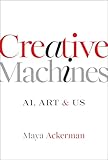


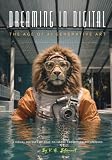

In the address, Leo said: «In modo particolare in quest’era dell’intelligenza artificiale, nella quale diventa urgente distinguere l’arte umana da ciò che viene prodotto dalle macchine. C’è una differenza ontologica, prima ancora che estetica, tra l’arte e ciò che una macchina può generare per calcolo statistico a partire da milioni di immagini altrui. Agli algoritmi manca la scintilla dell’umano.»
TechCrunch renders the central passage in English as: “In this era of artificial intelligence, it is becoming urgent to distinguish human art from what machines produce.” It translates the closing thought as “Algorithms lack the spark of humanity.” These are reported translations, not an official English transcript. TechCrunch’s report also renders Leo’s point that there is an “ontological” difference—one of being or nature—before an aesthetic difference.
#1 Best Overall
What he meant by an “ontological” difference
Leo’s distinction is not simply that people make better-looking pictures. He contrasted human artistic creation with machine output produced through statistical calculation from images made by others. On his account, a work’s human origin and purpose matter in themselves, before anyone judges its appearance.
That framing treats art as more than an image’s visual result: it can carry a person’s experience, intention and search for meaning. A machine may generate an image, but Leo argued that this process does not contain the human “spark” he associates with art. The phrase is his characterization of a difference between human creativity and algorithmic generation, not a technical claim about how every AI system works.
Did the Pope ban AI art?
No ban appears in the address, and the remarks do not establish a formal Church rule forbidding AI-generated art or the use of AI tools. Leo made an argument about human creativity and culture and urged the Church to work with artists to safeguard the human dimension of art. That is a pointed critique, but it is not the same as a prohibition.
His wider teaching also argues against reading the address as a rejection of AI across the board. In Magnifica Humanitas, dated 15 May 2026, Leo calls for prudence, rigorous evaluation and, at times, a slower pace in adopting AI. The encyclical says this is not opposition to progress, but responsible care for the human family. It calls for robust legal frameworks, independent oversight, informed users and accountability throughout AI development and use.
At a May 2026 audience, he likewise said digital technology and AI should serve humanity and encouraged education in AI literacy and critical thinking, according to Vatican News. These broader comments place his art remarks within a call for responsible use, rather than a blanket rejection of technology.
Independent reader supportYour contribution helps us test, update, and keep practical guides available for everyone.Why the remarks extend beyond images
The address links the question of AI-generated art to a wider concern: how technology represents people and what cultural practices preserve human dignity. In a separate interview reported by Vatican News on 18 September 2025, Leo said he would not authorize a proposed “artificial Pope” avatar, adding that the Pope should be high on the list of people who should not be represented by an avatar. That report concerns representation, not a rule about art, but illustrates a related wariness about substituting AI-mediated portrayals for real people.
Quick Recap
What to take from the statement
- Leo spoke to artists and curators at the Vatican on 2 October 2026.
- He said it had become urgent to distinguish human art from machine-generated output, describing the difference as ontological as well as aesthetic.
- His “human spark” language is a translated rendering of an Italian address, not an official English transcript.
- He did not announce a ban on AI art; his broader AI teaching calls for careful evaluation, oversight and service to humanity.
Product prices and availability are accurate as of the date/time indicated and are subject to change. Any price and availability information displayed on Amazon at the time of purchase will apply.




