Micron said on December 17, 2025, that tight supply-demand conditions in its memory markets could persist beyond calendar 2026. The company was describing a prolonged risk of constrained DRAM and NAND supply—not a guarantee that consumer RAM or SSDs will disappear worldwide.
For households, the practical implications are possible price volatility, fewer discounts and less predictable availability. Whether to buy now depends on your hardware’s compatibility and need, not on panic over a universal shortage.
| # | Preview | Product | Price | |
|---|---|---|---|---|
| 1 |

|
Corsair Vengeance RGB RS DDR5 16GB (2 x 8GB) Up to 6000MHz AMD Intel RAM | $285.99 | Buy on Amazon |
| 2 |
|
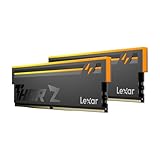
Lexar Thor Z RGB DDR5 RAM 32GB Kit (2x16GB) 6000MHz CL38 DRAM 288-Pin UDIMM | $479.99 | Buy on Amazon |
What Micron actually forecast
During its fiscal first-quarter 2026 earnings call on December 17, 2025, Micron said strong demand and supply constraints were creating tight market conditions expected to persist beyond calendar 2026. Its prepared remarks also said supply could remain substantially short of demand for the foreseeable future. The statement covered the company’s memory markets, including DRAM and NAND.
This is management guidance and a forward-looking statement, not a government-certified shortage declaration. Micron’s earnings-call materials warn that actual results can differ materially from forward-looking expectations. Read the company’s prepared remarks at Micron’s fiscal Q1 2026 filing and the earnings-call page.
Do these 3 things before closing this tab:
1Fix the driver behind crashes, sound loss and screen glitches2Repair Windows errors before they cause bigger problems3Scan for outdated or missing drivers - takes under a minute#1 Best Overall
- Disclaimer: Maximum Speed requires overclocking/PC BIOS adjustments. Maximum speed and performance depend on system components, including motherboard and CPU
- AMD EXPO & Intel XMP 3.0 Compatible Only: Dual memory profiles allow you to easily select optimized settings for your platform, whether you’re running an AMD or Intel processor
- Dynamic RGB Lighting: Individually addressable RGB lighting delivers vibrant effects through a sleek, understated panoramic diffuser
- Onboard Voltage Regulation: Onboard voltage regulation for reliable power at high frequencies
- Maximum Bandwidth and Tight Response Times: Optimized for peak performance on the latest AMD and Intel DDR5 motherboards
Micron reiterated the outlook on March 18, 2026, saying DRAM and NAND conditions should remain tight beyond 2026 and that 2026 industry bit demand would be constrained by supply (fiscal Q2 2026 prepared remarks).
“Memory” includes more than desktop RAM
| Type | What it does | Where pressure is most visible |
|---|---|---|
| DRAM | Temporary working memory for computers, phones, servers and graphics systems | Server systems, PCs and mobile devices competing for wafer capacity |
| HBM | High-bandwidth DRAM placed close to AI accelerators | AI servers and advanced packaging |
| NAND flash | Nonvolatile storage for SSDs, phones and enterprise systems | Enterprise SSDs and high-capacity storage |
| NOR flash | A separate flash category commonly used for firmware and embedded devices | Different products and supply dynamics from DRAM and NAND |
Thus, a tight market does not mean every DDR5 desktop kit will be unavailable. Products compete indirectly for wafers, advanced process capacity, packaging, testing and supplier attention. High-value AI and data-center products can receive priority even while retail modules remain purchasable.
Why AI is tightening memory supply
AI infrastructure needs large pools of fast memory close to accelerators, which drives demand for HBM and advanced packaging. A data center also needs conventional server DRAM, enterprise SSDs, networking equipment and storage arrays. Those requirements spread the pressure beyond HBM alone.
- Cloud providers are seeking predictable, sometimes longer-term access to components.
- Suppliers have an economic incentive to allocate scarce capacity to products with stronger margins and strategic value.
- Growing models and workloads increase both memory bandwidth and total capacity requirements.
- Process transitions and packaging bottlenecks can limit output even when wafer starts rise.
Micron’s later fiscal Q3 2026 materials describe AI-driven changes in product mix and manufacturing. They say its 1-gamma DRAM and G9 NAND nodes were ramping, while next-generation DRAM and NAND nodes were not expected to enter volume production until the second half of calendar 2027 (fiscal Q3 2026 prepared remarks).
What’s actually slowing this PC down?
Pick the symptom - the matching free tool is one click away.
Why new fabs cannot provide immediate relief
A fab announcement is not the same as retail supply. Construction, equipment installation, process qualification and yield improvement take years. HBM also requires specialized production and packaging, so adding ordinary DRAM capacity does not automatically remove an HBM constraint.
Micron’s Idaho expansion page says the first Idaho fab is scheduled to begin DRAM output in 2027 (Idaho expansion timeline). In a July 9, 2026 update, Micron projected first-wafer output in mid-2027 for the first Idaho fab and late 2028 for the second; the New York project is a longer-term expansion (July 2026 investment update).
These milestones add future capacity, but they do not specify when prices will normalize or when supply will exceed demand. Suppliers also avoid building too aggressively because memory markets are cyclical: excess capacity can trigger sharp price declines. Productivity gains and new nodes may simply be absorbed by faster demand growth.
What consumers may notice
- DRAM modules and SSDs may show higher or more volatile prices and fewer promotions.
- Price gaps may widen between capacities, generations and interfaces.
- Older or low-volume configurations can become harder to source even when newer products are available.
- PC, phone and other device makers may alter configurations, delay launches or pass higher component costs to buyers.
- Enterprise and data-center customers with allocation agreements may receive priority over retail channels.
None of these outcomes is inevitable for every laptop, phone or gaming PC. Supplier contracts, inventories, currency, retailer competition and product mix determine what a particular buyer sees.
Recommended Free Tools
Rank #2
- Unleash Next-Gen Dominance: Experience Lexar DDR5 RAM performance with the Lexar THOR Z Series RGB DDR5 RAM 32GB Kit (2x16GB). Clocking at a blistering 6000MHz with low CL38 latency, this DDR5 desktop memory delivers up to 6000 MT/s for a full-throttle advantage. Whether you're building a high-end gaming rig or a professional workstation, this Lexar 32GB RAM kit ensures your system keeps pace with next-gen titles
- Sleek & Robust Thermal Design: Engineered for both aesthetics and endurance, this Lexar DDR5 RAM 6000MHz features an all-new streamlined design. The solid, sandblasted aluminum heatsink fuses a minimalist, razor-sharp aesthetic with uncompromising thermal control. This Lexar THOR Z Series armor ensures your DDR5 memory stays cool under pressure, delivering sustained peak performance during intense gaming sessions
- Game in Style with Brighter RGB Lighting: Elevate your build's aesthetics with the enhanced customizable RGB lighting on this Lexar RGB DDR5 RAM. Brighter and more vibrant than previous generations, the Lexar THOR Z Series RGB DDR5 RAM allows you to synchronize lighting effects with your components, creating a truly immersive gaming atmosphere that stands out from the crowd
- On-die ECC & PMIC for Rock-Solid Stability: Go beyond speed with reliability. This Lexar DDR5 RAM kit integrates On-die Error Correction Code (ECC) to automatically correct data errors, vastly improving stability and reliability for your critical tasks. The onboard Power Management Integrated Circuit (PMIC) ensures efficient power delivery, boosting the overall power efficiency of your DDR5 desktop memory for a longer-lasting, more stable system
- Seamless Compatibility with Intel & AMD: Worry-free upgrade guaranteed. The Lexar THOR Z Series DDR5 RAM is built for broad compatibility with the latest platforms. It fully supports Intel XMP 3.0 and AMD EXPO one-click overclocking, making it effortless to achieve the rated speeds. Trust Lexar DDR5 RAM to deliver seamless performance with mainstream DDR5 motherboards
Should you buy RAM or an SSD now?
Buy now when the upgrade is necessary
Buying sooner can be sensible if your system is already constrained, the upgrade is compatible and the current price fits your budget. The same applies to a business deployment with a fixed deadline or a part that has a long qualification cycle.
Wait when the purchase is optional
If the upgrade is discretionary and your computer performs adequately, waiting avoids locking in a price during a volatile market. Micron’s forecast alone is not a reason to stockpile components.
Check compatibility before ordering
- For RAM, verify DDR4 versus DDR5, DIMM versus SO-DIMM, supported capacity, speed, voltage, rank configuration and ECC versus non-ECC requirements.
- For SSDs, verify SATA versus NVMe, PCIe generation, physical form factor, thermal needs, endurance rating, warranty and firmware support.
- Confirm that “available” means in-stock inventory rather than a conditional allocation or uncommitted lead time.
A cheaper module or drive that does not match the platform can cost more than a correctly specified part.
What Micron’s Crucial exit means
On December 3, 2025, Micron announced that it would exit the Crucial consumer business. Consumer-channel shipments were planned through the end of fiscal Q2, February 2026, while warranty service and support continued (Crucial announcement).
Micron cited AI-driven data-center demand and a decision to concentrate on larger strategic customers and faster-growing segments. The move is evidence of a commercial shift, but it does not mean Micron stopped making all consumer-grade memory or left DRAM and NAND manufacturing. Other manufacturers and module vendors remain available to consumers.
Who is most exposed?
- AI data-center operators and accelerator platforms: They depend on HBM, server DRAM, packaging and large storage deployments.
- Enterprise server and storage buyers: Allocation, qualification and lead-time risks can affect deployment schedules.
- PC and smartphone manufacturers without secure supply contracts: Component costs and configurations may be harder to control.
- Retail buyers of popular, high-capacity or newest-generation modules: These products can have less flexible supply.
- Buyers of older or niche configurations: Lower volumes can make exact replacements difficult to find.
This ranking is an analytical guide, not a Micron-published forecast.
What could change the outlook?
Factors that could ease pressure
- Faster fab, node or packaging ramps and better yields.
- Slower AI infrastructure spending or more memory-efficient models and hardware.
- Weaker PC, smartphone or other electronics demand.
- Additional output from Micron, Samsung, SK hynix and other suppliers.
Factors that could worsen it
- Continued acceleration in AI server deployments.
- Construction, equipment or packaging delays.
- Strong simultaneous demand from PCs, phones, automotive and networking.
- Yield problems during new-node transitions.
- Export controls, trade restrictions, power limits or customers building precautionary inventories.
These are scenarios, not guaranteed forecasts. The key distinction is between capacity growth and relief: manufacturers can produce more bits while demand still grows faster.
The timeline in one view
| Date | What Micron said or announced |
|---|---|
| December 17, 2025 | Tight conditions expected to persist beyond calendar 2026. |
| March 18, 2026 | DRAM and NAND tightness beyond 2026 reiterated; 2026 bit demand described as supply-constrained. |
| 2026 | Existing ramps and productivity gains operate while demand remains strong. |
| Second half of 2027 | Next-generation DRAM and NAND nodes expected to begin volume production. |
| Mid-2027 and late 2028 | Projected first-wafer output for Micron’s first and second Idaho fabs, respectively. |
The Bottom Line
Micron’s warning is best read as a credible risk of prolonged, product-specific tightness—not a prediction that RAM and SSDs will vanish after 2026. Buy a compatible part when you have a real need or deadline; otherwise, monitor availability rather than panic-buying.
Crashes, No Sound, or Screen Glitches?
Random freezes, missing sound and display glitches usually trace back to one bad driver. Find and replace yours safely.Free scan · under a minuteWindows Errors? Fix Them Before They Spread
Repair common Windows errors and clear accumulated junk for a smoother, more stable PC - no reinstall needed.Free scan · no reinstallQuick Recap
Product prices and availability are accurate as of the date/time indicated and are subject to change. Any price and availability information displayed on Amazon at the time of purchase will apply.




