Windows Errors? Fix Them Before They Spread
Repair common Windows errors and clear accumulated junk for a smoother, more stable PC - no reinstall needed.Free scan · no reinstallOutdated Drivers Are Slowing You Down
One free scan finds every outdated or missing driver and matches the right update for your exact hardware.Free scan · exact hardware matchAuto, life, and homeowners insurance protect against different financial risks: auto policies can cover liability and damage to your car, life policies pay beneficiaries after the insured dies, and homeowners policies can cover property damage, liability, and extra living costs after a covered loss. The exact protection depends on the policy, its limits and exclusions, and sometimes state law or lender requirements. Compare the actual terms—not just the coverage label or price.
At a glance: how the coverage types differ
| Insurance type | Common protections | Key terms to compare |
|---|---|---|
| Auto | Liability for harm caused to others; optional protection for damage to your car; some policies also include medical or uninsured-driver coverage. | Liability limits, uninsured/underinsured motorist coverage, medical payments or PIP, collision and comprehensive deductibles, state rules, and lender requirements. |
| Life | A death benefit paid to named beneficiaries according to the policy contract. | Term length, premium schedule, renewal or conversion provisions, cash value assumptions and guarantees, fees, and beneficiary designations. |
| Homeowners | May cover the home, other structures, belongings, additional living expenses, personal liability, and medical payments to others. | Rebuilding limit, property limits, covered causes of loss, exclusions, deductibles, liability limit, and loss-of-use limit. |
Auto insurance: liability and protection for your car
Auto policies can include several distinct coverages. Bodily injury and property damage liability generally address injury or property damage you cause to others when you are legally responsible. Collision generally covers damage to your car from a collision; comprehensive generally covers specified non-collision causes such as theft, fire, weather, vandalism, or animal impact. Coverage and rules vary by state and contract.


Uninsured or underinsured motorist coverage may help when an at-fault driver has no insurance or insufficient insurance. Medical payments coverage or personal injury protection (PIP) may help pay medical costs, and PIP may cover other losses as defined by the policy and state law. These protections are not interchangeable; check the contract and your state’s requirements.
Collision and comprehensive may be optional under state law, but a lender or lessor may require them while a vehicle is financed or leased. Both commonly have deductibles. Rental reimbursement and roadside assistance may be available as optional coverages. Do not assume that a policy covers every driver, vehicle use, or loss.
Recommended Free Tools
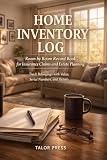
#1 Best Overall

- Made in the USA: Proudly produced in Ohio by a veteran-owned business; commitment to quality and American craftsmanship
- This book is a great way to track your home inventory, warranties, repairs, etc
- There are spaces to track individual item information, property details like insurance, financing, HOA, vehicles, and more
- Wire-0, 100 Pages, 8.5" x 11"
- LOG-100-7CW-PP(Home-Inventory)
Life insurance: term and cash value policies
Life insurance is designed to pay named beneficiaries if the insured dies while the policy provides coverage, subject to its terms. Term life covers a specified period and is generally used for a time-limited need. Cash value policies can remain in force longer and have savings or investment features; whole life, universal life, and variable life are examples, with different costs, flexibility, guarantees, and investment-related risks.
Compare the premium schedule, duration, renewal and conversion provisions, and what values are guaranteed or nonguaranteed. For cash value policies, review fees, assumptions, and how loans or withdrawals can affect the policy. Do not assume a term policy can always be renewed or converted; check the contract, including any age limits.
To assess how much coverage may fit, consider who depends on your income, how long that need may last, household debts and resources, and what premiums are affordable. Review beneficiary designations and update them when circumstances change.
Homeowners insurance: property, liability, and living costs
A homeowners policy commonly combines several protections, subject to covered causes of loss, limits, exclusions, and deductibles. Dwelling coverage concerns the home and attached structures; other-structures coverage may apply to detached structures such as a garage or fence. Personal property coverage concerns belongings. Loss-of-use or additional-living-expense coverage may help with increased living costs if a covered loss makes the home uninhabitable. Personal liability and medical-payments coverage may also be included.
Consider the dwelling limit against the cost to rebuild, not the home’s market value. Review how personal property is valued, including whether settlement is on a replacement-cost or actual-cash-value basis, and check limits for particular items. Flood and earthquake damage may require separate policies or additional coverage; do not assume a standard homeowners policy covers them. Read the policy’s covered-peril language and exclusions.
How to compare policies
- Identify the risk you need covered and who or what the policy is intended to protect.
- Compare limits, deductibles, covered causes of loss, and exclusions. For life insurance, also compare duration, premiums, renewal or conversion terms, and guaranteed versus nonguaranteed values.
- For auto insurance, check state requirements and whether a lender or lessor requires collision or comprehensive coverage. For homeowners insurance, assess rebuilding costs and any separate flood or earthquake needs.
- When comparing quotes, hold coverage limits and deductibles constant so the price comparison reflects similar protection.
- Read the policy and ask the insurer or your state insurance department about unclear terms or state-specific rules.
A lower premium may mean different limits, deductibles, or exclusions rather than a better deal. The policy contract determines what applies in a particular claim.
Independent reader supportYour contribution helps us test, update, and keep practical guides available for everyone.FAQ
What does auto insurance cover?
Depending on the policy, it may cover liability for harm you cause to others, damage to your own car from collision or specified non-collision causes, and certain medical or uninsured-driver losses. Check your policy and state requirements for the coverages and limits that apply.
What type of life insurance is right for you?
It depends on the duration and size of the financial need, what premiums you can afford, and whether cash value features are appropriate for you. Compare term and cash value policies’ costs, duration, guarantees, and terms rather than choosing by label alone.
Do these 3 things before closing this tab:
1Scan for outdated or missing drivers - takes under a minute2Repair Windows errors before they cause bigger problems3Fix the driver behind crashes, sound loss and screen glitchesHow much life insurance do I need?
Consider who depends on your income, how long they may need support, household obligations and resources, and what coverage you can afford. A needs assessment can help you compare an appropriate death benefit with your circumstances.
What are the types of coverage in a homeowners policy?
Common parts include dwelling, other structures, personal property, loss of use or additional living expenses, personal liability, and medical payments. The policy contract sets covered causes of loss, limits, exclusions, and deductibles; flood or earthquake protection may require separate or additional coverage.
Quick Recap
Product prices and availability are accurate as of the date/time indicated and are subject to change. Any price and availability information displayed on Amazon at the time of purchase will apply.




