
Recommended Free Tools
A useful rental-property emergency plan is a property-specific playbook: it tells every resident what to do, where to go, whom to call, and how to reconnect when normal services fail. It should cover the building’s address and hazards, evacuation and shelter actions, fire equipment and exits, emergency contacts, household needs, damage reporting, and a schedule for practice and updates. Local code, building design, and emergency-management instructions determine the details; a generic checklist cannot substitute for them.
What an emergency plan must answer
Write the plan so a tenant can use it under stress, without searching a lease or guessing which instructions apply. Put the following questions in plain language near the front:
As an Amazon Associate I earn from qualifying purchases.
- What is the complete street address, unit number, building name, and entrance information an emergency dispatcher needs?
- How will residents receive official alerts and warnings?
- For each likely hazard, should they evacuate, shelter in place, or move to a designated safer location?
- What are the primary and alternate exits, and where is the outdoor meeting place?
- Where are smoke alarms, carbon-monoxide alarms, fire doors, extinguishers, utility shutoffs, and approved shelter areas?
- Who handles a life-threatening emergency, an urgent building problem, and an after-hours maintenance call?
- How will household members communicate if they are separated?
- How should residents report damage and find instructions about access, repairs, or temporary relocation?
Ready.gov’s household framework covers alerts, shelter, evacuation, communication, and kit updates. Use it as a structure, then replace general advice with the property’s verified routes and contacts: Ready.gov, “Make A Plan”.
What’s actually slowing this PC down?
Pick the symptom - the matching free tool is one click away.
Start with the property, contacts, and reporting rules
Identify the location precisely
List the legal street address, building and unit numbers, entrance or gate details, floor, and any information that helps responders find the correct door. Add a simple site map showing the building, driveways, adjacent streets, and the assembly area. If a property has several structures, label each one separately rather than relying on a single map.
#1 Best Overall
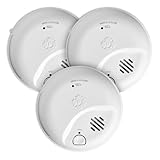
- First Alert's Precision Detection advanced sensing technology complies with new industry standards to reduce cooking nuisance alarms and provides early warning in the event of a home fire emergency
- Provides reliable 2-in-1 protection against both smoke and carbon monoxide
- End-of-life warning lets you know when it’s time to replace the alarm
- Battery-operated alarm allows for easy installation and maintenance
- Test/silence button for efficient testing to ensure alarm is working properly
Create a contact ladder
Separate contacts by the action a resident needs to take:
| Situation | First contact | Plan detail to publish |
|---|---|---|
| Immediate danger, injury, fire, or suspected gas leak | Local emergency services | State that life safety comes first and include the full address. |
| Unsafe building, major water intrusion, structural damage, or loss of essential service | Property manager/owner or after-hours maintenance | Give a staffed number, hours, and a backup method if calls fail. |
| Power, water, gas, or other utility outage | Relevant utility or outage-reporting channel | List the provider and explain which problems must still be reported to emergency services. |
| Official warnings and evacuation orders | Local emergency-management alert source | Give the enrollment method, website or app name, and a non-phone way to check updates. |
Explain how to report a fire, gas smell, flooding, suspected structural failure, outage, or other urgent condition. A resident should not delay an emergency-services call while trying to reach management. Include a backup contact method—such as text, email, or a posted notice location—because cellular calls may be unavailable.
Make the plan findable
Give each tenant a digital copy and a printed copy that remains readable if the internet is down. Post a concise version in common areas where permitted, and place the complete version with the lease or move-in materials. Keep a copy accessible outside the unit in case residents cannot re-enter.
Rank #2

- First Alert's Precision Detection advanced sensing technology complies with new industry standards to reduce cooking nuisance alarms and provides early warning in the event of a home fire emergency
- Provides reliable 2-in-1 protection against both smoke and carbon monoxide
- End-of-life warning lets you know when it’s time to replace the alarm
- Battery-operated alarm allows for easy installation and maintenance
- Test/silence button for efficient testing to ensure alarm is working properly
Match actions to the hazards at this property
Do not list every disaster imaginable. Ask local emergency management which hazards apply to the address, then state the action and the authority that will issue the “safe to leave” or evacuation message. Ready.gov’s hazard resources include fire, flood, power outage, extreme heat, storms, and wildfire: Ready.gov, “Disasters and Emergencies”.
| Hazard or condition | Action the plan should specify | Property detail to verify |
|---|---|---|
| Fire or smoke | Leave by the safest available route, close doors as directed, and meet outside; do not re-enter. | Room exits, stairways, alarm locations, fire doors, meeting place, and responder access. |
| Flood or rising water | Evacuate to the locally designated higher or safer location if ordered; otherwise identify where sheltering is permitted. | Flood-prone areas, route closures, utility shutoff authority, and official warning source. |
| Severe storm or wildfire | Follow the official evacuation order or move to the designated interior shelter area when instructed. | Primary and alternate routes, road restrictions, shelter room, and alert sign-up. |
| Extreme heat or power outage | Use the designated cooling or backup location and report urgent medical risks. | Backup power limits, cooling sites, elevator status, and outage-reporting procedure. |
| Gas odor, chemical release, or structural concern | Leave or shelter exactly as emergency officials direct; avoid switches or areas identified as unsafe. | Who may shut off utilities, exclusion zones, and the authority for re-entry. |
For evacuation, show an alternate route when one is known, identify a meeting point outside the immediate hazard, and tell residents how occupants will be counted without anyone going back inside. For sheltering, name the room or area and the official channel that signals when it is safe to leave. Never promise a particular shelter, route, or re-entry time until local authorities and the manager have verified it.
Build a fire-escape plan residents can use in seconds
Map two ways out where possible
Post an easy-to-read floor plan with unit doors, windows, corridors, stairs, fire doors, alarm locations, extinguishers, and the outdoor meeting place. For each room, mark two exits when the layout permits. Keep corridors, stairs, windows, and exterior doors unobstructed; tell residents how to open any exit door or window that forms part of the route.
Rank #3

- Please Note: The SC07 is a basic standalone unit. It does not support wireless interconnection, Wi-Fi, or base station connection; for wireless interconnection, search for SC07-W
- 10-Year Protection, Zero Maintenance: A built-in sealed lithium battery powers the alarm for a full decade—no battery replacements, no late-night low-battery chirps, and no ladder climbing
- Photoelectric Smoke Sensor and Electrochemical CO Sensor: Responds faster to slow-smoldering fires, helps reduce cooking-related false alarms, and reliably detects dangerous carbon monoxide
- Simple Installation: No rewiring required; easily mount this smoke and carbon monoxide alarm on a wall or ceiling using the included mounting bracket, screws, and anchor plugs
- Meets UL 217 & UL 2034 Safety Standards: Independently tested and certified to meet UL 217 and UL 2034 standards for smoke and carbon monoxide detection; clear certification markings help support safety checks and code-compliant installation
Use stairs in a high-rise
High-rise residents should know the designated exit stairs and should not use a lift during a fire unless fire officials direct it. USFA’s instruction for a resident evacuating a fire is exact: “Leave your apartment. Close the door behind you.” Source: USFA, “Home Fire Escape Plans”.
Verify alarms and extinguishers
Tell residents where working smoke alarms and carbon-monoxide alarms are located and how to report a missing, chirping, or faulty device. USFA’s vacation-rental guidance calls for knowing working smoke-alarm locations and working carbon-monoxide alarms on every level, while noting that the applicable requirement depends on the building and jurisdiction: USFA, “Hotel and Vacation Rental Fire Safety”. Identify extinguisher locations and provide only property-approved use instructions; evacuation remains the priority.
USFA’s 2025 page review warns that residents may have less than two minutes to escape after a smoke alarm sounds. That is an attributed safety message, not a guaranteed time for every fire. The same USFA page provides the escape-plan guidance above. Hotel and motel fire estimates cited by USFA are about 3,900 fires, 15 deaths, 100 injuries, and $100 million in property losses; the source does not state a year, and these figures are not estimates for rental housing generally.
Rank #4

- 2-in-1 DETECTION: Model 30CUDR detects both smoke and carbon monoxide and features advanced sensing technology with over 25% faster smoke detection*; sounds a loud 85-decibel alarm with red LED light for clear visual warnings; suitable for homes
- AA BATTERY OPERATION & WARRANTY: Powered by two AA batteries (included) for easy, no-wiring setup . Backed by 10-year limited warranty** that starts from date of purchase
- REDUCED FALSE ALARMS: Uses advanced sensing technology that helps distinguish between real smoke and everyday cooking or steam; helps reduce false alarms while maintaining quick, accurate detection when smoke is present
- TESTED FOR RELIABILITY & COMPLIANCE: Rigorously tested to meet UL 217 10th Edition, UL 2034 5th Edition, and FCC standards for performance and safety; enhanced sensing technology helps reduce false alarms from everyday cooking or steam
- BUILT FOR HOMEOWNERS AND PROFESSIONALS: Designed for those who prioritize dependable, code-compliant detection; supports safety goals for homeowners, property managers, contractors, and professionals seeking long-term home safety assurance
Plan communication, reunification, and individual needs
Set a meeting and backup communication method
Choose a meeting place beyond the immediate hazard, plus a second location if the first is inaccessible. State how separated household members will reconnect and who will account for children or other occupants. An out-of-area contact or alternate messaging channel can help when local networks are congested; everyone should know how to use it before an incident.
Record needs without oversharing
Ask residents to plan for mobility, hearing or vision, medical equipment, prescriptions, language, children, pets, and service animals. A manager may need only operational information—such as whether an evacuation assistant or power-dependent device is involved—not a complete medical history. Store sensitive information privately, limit access, and share it only with people who need it for safety.
The Tool Desk
Outbyte Driver Updater FREEScan for outdated or missing drivers - takes under a minuteDriver Scan →Outbyte PC Repair FREEClear out junk files and repair common Windows errorsFree Scan →Pets should be included in the evacuation plan with realistic destinations because many public shelters restrict animals. Verify local animal-shelter and transportation arrangements rather than assuming a general shelter will accept every pet or service animal.
Best Value

- 2-in-1 Protection: The smoke and carbon monoxide detector is equipped with both photoelectric smoke sensor and electrochemical CO sensor that both detect smoke and dangerous CO levels
- ETL Listed: The smoke and carbon monoxide alarm meets the UL 217 & UL 2034 safety standards for your peace of mind and absolute confidence in our product
- Simple Installation: Requires no rewiring; easy to mount this fire and CO alarm on any wall or ceiling with the included mounting bracket, screws and anchor plugs
- Combination Alarm with CO Readings: the large LCD display clearly indicates real-time carbon monoxide (CO) levels in the surrounding air, as well as its battery level and working status
Make recovery instructions financially practical
Explain what happens after the immediate danger
State how management will communicate after an incident, where residents can obtain access or repair updates, and how to report damage. Provide a method for documenting the date, location, photographs, and description of damage without creating unsafe conditions. Do not promise a particular repair schedule, temporary housing result, or insurance payment; those outcomes depend on the facts, contracts, policies, and authorities involved.
Keep essential records available
Encourage tenants to keep a copy of the lease, management contacts, identification, medication information, and renters-insurance details in a safe digital location and, when practical, an accessible paper file. Freddie Mac’s renter guidance discusses considering insurance in light of local risks; it is consumer guidance, not a guarantee of coverage or disaster aid: Freddie Mac, “What Renters Should Know About Natural Disasters”.
Adapt the plan to the building and the people in it
| Setting | Emphasize | Do not assume |
|---|---|---|
| Single-level home or small duplex | Window and door exits from each room, an outdoor meeting point, and utility locations. | That every window opens easily or that a neighboring property is a safe meeting place. |
| Multifamily, several floors | Stair identification, fire-door behavior, alternate paths, alarm reporting, and resident accounting. | That all occupants can use the same route or that a lift is available during a fire. |
| High-rise | Exit-stair orientation, floor-by-floor maps, smoke-door instructions, and official re-entry authority. | That residents should descend by lift or wait in a corridor for instructions. |
| Short-term or vacation rental | Address, two exits from each room where possible, alarm locations, window and door operation, extinguisher location, and meeting place at check-in. | That visitors know the building layout or local emergency number without being told. |
Use a repeatable process to create and maintain the plan
- Inspect and verify. Walk every unit and common area. Confirm exits, stairs, alarms, fire doors, extinguishers, utility controls, shelter areas, signage, lighting, and the assembly point. Check the applicable local code and building procedures.
- Identify hazards. Ask local emergency management which warnings, evacuation zones, shelter sites, and route restrictions apply to the address.
- Write the action cards. For each hazard, use a short “if this happens, do this” instruction, followed by the verified route, contact, and authority.
- Add household prompts. Give residents a place to record medication, mobility, communication, child, pet, and service-animal considerations without requiring unnecessary sensitive details.
- Distribute and explain. Provide digital and printed copies, walk new tenants through the map, and make sure language or accessibility needs are met.
- Practice safely. Rehearse communication, evacuation routes, and meeting-point accounting with the people who will use them. Never stage a drill that creates a real hazard or blocks emergency access.
- Review after change. Update the plan when occupants, contacts, hazards, construction, building layout, alarm equipment, or procedures change, and after any incident or exercise. Ready.gov specifically advises documenting and practicing a household plan: Ready.gov, “Make A Plan”.
Common plan failures and fixes
- Vague location: “Meet outside” is not enough. Name a place beyond the hazard and a backup.
- One contact only: Add after-hours management, official alerts, utility reporting, and a backup communication route.
- Generic routes: Replace a stock map with the actual unit, stairs, doors, windows, and barriers.
- Unsafe fire advice: Do not direct residents to use lifts, re-enter, or fight a fire instead of escaping.
- Ignored household differences: Practice with residents who use mobility or medical equipment and plan for language, children, pets, and service animals.
- Stale information: Assign someone to review contacts, maps, equipment, and official links on a scheduled cycle and after changes.
- Promises about money or housing: Describe reporting and communication steps, but leave coverage, aid, repairs, and relocation decisions to the responsible authorities, contracts, and insurers.
Questions renters should ask the property manager
- Does this property have a current emergency plan, and where can I get the full copy?
- What are the primary and alternate evacuation routes from my unit?
- How will I receive official warnings, and which source controls if messages conflict?
- Where is the designated shelter or assembly area for this building?
- Who do I contact after hours if the building is unsafe?
- How should I report damage, and where will access, repair, or relocation updates be posted?
These questions help a renter find the property-specific information that general preparedness guidance cannot supply. Local law and building procedures vary; the reviewed federal and consumer sources are preparedness guidance, not a nationwide statement of landlord obligations.
Free tools Windows power users keep installed
One-click scans. No signup required.
Quick Recap
Product prices and availability are accurate as of the date/time indicated and are subject to change. Any price and availability information displayed on Amazon at the time of purchase will apply.




