
You can often feel warmer without changing the thermostat by stopping drafts, using sunlight and window coverings strategically, restoring airflow, and finding leaks in less obvious parts of the building. Start with reversible, low-cost checks. If one room remains cold after those steps, investigate attic, basement, insulation, or duct problems instead of continually adding window products. The guidance below is U.S.-focused; climate, building codes, rental rules, ventilation, and heating equipment differ by location.
Start with the fastest, least expensive fixes
Work through comfort problems in this order: identify moving air, close obvious gaps, manage cold windows, check the heating system’s airflow, and then investigate hidden building leaks. This sequence limits spending on products that cannot solve an insulation or duct problem.
As an Amazon Associate I earn from qualifying purchases.
| Step | Best for | Speed and reversibility | DIY or professional? |
|---|---|---|---|
| Weatherstrip doors and movable window parts | Noticeable drafts around openings | Usually quick, inexpensive, and removable | DIY when the material matches the gap |
| Caulk fixed cracks and joints | Small stationary gaps around frames and trim | Quick, but removal is less convenient than weatherstripping | DIY for minor gaps; seek help for difficult or extensive areas |
| Adjust curtains or shades with daylight | Cold glass and nighttime chill | Immediate and fully reversible | DIY |
| Replace a dirty heating filter | Weak airflow or rooms that heat slowly | Quick recurring maintenance | DIY if permitted by the equipment instructions |
| Seal attic, basement, or duct leaks and add insulation | Persistent cold rooms or high heat loss | Requires diagnosis; work may be disruptive | Assessment or qualified contractor often appropriate |
Stop drafts around doors and windows
Find the moving air
On a cold, windy day, move your hand slowly around door edges, window sashes, trim, and thresholds. A cool stream at a movable joint usually calls for weatherstripping. A crack that does not move, such as a gap between trim and wall, is a caulking candidate. Also check whether each exterior door closes firmly against its frame and latches without being forced.
What’s actually slowing this PC down?
Pick the symptom - the matching free tool is one click away.
Weatherstrip movable parts
The U.S. Department of Energy (DOE) recommends weatherstripping movable window parts and using weatherstripping or a door sweep to limit air leakage. Choose a kit designed for the location and the size of the gap; an overly thick strip can prevent a door or window from closing, while an undersized strip may leave the leak untouched. Clean and dry the contact surface, follow the product directions, and test operation before completing the installation.
#1 Best Overall

- No light penetration: Our door seals are made of high-density foam core material, which effectively blocks light from penetrating around the door.
- Lower Energy Costs: This weather stripping protects your home from air leakage in both winter and summer, while increasing comfort and saving energy.
- Fits Most Doors: Door seal strip are flexible to fit slots from 0.35" to 0.59" and will fit most doors. Please check the slot you need to seal before ordering.
- Easy to Install: The door seal requires no adhesive and will not leave marks. Simply insert the door strips into the grooves or recesses to complete a tight seal that will not fall off easily.
- Enhance Your Living Space: The weather strip offers good resilience and sound insulation, effectively sealing gaps to block dust, water, and reduce noise, creating a comfortable and serene living environment.
Caulk fixed gaps
DOE and ENERGY STAR identify caulking small, stationary gaps as a basic air-sealing measure. Seal appropriate joints around stationary window and door frames, baseboards, and other fixed penetrations according to the caulk manufacturer’s instructions. Do not caulk over drainage paths or moving joints, and do not cover a defect that could indicate moisture damage. In a rental, ask the landlord before applying a permanent sealant.
Use a door sweep carefully
A sweep can reduce air entering beneath an exterior door when the threshold and door are aligned. It should touch the threshold lightly enough that the door still opens and closes normally. If the door is warped, the threshold is damaged, or daylight remains along several edges, repair or adjustment may be more effective than repeatedly replacing the sweep.
Make cold windows work in your favor
Open sun-facing coverings by day
DOE winter guidance recommends opening curtains or shades on south-facing windows during winter daylight when sunlight can enter, then closing them at night. The routine is free and reversible: use sunlight as a daytime heat source and close the covering after sunset to reduce the chill radiating from cold glass. The advice does not assign a guaranteed insulation rating or savings amount to a particular curtain.
Close coverings at night without blocking heat
Close curtains or shades after dark, but keep them clear of radiators, baseboard heaters, and supply registers so warm air can circulate safely. If a covering consistently traps heat against a heating appliance, follow the appliance and window-treatment instructions instead of forcing the routine.
Rank #2

- Press-In Kerf Fit: This weather stripping door seal fits 1/8" kerf slots and 1/4"–1/2" closed door gaps. For pre-cut kerf frames only; not self-adhesive. Measure before ordering
- Block Drafts & Energy Loss: The flexible door frame seal strip helps reduce cold drafts, light leaks, outside noise and heating or cooling loss for year-round comfort
- Replace Worn Exterior Door Seals: Ideal for replacing old, cracked, compressed or pet-damaged door weather stripping on front, back and garage entry doors
- Easy Press-In Installation: Remove the old seal, clean the kerf groove, measure and cut, then press the flange firmly into place. The 40FT roll can be cut to fit multiple doors
- Durable PE-Covered Foam: Resilient PU foam with a tough PE cover compresses and rebounds to help maintain a snug, long-lasting seal
Consider interior window film as a secondary measure
Interior plastic window coverings are included by the Centers for Disease Control and Prevention (CDC) among winter-preparation measures. They can reduce drafts at a leaky window when installed exactly as directed. Film is not a substitute for diagnosing major air leakage, deteriorated frames, moisture problems, or missing insulation. Remove it when required by the product instructions and avoid blocking emergency exits.
Look where the biggest leaks are hidden
Visible window drafts are only one part of a home’s air-leakage pattern. ENERGY STAR says significant leaks in many homes occur in attic and basement areas, where they are easy to overlook.
Attic locations to inspect
- Pull-down attic hatches and other access panels that do not close tightly.
- Openings around wiring, plumbing vents, and furnace flues.
- Recessed-light locations, but only with sealing methods compatible with the fixture’s safety rating.
- Duct chases and other pathways between heated rooms and the attic.
Basement and lower-floor locations
- Rim joists where the foundation meets the floor framing.
- Penetrations for pipes, cables, and ducts.
- Gaps around basement windows, doors, and service openings.
Persistent cold rooms, cold floors above an unheated basement, or drafts that do not respond to window and door work are reasons to arrange an energy assessment. A professional can identify leakage with diagnostic equipment and determine whether insulation, air sealing, or another repair is appropriate.
Do these 3 things before closing this tab:
1Fix the driver behind crashes, sound loss and screen glitches2Clear out junk files and repair common Windows errors3Scan for outdated or missing drivers - takes under a minuteUnderstand what insulation and air sealing can—and cannot—do
Air sealing stops uncontrolled outdoor air from entering; insulation slows heat transfer through walls, ceilings, floors, and other building assemblies. They address different pathways and are often most effective together. ENERGY STAR states that insulation helps keep a home warm in winter and cool in summer.
Rank #3
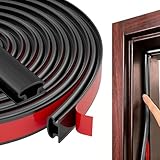
- 【THICKENED SILICONE MATERIAL - COMPLETELY BARRIERING AIR AND NOISE】:The weather stripping is made of thickened TPE material with good sealing and anti-deformation properties, with this weather stripping you can completely seal the gaps, keep the room warm in winter and cool in summer, Helps To Reduce Energy Consumption ,and blocking the entry of noise, light, rain, dust, wind, leaves, snow, and odor, and no reptile will sneak in.
- 【CUSTOMIZABLE IN A VARIETY OF SIZES】This weatherstripping is easy to customize, can be cut to size with scissors, and can be easily bent into any shape. Overall length 50 feet, width: 0.35 inch; thickness: 0.23 inch; fits gaps and spacing from 0.1 to 0.22 inch.NOTE: Please measure the width of the gap before purchase
- 【STRONG ADHESION - WON'T FALL OFF】This door weather stripping is covered with a strong adhesive substance. Simply remove the red film from the surface and install. After 24 hours of bonding, everything is securely bonded and there is no need to worry about peeling or adhesive residue, ensuring that this door seal strip in place long after use (and is no longer affected by extreme temperatures).
- 【EASY INSTALLATION】Measure the length of the groove to be sealed, cut the Universal Weatherstrip to the desired length, clean and dry the surface, and insert the Soundproof Weatherproof Weather strip into the groove.(Note:Low Temperature Will Result In Poor Adhesive Performance,Please Use A Hair Dryer To Heat The Adhesive Backing To Increase The Bonding Effect Before Installation)
- 【WIDELY USED】The Door Insulation Strip is a tough, long-lasting self-adhesive tape with minimal compression that helps prevent rattles, vibrations and squeaks. It is widely used as weather stripping, gaskets or cushioning and stabilizes major appliances such as doors, windows, furniture, electrical cabinets, speakers, toys, crafts, sports equipment, vents, air conditioning, plumbing, HVAC. Also, in cars, trucks and boats.
ENERGY STAR presents an EPA estimate of average savings of 15% on heating and cooling costs, or 11% on total energy costs, for air sealing and adding insulation in specified areas. These are averages attributed to EPA, not a promise for an individual house. Results depend on climate, existing construction, fuel prices, equipment, occupancy, and the quality and extent of the work. ENERGY STAR also reports that nine out of ten U.S. homes are under-insulated; the page does not state a publication year for that figure.
Why sealing alone may not solve a cold room
A room can feel cold because outdoor air enters, because surfaces remain cold from inadequate insulation, because supply air is not reaching the room, or because the heating system is unbalanced. Sealing a window will not correct a missing attic insulation layer, and adding insulation will not close a large open penetration. Diagnosis prevents paying for the wrong remedy.
Restore the heating system’s ability to distribute warmth
Check the filter
DOE says a dirty filter can reduce airflow and make a system work harder. Check the filter monthly during the heating season and replace a dirty one; the cited guidance gives a minimum replacement interval of at least every three months, while the equipment maker’s instructions take precedence. Use the specified filter size and type, and turn off the equipment as instructed before servicing it.
Check registers and room airflow
Make sure supply registers are open and not blocked by furniture, rugs, or curtains. Keep return grilles unobstructed so air can circulate back to the system. If one room remains cold while others overheat, record which registers have weak airflow rather than simply raising the thermostat.
Rank #4

- Extra Long Size: You'll get a 33FT door weather stripping (1/2in x 1/4in). Easy to install, no tools needed, cut to any length
- High-Density CR Foam & Neoprene Rubber: Eco-friendly, non-toxic foam weather stripping with superior weatherproofing, shock absorption, soundproofing, and heat insulation
- Upgrade the Powerful Adhesive: Upgraded door weather stripping adhesive ensures reliable sealing, and waterproofing, wipe the door frame clean before sticking, there is no need to worry about it peeling off
- Energy Saving & Versatile: Door insulation seals gaps to maintain warm indoor temperatures in winter and cool indoor temperatures in summer, cutting energy costs. It is ideal for doors, windows, vents, AC, vehicles, and handicrafts
- Premium Service: We are confident in offering a 100% Satisfaction Guarantee. If you have any questions about weatherstripping for doors, contact us and we will solve it for you within 24 hours
Have ducts inspected when temperatures are uneven
ENERGY STAR notes that duct leaks can contribute to rooms being too cold. Duct inspection is especially relevant when a long run serves the cold room, airflow is weak, or ducts pass through an attic, crawlspace, or other unconditioned area. Sealing or insulating ducts should follow the equipment and building requirements; extensive work is generally better handled by a qualified professional.
Independent reader supportYour contribution helps us test, update, and keep practical guides available for everyone.Choose the next action by symptom
| What you notice | First checks | If it persists |
|---|---|---|
| Cold air at a door or window edge | Weatherstripping, caulk at fixed joints, door alignment | Inspect surrounding framing and larger wall or attic leakage |
| Glass feels very cold, but no obvious draft | Open coverings for useful winter sun; close them after dark | Assess window condition, interior film suitability, and nearby insulation |
| One room is colder than the rest | Open and unobstruct registers; check filter and return airflow | Inspect ducts, room pressure, and envelope leaks |
| Cold floors or ceiling edges | Check basement rim joists, attic hatch, and penetrations | Arrange an energy assessment for insulation and air-sealing priorities |
| Drafts appear after major sealing work | Confirm combustion-air and ventilation requirements | Have a professional test combustion appliances and indoor air conditions |
Safety limits you should not ignore
Never use cooking appliances as room heaters
Do not use an oven, stovetop, or another household appliance to heat a room. DOE explicitly cautions that appliances are not intended for space heating. Such use can create fire, burn, and carbon-monoxide hazards.
Use combustion equipment responsibly
If a fireplace, wood stove, or kerosene heater is used in an emergency, CDC recommends having the chimney or flue inspected yearly and installing smoke alarms and battery-operated carbon-monoxide detectors near the heated area. Follow the appliance’s ventilation, clearance, fuel, and operating instructions. Never ignore an alarm or operate equipment that shows signs of damage.
Account for ventilation and backdrafting
Extensive air sealing changes how air moves through a building. ENERGY STAR recommends professional inspection and testing in relevant cases because sealing can contribute to backdrafting or trap pollutants from combustion appliances. This is a reason to coordinate major envelope work with a qualified energy or heating professional, not a reason to leave obvious leaks unaddressed.
When professional help is worth the cost
- Several rooms remain cold after basic weatherstripping, caulking, filter, and register checks.
- You suspect attic, basement, rim-joist, or duct leakage that cannot be safely reached.
- The home has combustion appliances and you plan extensive air sealing.
- You see moisture damage, mold-like growth, deteriorated window frames, or unsafe wiring near a proposed repair.
- You are considering insulation work but do not know which assemblies are under-insulated.
- You rent and the needed repair affects the building envelope or heating equipment.
Ask what the assessment will inspect, whether testing is included, which repairs are urgent, and which recommendations are optional. Request that the professional distinguish air leakage from insulation, duct, equipment, and ventilation problems so you can prioritize spending.
A practical weekend plan
- Walk every exterior door and window and mark the locations where you feel moving air.
- Measure or identify the gap before buying weatherstripping; install it on movable parts and add a compatible door sweep where appropriate.
- Caulk suitable fixed cracks, avoiding drainage paths and moving joints.
- Open south-facing coverings during useful winter daylight and close coverings after sunset.
- Check the heating filter, supply registers, and return grilles; replace a dirty filter according to the equipment instructions.
- Inspect accessible attic hatches, basement rim joists, and utility penetrations without disturbing electrical, flue, or combustion components.
- If comfort remains uneven, schedule an energy or duct assessment before buying more window treatments or insulation.
- After major sealing, verify smoke and carbon-monoxide protection and arrange professional combustion-safety testing where applicable.
This approach keeps the first moves inexpensive and reversible while directing larger investments toward the leaks, insulation gaps, or distribution faults actually causing the discomfort.
Quick Recap
Product prices and availability are accurate as of the date/time indicated and are subject to change. Any price and availability information displayed on Amazon at the time of purchase will apply.




