
Do these 3 things before closing this tab:
1Repair Windows errors before they cause bigger problems2Fix the driver behind crashes, sound loss and screen glitches3Clear out junk files and repair common Windows errorsNeither form is always better. Silver coins and bars both give you physical exposure to the metal, but your result depends on the price you pay above spot, the dealer’s buyback offer, selling costs, storage, and how much silver you need to liquidate at once. Choose by comparing equivalent products and complete round-trip costs rather than assuming coins are more liquid or bars are always cheaper.
What you are actually buying
Investment silver is valued primarily by its metal content: weight multiplied by fineness. A one-troy-ounce piece that is .999 fine contains approximately one troy ounce of pure silver, while a heavier or less-fine piece contains a different amount of pure metal. This bullion value is separate from a dealer’s selling price.
As an Amazon Associate I earn from qualifying purchases.
The United States Mint distinguishes bullion coins from collector coins. Bullion coins are valued mainly by weight and fineness; collector values can also reflect rarity, condition, age, or other numismatic factors. If your goal is metal exposure, compare bullion products rather than paying an unquantified premium for collectible characteristics.
Free tools Windows power users keep installed
One-click scans. No signup required.
Spot price and premium
The spot price is the reference market price for silver at a particular time. A retail quote can exceed spot because it includes a premium. The Mint says bullion-coin pricing generally reflects the prevailing metal price plus a premium for minting, distribution, and marketing. A bar’s quote can also include fabrication, distribution, dealer margin, and other costs.
#1 Best Overall

- ✔️1 oz 2026 American Silver Eagle Coin
- ✔️Obverse: Adolph A. Weinman’s design of Lady Liberty wrapped in the American flag and elegantly striding over a ridge while the sun rises.
- ✔️Reverse: One eagle flying into land while carrying an oak branch in its talons.
Premium is not automatically a loss: it may pay for manufacturing, recognizable specifications, distribution, and the dealer’s operating costs. It does mean silver must rise enough to cover that amount, plus selling costs, before a purchase produces a gain.
Coins and bars compared
| Question | Silver bullion coins | Silver bullion bars |
|---|---|---|
| How value is determined | Weight and fineness, with any additional premium attached to the product | Weight and fineness, with any additional premium attached to the product |
| Official U.S. example | American Eagle Silver Bullion Coin: one troy ounce of .999 fine silver; the U.S. government guarantees weight, content, and purity | No specific bar issuer or model is established by the cited sources |
| Retail price | Metal value plus a premium; the Mint says premiums cover minting, distribution, and marketing | Dealer quote above the metal value may include fabrication and distribution costs; no universal premium advantage is established |
| How you buy in the United States | The Mint distributes bullion coins through authorized purchasers instead of selling directly to the public | Purchase channel and terms depend on the refiner, dealer, and product |
| Resale price | Dealer buyback is normally below spot, with the exact offer and conditions varying by dealer and product | Dealer buyback is normally below spot, with the exact offer and conditions varying by dealer and product |
| Divisibility | Available in specified denominations; selling one piece can reduce the amount of silver sold at once | Available in different weights; a smaller bar can provide divisibility, while a large bar requires selling more metal in one transaction |
| Verification | Recognized specifications and documented weight, content, and purity can aid verification | Maker, markings, weight, dimensions, and the dealer’s testing or assay process matter |
| Liquidity evidence | The cited sources do not prove that coins are universally easier to sell | The cited sources do not prove that bars are universally harder to sell |
The table describes decision factors, not a permanent ranking. A recognized bar from a refiner that a dealer readily verifies may be easier to sell than an unfamiliar coin, while a widely recognized sovereign coin may attract a straightforward quote. Ask the specific buyer rather than relying on the word “coin” or “bar.”
How the money is made or lost
The round-trip calculation
Evaluate a purchase using the complete transaction, not the entry quote alone:
- Record the delivered purchase price, including shipping, payment surcharges, and any other acquisition fee.
- Record the troy ounces of fine silver in the product. Multiply the stated weight by fineness when a product is not pure silver.
- Divide the delivered price by fine troy ounces to calculate your all-in cost per fine ounce.
- At the same time, record the live spot reference used for the quote. Spot references can differ by market and timing, so note the source and timestamp.
- Ask the intended buyer for a buyback price and the conditions for receiving it. Record whether the offer is for cash, a bank transfer, an account credit, or a trade.
- Subtract selling expenses, including shipping to the buyer, assay or testing charges, insurance, storage, account administration, and applicable taxes.
Your break-even silver price is not simply the spot price on the day of purchase. It must cover the premium and every cost incurred on the way in and out. A product with a lower advertised premium can still be more expensive after shipping, storage, or an unfavorable buyback spread.
The dealer spread
The Commodity Futures Trading Commission explains the basic spread plainly: “A dealer will always sell metal above the spot price and buy it back below the spot price.” The difference between those two prices is a hurdle that exists even if spot silver does not move. Compare a dealer’s buyback policy before purchasing, not only the retail price.
Rank #2

- Purity: .999 Fine Silver
- Diameter: 40.6 mm; Thickness: 3.2 mm
- Stock Photo; Image is indicative of quality
- Metal Content: 1 Troy Ounce per Coin; Total: 20 Troy Ounces
- You will receive twenty coins per purchase in an official United States Mint Tube; DISCLAIMER: Please note that we pull random year coins from the same tube, so all coins received per purchase will be from the same year— mixed bags are highly unlikely, ensuring a consistent and uniform collection for your enjoyment!
Why a rising silver price may not produce a gain
Suppose spot silver rises, but your coin or bar was bought at a large premium and the dealer’s bid remains below spot. The increase may first offset the purchase premium and the resale spread. Holding, insurance, delivery, and tax costs can raise the required gain further. Conversely, a lower-premium product with transparent buyback terms may reach break-even sooner even if its design is less familiar.
When coins may fit better
You want smaller sale amounts
Coins in standard denominations let you sell selected pieces instead of liquidating one large bar. That can help when you need only part of your holding or want to retain some silver. Denomination is a flexibility feature, not a guarantee of a better resale price. Confirm that the buyer accepts the specific denomination and pays a competitive bid.
You value standardized government specifications
The Mint’s American Eagle Silver Bullion Coin is one troy ounce of .999 fine silver, and the U.S. government guarantees its weight, content, and purity. Those documented specifications can simplify a buyer’s verification process. The Mint reports that more than 500 million troy ounces have been sold since 1986; that is the Mint’s own promotional description of the program, not an independent ranking of liquidity or performance.
You are comfortable with the coin’s premium
A coin can carry a premium for minting, distribution, marketing, and recognition. Compare that premium with the dealer’s buyback terms. Do not pay a collector-style price unless rarity, condition, or another numismatic feature is part of your deliberate strategy; those features are different from ordinary bullion value.
When bars may fit better
You are buying a larger amount of metal
Bars can package more fine silver in a single item. Fewer items may simplify counting and physical organization, but a large bar also concentrates the amount you must sell in one transaction. Select a bar size that matches your likely future cash needs rather than choosing the largest available piece automatically.
Rank #3

- ELEGANT & HIGH QUALITY - Carries a unique luxurious shine, this unique piece will add wonderfully to your collection or start your collection MUST HAVE FOR COLLECT - Proudly showcase your physical collection! Quality crafted with great attention to minor details Shining Bright – Each round is handled with gloves and kept as pristine as possible
- 1/10 oz NOT 1 OUNCE
You can verify the refiner and product
A bar’s suitability depends on its maker, identifying marks, stated weight and fineness, packaging, and the buyer’s testing procedure. Ask what tests the dealer performs, whether an assay certificate is required, and whether removing packaging changes the bid. A bar that a local buyer cannot readily authenticate may face a wider discount than a product that buyer handles routinely.
You have checked the all-in price
Do not assume bars always have lower premiums than coins. The cited official sources provide no like-for-like current premium comparison and no universal percentage advantage. Compare same-day quotes for equivalent fine-silver ounces, including delivery and payment costs, then compare the same dealer’s buyback offer for each product.
Which is easier to sell?
“Easier” has at least three meanings: finding a buyer, completing verification, and receiving a competitive price quickly. A recognizable sovereign coin may be familiar to many buyers, while a bar from a well-known refiner may be equally straightforward for a specialist dealer. An obscure product in either form can require extra testing or attract a lower bid.
The Mint says authorized purchasers create a two-way market for its bullion coins, but it also advises consumers to research the vendor, confirm specifications, understand current premiums, and scrutinize offers below the current market price. That guidance does not promise a particular resale price or guarantee that every purchaser will buy every coin.
Before buying, call the likely resale outlet and ask:
Recommended Free Tools
Rank #4
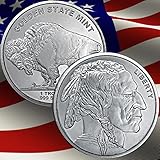
- ELEGANT & HIGH QUALITY - Get inspired to pursue your crypto coin mining dream with the ultimate motivational Dogecoin! Made from .999 fine Siver it carries a unique luxurious shine, this cryptocurrency coin-shaped medal is a unique piece to start your collection
- MUST HAVE FOR COLLECTORS - Proudly showcase your physical coin collection! Quality crafted with great attention to minor details
- Shining Bright – Each coin is handled with gloves and kept as pristine as possible; we even provide a FREE protective capsule.
- .999 Fine Silver
- Does it buy this exact issuer, weight, and fineness?
- How is the bid calculated relative to spot, and how often does it change?
- Is there a minimum quantity or a separate price for damaged or opened packaging?
- Who pays shipping, insurance, assay, and payment-processing costs?
- How long does payment take, and is the quoted bid guaranteed for a stated period?
Keep the answers with your purchase records. A published buyback policy is useful only if its conditions match the item you actually own.
Verification and fraud controls
Physical silver creates an authenticity risk that a price chart does not show. Use a dealer with clear product descriptions and a documented testing process. Check that the stated weight and fineness are internally consistent, inspect markings and packaging, and retain invoices and certificates. A price materially below the current market level deserves extra scrutiny; the Mint specifically warns consumers to exercise care with below-market offers.
Do not treat a government guarantee on a specified coin as a guarantee of profit. It addresses weight, content, and purity. Your purchase price, resale spread, storage costs, and market movement still determine the financial result.
Independent reader supportYour contribution helps us test, update, and keep practical guides available for everyone.Storage, insurance, and ongoing costs
The CFTC lists storage, insurance, administrative fees, and possible taxes among the costs to consider when buying physical precious metals. You may store metal yourself, use a bank or private vault, or use a dealer or custodian arrangement. Each option changes cost, access, insurance terms, and the evidence you have of ownership.
The Tool Desk
Outbyte PC Repair FREEClear out junk files and repair common Windows errorsFree Scan →Outbyte Driver Updater FREEFix the driver behind crashes, sound loss and screen glitchesFind Drivers →Home storage
Home storage can provide direct access but requires a realistic security and insurance plan. Check whether your existing insurance covers bullion, the policy limit, exclusions, documentation requirements, and whether separately scheduled coverage is needed. Avoid describing a home safe as risk-free; theft, fire, loss of records, and accidental disclosure remain possible.
Best Value
- Purity: .999 Fine Silver
- Diameter: 40.6 mm; Thickness: 3.2 mm
- Metal Content: 1 Troy Ounce per Coin; Total: 10 Troy Ounces
- Stock Photo; Image is indicative of quality
- You will receive ten coins per purchase; DISCLAIMER: Please note that we pull random year coins from the same tube, so all coins received per purchase will be from the same year— mixed bags are highly unlikely, ensuring a consistent and uniform collection for your enjoyment!
Third-party storage
A vault or custodian may charge recurring storage and administration fees. Ask whether holdings are allocated to specific bars or coins, how audits work, what insurance covers, and how delivery or withdrawal is priced. Confirm who legally owns the metal and how quickly you can sell or take delivery.
Transaction records
Keep the invoice, product description, serial number where applicable, assay documentation, payment record, storage statements, and sale confirmation. These records support authenticity checks, insurance claims, cost-basis calculations, and tax reporting.
U.S. tax and retirement-account considerations
This section is U.S.-specific. Tax rules vary by jurisdiction and can change, so check current Internal Revenue Service guidance and obtain professional advice for your circumstances.
Outdated Drivers Are Slowing You Down
One free scan finds every outdated or missing driver and matches the right update for your exact hardware.Free scan · exact hardware matchWindows Errors? Fix Them Before They Spread
Repair common Windows errors and clear accumulated junk for a smoother, more stable PC - no reinstall needed.Free scan · no reinstallIRS Publication 544 (2025) treats gold, silver, gems, stamps, and coins as capital assets unless they are held by a dealer for sale. Gains or losses from sale or exchange are generally capital gains or losses in that context. The tax result depends on your basis, holding period, transaction details, and current law; the category “silver” alone does not determine the amount owed.
Retirement accounts have additional requirements. IRS qualified-plan guidance explains that certain bullion can qualify only when specified fineness and custody conditions are met, and that some coins are exceptions to the collectibles definition. Do not infer that every silver coin or bar is eligible for every individual retirement arrangement or other retirement plan. Confirm the exact product, fineness, custodian, storage arrangement, and plan rules before contributing funds.
A practical decision process
- Define the objective. Decide whether you want broad silver-price exposure, emergency liquidity in smaller units, long-term storage, or a numismatic strategy. This article concerns bullion investment; collectible objectives require different valuation work.
- Set a purchase size. Estimate how much cash you can commit without needing to sell on a short timetable. Include recurring storage and insurance costs.
- Choose comparable products. Compare coins and bars with the same fine-silver content and similar recognition. Do not compare a one-ounce coin with a ten-ounce bar solely by sticker price.
- Collect same-time quotes. Record spot reference, delivered purchase price, premium, payment method, and availability. Market prices fluctuate daily.
- Check the exit first. Obtain buyback bids and conditions from at least the type of buyer you expect to use. Include testing, shipping, insurance, and payment delays.
- Verify the product. Review issuer or refiner marks, weight, fineness, packaging, assay information, and the buyer’s authentication method.
- Model the holding period. Add storage, insurance, administration, and likely tax costs. Calculate the silver price required to break even.
- Document the purchase. Save every record needed for future resale, insurance, and tax reporting.
Common mistakes to avoid
- Assuming a lower sticker price means a lower cost. Shipping, payment, storage, and resale spreads can reverse the apparent advantage.
- Treating “coin” as a liquidity guarantee. Buyer familiarity, issuer, condition, denomination, and verification determine the actual bid.
- Treating “bar” as an automatic discount. The cited sources do not establish that bars universally carry lower premiums.
- Ignoring the sale side. A retail quote says what you pay, not what a dealer will pay you later.
- Buying a collectible premium unintentionally. Rarity and condition can matter, but they are not the same as bullion value.
- Buying from an opaque seller. Research the vendor, confirm specifications, and be skeptical of offers below current market levels.
- Overlooking account rules. Retirement eligibility depends on product, fineness, custody, and plan requirements.
- Failing to plan storage. Physical possession does not eliminate theft, insurance, administration, or record-keeping costs.
Bottom line: choose by the complete spread
Coins are a reasonable fit when you value standardized specifications and the option to sell smaller units. Bars can fit buyers who want a particular amount of fine silver in fewer pieces and have verified the refiner and resale terms. Neither advantage is universal.
The defensible choice is the product with the best combination of verifiable fine-silver content, acceptable delivered premium, credible buyback terms, manageable storage and insurance costs, and tax treatment appropriate to your jurisdiction. Recheck spot references, premiums, availability, dealer bids, and current tax rules immediately before placing an order.
What’s actually slowing this PC down?
Pick the symptom - the matching free tool is one click away.
Quick Recap
Product prices and availability are accurate as of the date/time indicated and are subject to change. Any price and availability information displayed on Amazon at the time of purchase will apply.




