
Do not estimate a vintage collectible from its age, sentimental importance, or an optimistic listing. First identify exactly what you have, document its condition and history, and compare it with recent completed sales of genuinely similar pieces. Then decide which figure you need: likely sale proceeds, an insurance replacement value, a dealer price, a liquidation value, or a formal appraisal. Those are different measurements and can differ substantially.
This process will not produce a defensible item-specific number until the object, market, location, and selling route are known. It will, however, show whether further research or specialist help is justified before you commit to a sale.
As an Amazon Associate I earn from qualifying purchases.
Start by defining “valuable” for your decision
The same object can have several legitimate values. Choosing the wrong one is a common reason sellers feel misled.
Quick wins for a faster PC:
Scan for outdated or missing drivers - takes under a minuteDriver Scan →Repair Windows errors before they cause bigger problemsFix Now →Fix the driver behind crashes, sound loss and screen glitchesFind Drivers →| Value type | What it is intended to answer | Why it can differ |
|---|---|---|
| Expected resale proceeds | What you may actually receive through a particular selling route | Depends on venue, timing, buyer demand, commissions, shipping, taxes, and the object’s presentation |
| Fair-market or retail value | What a willing buyer and seller might agree in an appropriate market | Assumes a particular market context rather than a forced or rushed sale |
| Dealer or wholesale value | What a dealer might pay while allowing room for overhead and profit | Usually lower than a dealer’s eventual retail price |
| Liquidation value | What an item might bring when sold quickly or under constrained conditions | Limited time, audience, or selling options can reduce the result |
| Insurance replacement value | The cost of replacing an item with a comparable example for coverage purposes | Replacement in a retail market may cost more than the amount realized at auction |
| Formal appraisal value | A documented conclusion prepared for a stated purpose such as an estate, donation, insurance, or legal matter | The purpose, definition of value, date, specialist, and supporting evidence all affect the conclusion |
Before contacting a buyer or appraiser, write down the decision you are making. “Should I insure this?” requires a different answer from “What might I net if I sell it at auction this season?” An insurance figure should not be presented as a promised sale price, and a dealer offer should not be treated as proof that the item has no higher retail market.
#1 Best Overall
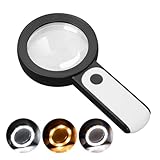
- HIGH POWER MAGNIFICATION: This magnifying glass provide Optical high magnification, allowing users with low vision to read text, no matter the size.
- ULTRA BRIGHT 18 LED WITH 3 MODES: The built-in energy-saving 18 LED lights provides extra luminance to ensure an overall better reading experience even at night or dark places. The stepless dimmable 3 lighting modes (cold, warm and mixed) can be switched based on different light condition, which can reduces visual fatigue, which is very useful for people with macular degeneration or far-sightedness/feyopia.
- EASY TO USE: Comes completely assembled, just requires 3x AAA batteries (not included). Easy to operate with a simple ON / OFF button switch, making it perfect for the elderly or those requiring an intuitive magnification system.
- LARGE LENS(Diameter 3.15"): Magnifies without optical distortion. Optimal to enhance reading and viewing very fine details in books, newspapers, magazines, photographs, maps, electronics, miniatures, jewelry, pill bottles, medications, hobbies, models, and crafts of all kinds.
- PERFECT GIFT FOR THE ELDERLY: Great magnifier for seniors, Most elderly have difficulty reading the small print on coupons, prescription,medical bottle.clear magnifier with light also a great choice for those who have low or impaired vision of most types.
Build an evidence file before you search for a price
A clean record prevents small identification errors from turning into large pricing errors. Keep original labels, boxes, receipts, tags, correspondence, and certificates with the object while you investigate it.
1. Photograph the object systematically
Take well-lit photographs of the entire front, back, sides, top, underside, interior, and any moving or removable parts. Add close-ups of maker’s marks, signatures, model numbers, pattern numbers, labels, stamps, construction details, and unusual features. Photograph every scratch, chip, crack, dent, stain, repair, replaced component, or area of fading. Include a ruler or another scale reference when dimensions are difficult to judge.
Do not photograph only the best-looking angle. A specialist or buyer needs to see the evidence that could lower or raise value. Keep the original, unedited files and note when they were taken.
Do these 3 things before closing this tab:
1Clear out junk files and repair common Windows errors2Scan for outdated or missing drivers - takes under a minute3Repair Windows errors before they cause bigger problems2. Measure and describe materials
Record height, width, depth, diameter, weight where relevant, and the material or materials you can identify without destructive testing. Note whether parts are solid, plated, veneered, printed, molded, hand-built, or assembled. Construction details can distinguish an original from a later reproduction even when the surface decoration looks similar.
Use a small handheld magnifying glass to inspect tiny hallmarks, signatures, and impressed or incised marks. It can help you read a mark; it does not authenticate the item or establish its value.
Rank #2

- High magnification : Feosky magnifying glass can provide a magnification of 10X to enlarge blind spots and provide you with a clear field of view of tiny objects
- Lens Material: Made of lightweight and long-lasting acrylic material, it can ensure the best performance and provide clear images
- Ergonomic handle design: The handle is made of anti-skid material, which is easy to operate, hold and use, and is not easy to damage,it can be used for a long time
- Size: The total length of the magnifying glass is 6.8 inches, and the inner diameter of the lens is 3 inches. The handle is 3.5 inches long and weighs only 2.25 ounces, long term use will not cause sore arms
- Wide range of uses: to help the elderly and people with low vision read books, newspapers, and small font prints, and also suitable for adults to observe fine details in stamps, jewelry, needlework and various handicrafts
3. Preserve the object while you investigate
Do not polish, clean, refinish, repaint, reglaze, reframe, or dismantle a potentially valuable object before asking an appropriate specialist whether the treatment could affect value. Surface wear, patina, original finishes, old repairs, and construction evidence can all carry information. Heritage Auctions’ appraisal guidance specifically advises consulting an expert before cleaning artwork for resale. A well-intended improvement can remove original material or conceal evidence of authenticity.
Identify the exact object, not just its broad category
“Vintage vase,” “old watch,” or “antique toy” is not enough for a meaningful comparison. Identification should narrow the object to a maker, model, pattern, edition, material, and period when the evidence supports those conclusions.
The Tool Desk
Outbyte Driver Updater FREEFix the driver behind crashes, sound loss and screen glitchesFind Drivers →Outbyte PC Repair FREEClear out junk files and repair common Windows errorsFree Scan →What to record
- Maker, manufacturer, designer, or workshop name as marked
- Model, pattern, serial, edition, or catalog number
- Material and manufacturing method
- Dimensions and distinctive design features
- All marks, labels, signatures, dates, and country-of-origin information
- Whether the object is complete and whether accessories, cases, manuals, stands, or interchangeable parts are present
Compare the marks and construction with category-specific reference books, museum resources, specialist catalogs, and established collecting guides. Automated image identification and a single search result are useful leads, not final attributions. A similar-looking object by a different maker, a later reproduction, or a variant made in a different material can have a very different market.
Separate what you observed from what you inferred. For example, write “incised mark appears to read ABC” before writing “made by ABC.” That distinction gives a specialist something concrete to verify.
Condition is evidence, not a footnote
Condition affects categories differently, but it nearly always needs to be described precisely. Heritage Auctions Senior Consignment Director and Appraisal Services manager Meredith Meuwly identifies condition, provenance, rarity, quality, and fashion as five main factors of value.
Rank #3

- 5X MAGNIFICATION & LARGE 100MM LENS: The 100mm (4 in.) lens offers a wide viewing area, making it easier for seniors to read books, newspapers, labels, and fine print
- REAL GLASS LENS, NOT ACRYLIC: Made from real glass and precision-ground for clear, distortion-free images and excellent clarity
- ERGONOMIC SOFT-GRIP HANDLE: The soft rubberized handle provides a comfortable, non-slip grip for easy handling during extended use
- PROTECTIVE LENS HOUSING: The lens is securely encased to help prevent damage from accidental drops and everyday use
- AVAILABLE SINCE 2019: This magnifier has been offered since 2019 and is suitable for reading, books, newspapers, hobbies, insect observation, classroom science, crafts, and inspection.
Describe damage and alteration plainly
- Surface wear, scratches, scuffs, discoloration, fading, and oxidation
- Cracks, chips, dents, tears, losses, warping, or missing pieces
- Repairs, replacements, soldering, glue, repainting, re-plating, or restored finishes
- Changes to frames, cases, mounts, cords, hands, hardware, or other original components
- Odor, moisture damage, pests, or structural instability
- Whether the item functions, and which functions have not been tested
Do not assume that “minor wear” has the same meaning in every collecting field. In some categories, a professional grade has a direct and substantial price effect. In others, modest wear or an old repair may be accepted if it is disclosed. Your comparable sales must match the condition standard used by that category.
Check completeness
List every included part and every absent part. A toy without its original accessories, a chair without its matching component, or a collectible with a replaced lid may belong to a different comparison group from a complete example. If you are unsure whether a part is original, label it as unverified rather than silently treating it as original.
Document provenance and authentication
Provenance is the documented history of ownership, custody, and sometimes exhibition. It can support authenticity and add context, but a family story or a signature by itself is not proof.
Useful records
- Original purchase receipts, invoices, or dealer correspondence
- Estate inventories, wills, insurance schedules, and ownership records
- Labels, exhibition records, catalog entries, and published references
- Certificates, laboratory reports, or prior expert opinions
- Photographs showing the object in an earlier collection or setting
- Import, export, or other documentation relevant to the object and jurisdiction
Keep originals safe and make readable copies for a buyer or appraiser. Record who issued each document, when it was issued, and exactly what it covers. A certificate for a related object, an unsigned receipt, or an undated family account should be disclosed as context rather than presented as conclusive authentication.
Authentication questions are a strong reason to stop before cleaning or modifying the object. A qualified specialist can tell you whether a physical examination, comparison with reference examples, or independent testing is appropriate.
What’s actually slowing this PC down?
Pick the symptom - the matching free tool is one click away.
Rank #4

- 2 Pack handheld Rubber reading magnifier ,One orange and one green.
- the handle is comfortable and easy to hold,gives you a clearer experience.
- The rubber design makes the magnifying glass easy to hold.
- This item’s ideal for book reading, and hobbyist observations
- If you have any product quality problems, please get in touch with us
Find sold prices, not hopeful asking prices
The most useful market evidence is a group of recent completed sales for the same or a very similar object. An unsold listing shows what a seller wanted, not what a buyer paid.
Build a comparable-sales log
- Search by the most specific confirmed identifiers: maker, model or pattern, material, size, and edition.
- Save the sale date, venue, location or market, reported result, and photographs or description.
- Record condition, completeness, provenance, and whether restoration was disclosed.
- Note whether the reported result includes a buyer’s premium, taxes, shipping, or other charges.
- Reject examples that only look similar but differ materially in maker, rarity, condition, size, or authenticity.
- Group the closest matches and use the spread of those results to form a cautious range rather than selecting the highest number.
One dramatic result can be misleading. Material reproduced from IRS Publication 561 in an American Society of Appraisers webinar warns that an individual sale result may not represent a reliable value by itself, and that price-guide figures should be supported by other evidence. A set of well-matched results is more informative than a single record auction.
Use price guides as filters, not promises
Specialist guides can reveal that a maker, pattern, or variant deserves further research. They can also help you learn the vocabulary needed to search effectively. The University of Kentucky collecting guide cautions that listed guide prices commonly represent the highest prices paid for pieces in excellent condition. Treat a guide’s top figure as a condition-specific reference, not as the amount your example will bring.
Independent reader supportYour contribution helps us test, update, and keep practical guides available for everyone.Adjust the estimate for the selling route
After you have a range based on comparable objects, ask how and where you would sell. The same piece can produce different gross and net outcomes through a specialist auction, a general marketplace, a dealer, or a quick private sale.
| Evidence or route | What it can tell you | Limitation to record |
|---|---|---|
| Recent completed sales | What buyers recently paid in a particular market | Descriptions may omit condition details, and an individual auction result can mislead |
| Price guide or specialist reference | Whether an item or variant merits more research | Figures may be high-end or limited to excellent condition and require corroboration |
| Dealer or auction-house estimate | Whether a specialist sees a plausible market and selling route | A preliminary estimate is not a guaranteed sale price or necessarily a formal appraisal |
| Insurance appraisal | Replacement or coverage planning | It may exceed what the owner would receive at auction |
| Formal appraisal | A documented conclusion for a defined purpose | It depends on the stated purpose, specialist expertise, date, and item-specific evidence |
Ask each professional what the quoted number represents. Confirm whether it is an auction estimate, expected hammer price, retail indication, dealer offer, replacement value, or another definition. Then calculate the likely net amount after the specific venue’s commission, buyer or seller charges, transport, insurance, taxes, and any restoration or authentication expense. Exact fees vary by transaction, so obtain them in writing before relying on a gross estimate.
Best Value
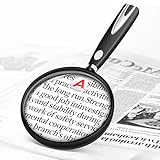
- High-Definition Magnification: This reading magnifier offers 10X-30X magnification, enlarging tiny details to provide a clear view of small objects. It's perfect for elderly reading, children observing insects and science projects, as well as craft work.
- Lightweight and Premium Material: Crafted from lightweight and durable acrylic material, this magnifier is effectively scratch-resistant and anti-glare. The large 90mm lens ensures clear magnification while reducing the overall weight, making it comfortable for long periods of use without causing arm fatigue.
- Ergonomic Handle Design: The handle is made of non-slip material and features an optimal length for easy operation, gripping, and use. It's sturdy and resistant to damage, ensuring comfort even during extended use.
- Magnifier Dimensions: The magnifying lens has an inner diameter of 3.54 inches, with a handle length of 4.72 inches. The total length is 8.3 inches, and it weighs only 2.41 ounces—exceptionally lightweight.
- Versatile Applications: This magnifier aids the elderly and visually impaired in reading books, newspapers, and small-print materials. It's also ideal for adults examining fine details in stamps, jewelry, needlework, and various crafts. An excellent gift choice for birthdays or special occasions.
When an expert is worth the cost
Specialist help is most justified when authenticity is uncertain, the potential value is substantial, the object has unusual provenance, or you need documentation for an estate, donation, insurance, legal, or tax purpose.
Choose category expertise
A general antiques opinion may be less useful than a specialist who regularly handles the exact category, maker, period, or material. Provide the evidence file: photographs, measurements, marks, condition notes, provenance records, and your comparable-sales log. Ask about conflicts of interest and whether the person is offering an appraisal, a consignment estimate, or a purchase proposal.
Know the difference between an estimate and an appraisal
An auction house or dealer may offer a rough estimate to decide whether an item fits its market. That estimate can be practical for choosing a selling route, but it is not automatically a formal appraisal. A formal appraisal should identify the item, state the purpose and definition of value, specify the effective date, explain the methods and evidence used, and identify the appraiser. If you need a document for a third party, state that requirement before the inspection.
Recommended Free Tools
Common mistakes that reduce confidence or proceeds
- Pricing from age alone: Age does not establish rarity, authenticity, desirability, or condition.
- Using sentimental importance as market evidence: Family meaning can be significant to you without changing what unrelated buyers will pay.
- Copying the highest online number: A guide’s peak figure, an insurance value, or an unsold listing is not a guaranteed sale result.
- Ignoring completeness: Missing accessories and replaced parts can move an object into a different comparison group.
- Hiding repairs: Undisclosed restoration can damage trust, complicate authentication, and lead to a lower result when discovered.
- Cleaning before advice: Polishing or refinishing can remove original surfaces and evidence.
- Assuming a signature proves authorship: Marks require examination and comparison; a family story alone is not authentication.
- Confusing gross and net: The sale result is not the amount you keep after venue and transaction costs.
- Seeking a formal appraisal for the wrong purpose: A replacement figure may not answer a sale question, and a dealer offer may not satisfy an estate or insurance requirement.
A practical decision checklist
Before you list, consign, insure, or transport the object, confirm that you can answer these questions:
- What maker, model, pattern, edition, material, and dimensions are supported by visible evidence?
- Which marks and signatures have been recorded clearly, and which remain uncertain?
- What damage, repairs, restoration, replacements, and missing parts are disclosed?
- What documents establish ownership, history, exhibition, or prior authentication?
- Which completed sales are the closest matches, and how do their conditions and sale terms compare?
- Does each reported result include a buyer’s premium or other charges?
- Am I seeking sale proceeds, a dealer figure, liquidation value, replacement value, or a formal appraisal?
- What would I likely keep after the chosen route’s costs?
- Would an authentication or category specialist materially reduce uncertainty?
What a historical auction example can—and cannot—show
Heritage Auctions reports that Julian Onderdonk’s painting Bluebonnets at Sunrise sold for $107,550 in May 2010 after cleaning. That is a historical, object-specific result. It demonstrates why treatment and condition can matter to a particular artwork, but it is not a current benchmark for paintings generally or for another collectible. A responsible estimate still requires close matches for identity, condition, provenance, and market context.
Make the final call from a range, not a single attractive number
Once identification, condition, provenance, and comparable sales are documented, set a conservative range supported by the closest evidence. Mark which assumptions would move the result: confirmed authenticity, a missing accessory, a repaired surface, a stronger provenance record, or a different selling venue. If the range is wide because one of those facts is unresolved, resolve that uncertainty before choosing a price.
For an ordinary item with clear identification and many comparable sales, this file may be enough to choose a selling route. For an unusual, potentially valuable, or disputed object, take the file to a qualified category specialist, appraiser, or appropriate auction house and ask exactly what its estimate means. That is the point at which a careful estimate becomes a defensible selling decision.
Free tools Windows power users keep installed
One-click scans. No signup required.
Quick Recap
Product prices and availability are accurate as of the date/time indicated and are subject to change. Any price and availability information displayed on Amazon at the time of purchase will apply.




