
Outdated Drivers Are Slowing You Down
One free scan finds every outdated or missing driver and matches the right update for your exact hardware.Free scan · exact hardware matchPC Slower Than It Used to Be?
A free scan shows the junk files, broken settings and background clutter dragging Windows down - then fixes them in one click.Free scan · Windows 10 & 11The most reliable way to plan affordable seasonal meals is to start with food you already own, check what is ripe and on sale locally, and build a flexible week of meals around a few ingredients that can be reused. Compare unit prices, combine fresh produce with frozen and shelf-stable foods, and buy only quantities your household can use before they spoil. Seasonal availability and value differ by region and week, so a local store circular, farmers market, farm stand, or regional seasonal guide—not a universal calendar—should set your choices.
USDA MyPlate summarizes the purpose of planning clearly: “Making a plan before heading to the store can help you get organized, save money, and choose healthy options.” (USDA MyPlate, “Make a Plan”)
As an Amazon Associate I earn from qualifying purchases.
What “affordable seasonal” means in practice
Seasonal food is produce that is currently being harvested in a particular area. “Affordable” is a local, time-sensitive judgment: a food may be plentiful and inexpensive at one market, unavailable at another, or discounted by a supermarket trying to clear inventory. Transportation, weather, labor, package size, and store promotions all affect the price you see.
That is why a national list of the “cheapest” fruits and vegetables can mislead. USDA notes that apples, oranges, and bananas may be considered in season year-round because they are grown in different locations. Use a regional seasonal guide and current prices as signals, then choose the foods that fit your household’s schedule and budget.
#1 Best Overall
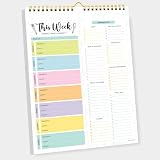
- CPC-CERTIFIED FOR SAFETY - This weekly meal planner for fridge features high-quality paper and strong magnets, all certified as child-safe. Tested to be LEAD-FREE and PHTHALATES-FREE, ensuring your peace of mind and your child's safety.
- PREMIUM QUALITY WITH STRONG MAGNETS - This menu planner and grocery list is made of thick paper with 4 strong magnets at the back, allowing you to easily plan meals. Stick this meal planner notepad on the fridge & stay focused on the upcoming meals.
- EASY TEAR-OFF GROCERY LIST - Plan, tear, and shop. With the perforated feature of the meal plan notepad, you can make your next trip to the store easier. This categorized weekly menu planner pad & weekly meal planner for fridge allows easy shopping.
- MEALS ALL YEAR ROUND - Say goodbye to tedious daily meal plan. With 52 sheets of weekly meal planner notepad, you get to effectively plan your meals every week of the year. Make it a habit to do menu planning with weekly meal planner pad.
- WE JUST WANNA MAKE YOU SMILE - Your happiness is our unwavering priority. If you ever find yourself less than delighted with your magnetic menu planner notepad & weekly food planner, simply reach out, and it will be made right. Buy with confidence and don't miss out on this well-designed meal prep notepad!
Seasonal planning is also broader than buying only fresh produce. Frozen and canned fruits and vegetables can be practical alternatives when fresh food is expensive, inconvenient, or likely to spoil. The goal is to assemble nutritious meals at a total cost your household can manage—not to make every ingredient fresh.
Start with an inventory before choosing recipes
Inventory prevents duplicate purchases and turns food already paid for into meals. Set aside a few minutes before planning and inspect three places.
- Refrigerator: Note produce that needs to be eaten soon, opened dairy or sauces, cooked leftovers, eggs, and other perishables.
- Freezer: Record frozen vegetables, fruit, meat, fish, bread, cooked grains, and prepared portions.
- Pantry and cabinets: Check beans, lentils, rice, pasta, oats, canned tomatoes, canned vegetables, broth, spices, and other staples.
Write down quantities or place a visible mark beside items you intend to use. Separate foods that should be used first from those with a long storage life. A half-used bag of spinach, leftover rice, and a can of beans can become the starting point for several meals; buying new ingredients before checking those items is how small amounts of waste accumulate.
Let local conditions choose the seasonal produce
After checking your kitchen, look at information that reflects your area and the current week.
- Open a regional seasonal produce guide, such as a state or local SNAP-Ed guide, to see what is typically available.
- Review supermarket sale flyers and online weekly ads.
- Check nearby farmers markets, farm stands, community-supported agriculture (CSA) offers, or delivery services if they are accessible to you.
- At the store or market, look for produce that is ripe, plentiful, and offered at a price that fits your plan.
USDA identifies markets, farm stands, low-cost produce delivery, and a CSA directory as possible sources, but it does not establish that any one outlet is cheaper everywhere. Include travel, delivery charges, membership commitments, minimum quantities, and the likelihood of using the food when comparing options.
Build a flexible weekly meal map
A rigid menu can force an extra purchase when plans change. A meal map gives each ingredient several possible uses and leaves room for leftovers or a night when cooking is not practical.
Choose a few anchor ingredients
Select two or three seasonal vegetables or fruits, one or two proteins, and staples already in the kitchen. For example, a locally discounted vegetable might appear in a roasted side dish, a grain bowl, and a soup. Beans, eggs, yogurt, or another household favorite can supply flexible protein. The exact choices should come from your local availability and inventory rather than a fixed national list.
The Tool Desk
Outbyte Driver Updater FREEFix the driver behind crashes, sound loss and screen glitchesFind Drivers →Outbyte PC Repair FREERepair Windows errors before they cause bigger problemsFix Now →Rank #2

- WEEKLY MEAL PLANNER, LASTS 12 MONTHS - Meal Planner will help you start a healthy diet, achieve your health and weight loss goals and get rid of poor eating choices. Set your diet goals, create your meal plan, and forget the stress of coming up with a healthy dinner solutions at the last minute.
- EASY MEAL PLANNING WITH WEEKLY GROCERY & SHOPPING LISTS - The meal planner was developed by nutrition experts and packs everything needed for successful planning: a starting point page, an exercise plan and calendar spread, 52 weekly spreads for daily meal planning, undated 12 monthly calendars and progress review sections, grocery lists and habit trackers, a measurements tracker spread, a year-end review section, space for tracking your favorite food's nutrition and 7 page notes at the back.
- UNIQUE DESIGN & A5 SIZE - Meal prep planner is a premium quality undated journal with beautifully printed colorful layouts, the size of 5.8" x 8.3" and 100 gsm thick no-bleed paper, a total 93sheets/186pages, that will last the whole year of tracking. It also comes with a closure band, a pocket for notes.
- MEASUREMENT & HABIT TRACKERS – Successful meal planning requires time and dedication. Luckily, you do not have to worry about falling off track! Weekly habit tracks will keep you accountable for completing all the good habits you planned. Monthly measurement trackers will motivate you to keep working on your goals by letting you visualize your consistent progress.
- THE PERFECT GIFT - Meal Planner Notebook as gift for woman & man. Use it to track your week-to-week progress, make efficient adjustments whenever needed.
Reuse components deliberately
Cook a batch once and plan its second use. Roasted vegetables can go into a grain bowl, soup, or casserole. Extra grains or beans can become a later lunch. USDA gives a simple leftover-stretching combination of rice, beans, frozen corn, salsa, and seasonings. Write the second use on the plan so leftovers are not forgotten in the refrigerator.
Account for real schedules and preferences
List the nights when someone has limited time, will eat away from home, or prefers a particular meal. Include breakfasts, lunches, snacks, and planned leftovers, not only dinners. A plan that ignores those occasions often leads to unplanned convenience purchases.
Cover the MyPlate food groups over the week
Use the meal map to include fruits, vegetables, grains, protein foods, and dairy or fortified alternatives across the week. Seasonal shopping can support a balanced pattern, but it is not a guarantee of one; frozen, canned, and shelf-stable foods can fill gaps when fresh options do not fit the budget.
Turn the meal map into a precise shopping list
- Write each meal and its required ingredients.
- Cross off everything already in the refrigerator, freezer, or pantry.
- Combine repeated ingredients and estimate the amount the household will actually use.
- Separate the list into produce, protein foods, grains, dairy or alternatives, and pantry items to make shopping faster.
- Mark items that can be substituted if the advertised price changes or the preferred produce is unavailable.
Buy for the plan, not for an attractive bulk display. A larger package is economical only when the food stores well and will be used before quality declines. If a family will use half a large quantity, the unused half is not a saving.
Do these 3 things before closing this tab:
1Clear out junk files and repair common Windows errors2Fix the driver behind crashes, sound loss and screen glitches3Repair Windows errors before they cause bigger problemsCompare value with unit prices
Package prices can hide meaningful differences in size. Compare the unit price printed on the shelf label or calculate the cost per ounce, pound, or other common unit for similar products. Use the same unit when comparing different package sizes, brands, or forms.
Unit price is one part of the decision. A lower price per ounce is not a bargain if the item will be discarded, requires a costly extra ingredient, or cannot be stored safely. Consider edible yield, preparation time, storage life, and how many planned meals the purchase supports.
Fresh, frozen, or canned: choose the form that fits the week
Fresh produce is not automatically the best value. Compare the three forms using current local prices and your expected use.
Rank #3

- MEAL PLANNING THROUGHOUT THE YEAR: This weekly meal planner notebook measures 8.5 "x 11" and contains a weekly meal plan and grocery list on each page for you to plan your weekly meals and your grocery list. With 50 pages in total, this meal planner notebook is more than enough for a year's worth of use!
- THICK PAPER: Our menu planner for fridge is made of 80gsm double-glue paper, won't tear and curl, smooth paper, smooth writing, and no ink leakage problem. The layout of the meal planner and grocery list pad is vertical layout, each page in the middle of the meal plan and grocery list notepad has torn auxiliary lines, needs are categorized while it's easy to tear out the grocery list and take it with you to the supermarket.
- BUILT-IN MAGNET: The bottom of the weekly meal planner notebook is a piece of thickened cardboard, on the back of the cardboard, four widened strong magnets are distributed in an enclosing style to ensure that the menu planner for fridge can be firmly attached to the refrigerator and will not fall, and you can easily write with one hand.
- WALL-MOUNTED MEAL PLANNING PADS: The weekly meal planner notebook has a double spiral structure, easy to turn the pages, and comes with a matching suspension rod, all made of iron, sturdy and durable, hanging without deformation, and you can hang it anywhere you want to hang it.
- HEALTHY EATING HABITS: Use a weekly meal planner magnetic to set up a weekly meal plan ahead of time, record daily meals, organize by meal, eat by arrangement, and avoid junk food. Record the ingredients you need in advance and follow the grocery list to save money and time. It's a wonderful thing to have a meal planner notebook that not only helps you have a healthy body but also avoids unnecessary waste!
| Form | When it can work well | What to check |
|---|---|---|
| Fresh | Use first when it is ripe, on sale, and likely to be eaten soon. | Local price, edible portion, ripeness, storage requirements, and days before it will spoil. |
| Frozen | Keep for later meals, smoothies, soups, sauces, and casseroles; useful when fresh produce is costly or unavailable. | Package size, freezer space, added sauces, and whether the label lists added sodium, sugar, or other ingredients. |
| Canned | Maintain a shelf-stable backup for vegetables, fruit, beans, and quick meals. | Choose options lower in sodium, saturated fat, and added sugars when available; compare drained quantity and unit price. |
USDA says frozen and canned produce can be just as healthy as fresh. Read labels and select choices lower in sodium, saturated fat, and added sugars. Plain frozen vegetables can be added to a soup or casserole without waiting for a fresh sale, while canned foods provide insurance for weeks when shopping or cooking time is limited.
Free tools Windows power users keep installed
One-click scans. No signup required.
Stretch seasonal ingredients with affordable staples
Beans, lentils, rice, oats, pasta, potatoes, canned tomatoes, and frozen vegetables can make a small amount of seasonal produce serve more people. USDA specifically recommends using beans and canned or frozen vegetables to bulk up meals. Combine a seasonal vegetable with a grain and a protein, then season it in more than one way so the same base does not feel repetitive.
- Use beans with rice and a seasonal vegetable for a bowl or filling.
- Add frozen or canned vegetables to soups, stews, pasta, or casseroles.
- Serve cooked grains or potatoes with leftover roasted produce and an egg or beans.
- Use ripe fruit in breakfast, snacks, or smoothies before it becomes overripe.
These are planning patterns, not promises of a particular price. Check the current unit costs and the amount your household will eat.
Compare places to buy without assuming one is cheapest
| Source | Potential advantage | Costs and questions to include |
|---|---|---|
| Supermarket sale | Predictable weekly promotions and convenient one-stop shopping. | Sale price, package size, travel, and whether the promotion requires buying multiples. |
| Farmers market or farm stand | May offer ripe local produce and direct seasonal variety. | Price for the actual quantity, transportation, market schedule, and ability to use the food quickly. |
| CSA | Regular supply of seasonal food and a way to plan around a set share. | Total membership cost, pickup or delivery, minimum commitment, unfamiliar items, and spoilage risk. |
| Delivery service | Can save time or provide access when transportation is difficult. | Delivery and service charges, minimum order, substitutions, and the delivered price compared with local alternatives. |
USDA lists these channels as options but does not promise that a CSA, market, delivery service, or particular seasonal food costs less in every location. Compare the total cost and quantity you can use, not just the advertised price.
Store food so the savings survive the week
Storage is part of the budget plan. Put foods that spoil quickly where you will see them and use them first. Keep frozen and shelf-stable ingredients available for later meals so you do not need an emergency shopping trip when fresh produce is gone.
What’s actually slowing this PC down?
Pick the symptom - the matching free tool is one click away.
- Wash or prepare produce only as appropriate for the food and your storage setup; excess moisture can shorten the life of some items.
- Label leftovers with the date and place newer items behind older ones.
- Freeze fresh food before it is likely to spoil, in portions that match future meals.
- Move an upcoming meal on the plan when an ingredient ripens sooner than expected.
Freezing is a planning tool, not an admission that the original purchase failed. It lets you take advantage of a sale or seasonal supply while limiting waste, provided you have room and a realistic plan to use the frozen food.
A repeatable seven-day planning process
- Inventory: Check the refrigerator, freezer, and cabinets; identify perishables, leftovers, and staples.
- Research locally: Read a regional seasonal guide and current flyers, then note ripe or discounted produce nearby.
- Map meals: Assign a few flexible ingredients to breakfasts, lunches, dinners, snacks, and leftovers, while accounting for your schedule and preferences.
- Plan second uses: Decide how extra grains, beans, or roasted vegetables will appear in another meal.
- Check balance: Include all five MyPlate food groups across the week using fresh, frozen, canned, and shelf-stable foods as appropriate.
- Build the list: Write recipe ingredients, remove items already owned, combine quantities, and note acceptable substitutions.
- Shop by value: Compare unit prices and total costs; buy only quantities that can be stored and eaten.
- Store and adjust: Use fresh foods first, freeze what will not be used in time, and carry unused ingredients into the next plan.
Common mistakes that make seasonal eating cost more
Using a universal seasonal calendar
Harvest dates and prices vary by region and weather. A calendar from another state can lead you to seek a food that is not currently plentiful where you live. Check local guidance and the actual shelf or market price.
Rank #4
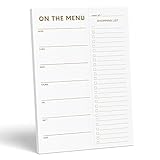
- WHAT’S FOR DINNER? For all the parents who hear this every day and all the health conscious souls planning their week, the Sweetzer & Orange meal planner Gold Magnetic Food Planner is for you. Pop it up on your fridge for an easy to see “what’s for dinner” answer every day.
- THICK, LUXURY PAPER: For many people a food journal is a work of art to be looked back on, and for busy parents, sometimes only the darkest marker is all we can find! So we made sure each 10x7” sheet was thick 100gsm non-bleed paper so you can use any pen you like! We also gold print ink for a little extra luxury in the kitchen.
- DOUBLE MAGNETS: We’ve also experienced the “weak” magnetic meal planner, you know the ones – the meal plan notepad that slide down your fridge! You won’t find that here – our friends adore dinner planning like you, so our DOUBLE magnetic backing holds up to any plan!
- MEAL PLANNER GROCERY LIST COMBO: Now that you’ve planned your at-home menu board, it’s time to shop! So we added a perforated Grocery List to the side of each page to jot down all the ingredients you need to execute your meal plan or meal prep list without a hitch.
- A YEAR OF PLANNING! With 52-Pages on this pink menu planner you have enough for 52 weeks of the year! And because your weekly planner notepad arrives securely shrink wrapped with a solid 900gsm card backing - EVERY page is usable and never torn or bent. Also comes with our special Sweetzer & Orange 12-Month Back Guarantee. So, why not try it now!
Treating “local” or “farm” as a guaranteed bargain
Direct sales can be useful, but no source is automatically cheapest. Include transportation, delivery, membership, quantity, and spoilage in the comparison.
Buying a large amount because the unit price is lower
Bulk buying works for foods that store well and will be consumed. It raises the effective cost when part of the package is thrown away.
Quick wins for a faster PC:
Fix the driver behind crashes, sound loss and screen glitchesFind Drivers →Clear out junk files and repair common Windows errorsFree Scan →Planning recipes instead of ingredients
A long list of unrelated recipes can require many small purchases. Choose meals that share ingredients and deliberately schedule leftovers.
Rejecting frozen or canned food on principle
Fresh food can be excellent, but frozen and canned options can protect the budget and keep nutritious choices available. Check labels and compare the amount you will actually use.
Ignoring convenience costs
A food that requires a special trip, extensive preparation, or a delivery fee may cost more in total than a convenient alternative. Include time and travel in the decision when the price difference is small.
Independent reader supportYour contribution helps us test, update, and keep practical guides available for everyone.Use the USDA guidance as a planning reference
USDA’s consumer resources provide the core practices described here: make a plan, inventory what you have, use a shopping list, compare prices, and prevent waste. The “Meal Planning” tip sheet (March 2022) covers planning around household schedules, preferences, snacks, and leftovers. The “MyPlate Planning for Healthy Eating and Savings: Fruits and Veggies Edition” (January 2024) explains seasonal availability and the use of fresh, frozen, and canned produce. The “Eat Healthy on a Budget” tip sheet (March 2022) addresses unit prices, sale produce, bulk purchases, and stretching meals with beans and canned or frozen vegetables.
USDA reported in 2024 that “More than 8 in 10” people do not eat the right amount of fruits and vegetables. That statistic describes an intake gap; it does not show that seasonal shopping alone will correct it. A practical plan can make produce easier to include while respecting the prices and storage limits in your area.
Best Value

- Plan Ahead and Stay Organized: From the busy single professional to the family homeschooling mom of seven, meal prep has become an important part of the diet over the past few years. It saves time, money and energy, and can even help you stay on track when dieting or trying to live a healthier lifestyle.
- Simple Weekly Meal Plan with Grocery and Shopping Lists: Includes starting page, exercise plan, 52-week meal plans spread with the grocery list and habit tracker and progress/year-end review sections etc. There are also common food nutrition tables, and a dot grid space on the back to easily help you achieve your health and weight loss goals.
- Set Your Diet Goals and Create Your Meal Plan: Creating a meal plan is a great way to make sure you are eating and giving your family a balanced diet. It helps make my goals easier to achieve. Also, Meal planning practices that help waste less food over a year can accomplish a lot, so don't hesitate to start organizing your eating habits now and take a big step towards being healthy!
- Measurement and Habit Tracker: Successful meal planning takes time and dedication. Fortunately, you don't have to worry about getting off track! The weekly habit tracker will keep you accountable for completing all the good habits you planned. The monthly measurement tracker will motivate you to continue achieving your goals by allowing you to visualize your continued progress.
- FSC Think Paper: JUBTIC weekly meal planner is guaranteed to work. If there are any quality issues or you are not completely satisfied with your Daily Meal Planner shopping list, we will exchange or refund your Dinner Planner as soon as possible. Please contact us via Amazon Messages for a hassle-free refund.
How to adapt the plan when prices or availability change
Keep the meal structure while changing the ingredient. If the planned fresh vegetable is unavailable or too expensive, compare another local option, a frozen version, or a canned version with a suitable label. If a sale disappears, use a pantry grain, beans, or frozen vegetables already on hand and move the original recipe to a later week.
When an unexpected quantity of produce is available, decide immediately which portion will be eaten fresh, which will be cooked, and which will be frozen. This converts a short-lived opportunity into several planned meals rather than an oversized purchase that spoils.
Questions readers often ask
Frequently Asked Questions
How do I know which foods are seasonal where I live?
Use a regional seasonal produce guide, then confirm what nearby stores and markets currently have in stock and on sale. Harvest timing and prices vary by location and week; there is no single U.S. calendar that applies everywhere.
Are frozen and canned vegetables a healthy budget choice?
USDA says frozen and canned produce can be just as healthy as fresh. Compare unit prices and choose packaged options lower in sodium, saturated fat, and added sugars when possible.
Should I join a CSA to save money?
Not automatically. Compare the full membership or delivery cost, quantity, pickup or delivery expenses, commitment, and your ability to use every item. USDA names CSAs as an option but does not establish that they are cheaper everywhere.
What is the best way to prevent seasonal produce from going to waste?
Plan a first use and a second use before buying, eat the most perishable items first, and freeze food that you will not use in time. Buy larger quantities only when the food stores well and your household will consume them.
Quick Recap
Product prices and availability are accurate as of the date/time indicated and are subject to change. Any price and availability information displayed on Amazon at the time of purchase will apply.




