
The Tool Desk
Outbyte Driver Updater FREEFix the driver behind crashes, sound loss and screen glitchesFind Drivers →Outbyte PC Repair FREERepair Windows errors before they cause bigger problemsFix Now →After a layoff, the most effective order is to map your cash, protect housing and essential services, and call each provider before a missed payment with a specific amount you can afford. Ask for hardship terms, but treat every arrangement as pending until the company confirms it in writing. Programs, eligibility and repayment rules vary by provider, loan and location.
Start with a short-term cash-flow snapshot
Do not begin by canceling random services or paying whichever bill is loudest. First determine how much money is available and when it will arrive. The Consumer Financial Protection Bureau (CFPB) recommends making a snapshot after job loss that includes income, savings, severance, debts, expenses and due dates.

As an Amazon Associate I earn from qualifying purchases.
List every source of cash
- Current take-home pay from remaining household earners.
- Unemployment benefits, if you qualify. Benefits vary by state, eligibility and work history; payments are generally taxable.
- Severance, vacation payout or other final wages, with the expected payment date.
- Savings and cash in checking accounts, while preserving enough for essentials and emergencies.
- Irregular income, such as freelance work, that you can reasonably expect rather than optimistic projections.
Include every household member who contributes income or shares expenses. Record the amount, date and whether the money is dependable. Note when severance ends, when unemployment certifications are due and whether a final paycheck includes deductions or delayed benefits.
Build a bill calendar
Write down each obligation, its due date, the minimum amount, the payment method and whether an automatic draft is scheduled. A free CFPB bill calendar and expense worksheets can help; a paper organizer is optional, but the organizer itself does not reduce costs.
| Record | What to capture |
|---|---|
| Income | Source, net amount, arrival date and whether it is temporary |
| Essential spending | Housing, utilities, food, medication, insurance, transportation and work-search costs |
| Debt payments | Creditor, balance, minimum payment, interest, due date and collateral at risk |
| Automatic payments | Account used, draft date and whether the draft can cause an overdraft |
| Flexible spending | Subscriptions, memberships, dining, travel and other items that can be paused |
Mark dates when several bills bunch together. A calendar can show that changing one due date, where allowed, would prevent a temporary cash shortage. Add a column for the date each provider must be contacted, the date an application was submitted and the date a temporary arrangement ends. Recheck the calendar whenever a benefit amount, severance payment or provider agreement changes.
Separate cash that is available from cash that is safe to spend
A checking balance can look adequate even when several automatic drafts are due. Set aside amounts for food, medication, transportation and insurance before offering money to unsecured creditors. If another household member has variable income, use a conservative amount in the plan and update it when the payment is actually received.
Prioritize bills by what happens if you cannot pay
When cash is insufficient, every bill is not equally urgent. The CFPB advises listing obligations and weighing the consequences of falling behind. There is no universal ranking: your lease, loan contract, transportation needs, family situation and local law matter.
What’s actually slowing this PC down?
Pick the symptom - the matching free tool is one click away.
| Consequence to evaluate | Questions to ask |
|---|---|
| Housing loss | Could nonpayment trigger eviction, foreclosure action or fees? What notice and cure periods apply? |
| Utility interruption | Could electricity, gas, water or communications be disconnected? Are medical or weather protections available locally? |
| Loss of transportation | Could default lead to repossession or prevent you from commuting, interviewing or keeping necessary appointments? |
| Insurance lapse | Would a missed premium leave you without health, auto, homeowners or renters coverage? |
| Escalating debt | What late fees, penalty interest, collections activity or credit consequences follow? |
| Unsecured obligations | Can the creditor offer a hardship arrangement before the account becomes seriously delinquent? |
Use this analysis to decide which calls happen first. Do not stop paying a secured debt or insurance policy simply because another creditor is calling more often; understand the contract and consequence before making that trade-off. A bill with a smaller balance can still deserve earlier attention if nonpayment cuts off a necessary service or puts an asset at risk.
Prepare before you call
Gather the latest statement, account number, current balance, due date and the provider’s official contact information. Have the date employment ended, your present monthly income, the amount you can pay and the period for which that amount is realistic. If a provider normally requires documentation, ask what it accepts, such as a separation notice, benefit determination or income worksheet.
Decide what outcome you are asking for before the conversation starts: a changed due date, a temporary lower payment, extra time, a fee waiver or a formal hardship plan. A precise request is easier for a representative to evaluate than a general statement that you cannot pay. Do not offer more than your cash-flow snapshot supports just to obtain a verbal yes.
Call providers before a missed payment
Use the telephone number on a current statement or the provider’s official website. Explain that employment ended, give your current monthly income and state a realistic amount you can pay for a defined period. Ask for one or more concrete options:
Free tools Windows power users keep installed
One-click scans. No signup required.
Rank #2

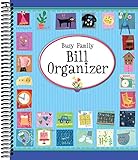
- Organize and manage your household bills and finances with this simple, easy to use 7" x 9" Monthly Bill Organizer.
- Includes pocketed pages to file receipts, bills even tax information.
- This spiral bound organizer comprises of neatly organized pages for each month allowing you to plan for upcoming expenses.
- Establish good credit by recording itemized goals. Check off when you have paid your bills for peace of mind at a simple glance.
- Great for any household or small business.
- More time or a changed due date.
- A temporary lower payment.
- Deferred payments, with a clear explanation of when they become due.
- A late-fee waiver.
- A temporary interest reduction or other hardship program, if offered.
A request is not an approval. Continue to follow the existing agreement unless the provider confirms a new arrangement. A representative may transfer you to a hardship department or require an application; record that next step and its deadline.
Use a specific script
“I lost my job on [date], and my current monthly income is [amount]. I can pay [amount] on this bill for the next [period]. What hardship options are available? Can you reduce or defer the payment, move the due date, or waive the late fee? Please explain any fees or interest, how the arrangement affects later payments, and send the terms to me in writing.”
This wording explains the hardship and proposes an affordable payment; it is not a promise that the company must accept it. The CFPB’s credit-card guidance is direct: “Contact your credit card company immediately.”
Ask follow-up questions that prevent surprises
- Will interest or late charges continue while the account is under review?
- Is the reduced amount a one-time concession or a recurring arrangement?
- What payment is due immediately, and what date starts the new schedule?
- Will the provider report the account as current, deferred or delinquent?
- What causes the arrangement to end, and what happens if income has not recovered?
- Who should you contact if the written agreement does not arrive?
Compare any offers before accepting
| Comparison point | What to verify |
|---|---|
| Total repayment | How much will be owed after the hardship period compared with the original schedule? |
| Payment amount | What is due during the arrangement, and what is due afterward? |
| Interest and fees | Does interest continue? Are late fees, enrollment fees or other charges added? |
| Timing of deferred amounts | Are missed amounts spread across later payments, added to the end, or due in a lump sum? |
| Account status | How will the arrangement affect collections, credit reporting, account access or collateral? |
| Eligibility and deadlines | What documents are required, when must they be submitted, and how long does review take? |
Keep a call record
Write down the representative’s name or identification number, the date, the proposed payment, effective dates, fees, interest and what happens when the arrangement ends. Ask for an email, letter or secure-message confirmation. Save statements and screenshots. If the written terms differ from what you were told, contact the provider before relying on the arrangement.
Crashes, No Sound, or Screen Glitches?
Random freezes, missing sound and display glitches usually trace back to one bad driver. Find and replace yours safely.Free scan · under a minuteWindows Errors? Fix Them Before They Spread
Repair common Windows errors and clear accumulated junk for a smoother, more stable PC - no reinstall needed.Free scan · no reinstallHandle housing separately and early
If you have a mortgage
Call the mortgage servicer as soon as you anticipate a payment problem. Ask which loss-mitigation options apply to your loan and situation, what documents are needed and how to submit them. Depending on the loan and circumstances, possibilities can include forbearance, refinancing or modification. A HUD-certified housing counselor may be able to help at little or no cost.
Ask whether submitting an application changes the next payment obligation. Keep making scheduled payments unless the servicer confirms different instructions. If more than one option is offered, compare the payment after the relief period, the total interest and the treatment of any missed amount rather than choosing solely by the lowest temporary payment.
Understand forbearance
Forbearance is temporary payment relief, not forgiveness. A paused or reduced amount remains owed. Before agreeing, obtain the repayment method in writing: whether the missed amount is added to later payments, placed at the end of the loan or required in a lump sum. Confirm the payment amount after the relief period, interest treatment and any effect on account status.
Rank #3

- All-In-One Monthly Organizer: Keep all your important documents in one place with Sooez Accordion File Organizer. 13 pockets design works great for Monthly organizing and protecting all your important paperwork, bills, taxes, receipts, invoices and more. Perfect for letter size.
- Expandable Capacity: The accordion file folder can be stretched up to 12 inches. 13 pockets allow you to store more than 2000 sheets. No matter how many documents you need to store, this folder can accommodate your needs as it can be easily expanded according to your requirements.
- Efficient Organization & Easy Lookup: To enhance your file organization, we provide blank labels along with this folder. You can personalize them to suit your requirements, such as labeling sections by month for effortless file retrieval.
- Stable & Portable: Stand on its own on the desk and not easy to tip over. Designed with portability in mind, allowing you to effortlessly move it between your desk, cabinet, and any other preferred locations.
- Maximum Protection and Durability: Well made, made from durable wipe-clean polypropylene. Waterproof & sturdy. Tear-resistant plastic provides durable structure. Acid-free, PVC-free, and archival quality for safe storage. Adjustable snap closure helps keep contents secure. Use 2 additional front pockets for business cards, project title cards or notes.
If you rent
Check rental-assistance programs in your city, county or state and contact the landlord early. Availability, eligibility and application deadlines are local; there is no single national entitlement established for every renter. Propose a payment amount your household can actually meet, ask whether a due-date change or written repayment plan is possible, and keep copies of notices and agreements. Do not promise a date or amount that your cash-flow snapshot cannot support.
Ask the landlord how an application for local assistance affects notices, late charges and the amount currently due. Keep the landlord informed if an agency requires additional documents. A verbal promise to “catch up later” is not a substitute for a written schedule showing dates and amounts.
Utilities and essential services
Call electricity, gas, water, internet and phone providers before a shutoff or suspension notice reaches its deadline. Ask about a payment arrangement, a changed due date, a lower-cost plan or a fee waiver. Medical, weather and seasonal protections may exist in some jurisdictions, but eligibility and procedures are local. Ask the provider or the relevant local agency what documentation and application deadlines apply, and do not assume a protection exists in your area.
Ask directly about medical-bill assistance
Before putting a medical bill on a credit card or medical-financing product, call the hospital, clinic or billing office. Request the provider’s financial-assistance policy and application. Many nonprofit hospitals and other providers use charity-care policies that may make eligible care free or discounted, but eligibility and processing differ.
- Check that the services, dates and amounts are accurate.
- Confirm that insurance was billed and that the insurer’s payment and adjustment appear correctly.
- Ask for the financial-assistance application, required income documents and the review timeline.
- Ask what happens to billing, collections activity and payment deadlines while the application is pending.
- If you do not qualify for charity care, request an interest-free provider payment plan and compare its total cost with any credit option.
Get the approved discount or payment schedule in writing. A lower monthly payment can still cost more if interest or fees accrue. Ask whether a payment plan is interest-free, whether a missed installment cancels the arrangement and whether the provider will continue sending statements while an application is under review.
Recommended Free Tools
Reduce recurring expenses without disrupting essentials
Review every recurring charge, not only obvious entertainment subscriptions. Streaming services, gym memberships, apps, storage, meal plans, memberships and premium account features may be paused, canceled or moved to a lower tier. Some households may choose to keep a service that supports routine, health or job searching; the goal is a deliberate trade-off, not an automatic purge.
Check annual renewals as well as monthly charges. A service can be inexpensive each month but create a large renewal debit at the wrong time. Save cancellation confirmations and check the next statement to ensure the charge stopped. Ask whether a pause preserves an account or causes a reactivation fee.
Rank #4

- Effective Budget Planning - Take control of your finances with the budget account book. This comprehensive planner allows you to plan and track your income, expenses, savings, and financial goals in one convenient place. With its intuitive layout and easy-to-use sections, you can stay organized and make informed decisions to achieve financial success.
- User-Friendly Layout - The budget planner features a user-friendly layout designed for easy navigation and organization. Each month, you'll find dedicated budget pages where you can set financial goals, track your income, and plan your expenses. Additional sections include debt trackers, savings goals, bill payment trackers, and more, making it simple to stay on top of your finances.
- Undated Monthly Calendar & Bonus Stickers - Featuring undated calendar each month, you'll have ample space to mark paydays, bills due, appointments, and important dates. Say goodbye to difficult writing spaces. Plus, we've included 3 cute sticker sheets that allow you to personalize your financial organizer and make budgeting more fun. Dates are not pre-printed and are completed by the user.
- Reliable and Convenient Design - Our monthly budget planner is designed for your convenience and built to last. The elastic band keeps everything securely in place, and the dual-sided pocket provides extra storage. Experience a budget planner that combines practicality and durability.
- Master Budgeting with Ease - Our financial planner includes a complete guidebook that provides valuable insights and instructions for optimal usage. From setting financial goals to tracking expenses, this guidebook offers step-by-step guidance and practical tips. Whether you're new to budgeting or an experienced user, this resource will help you make the most of your budget planner, empowering you to achieve financial success.
Protect the bank account from failed drafts
Use the bill calendar to identify automatic payments that could overdraw the account. Contact the bank and the biller promptly to ask about changing a draft date or stopping a recurring debit when appropriate. Confirm cancellation with the company and monitor the account; stopping an automatic draft does not cancel the underlying debt or contract.
If several drafts are scheduled for the same week, ask providers whether dates can be spread out. Review pending transactions daily during the first month after changing a payment arrangement, because an old instruction may still be queued.
Look for large, recurring savings
- Review insurance deductibles and coverage changes only after confirming that you will remain adequately protected.
- Ask communications, utility and other service providers whether lower-cost plans or hardship programs are available.
- Combine errands and reduce discretionary transportation while preserving access to interviews, work and medical care.
- Use the calendar to spread due dates when providers permit it, reducing overdraft risk without increasing total cost.
Check income and health-coverage options
Workers whose jobs were eliminated can generally qualify for unemployment benefits, subject to state eligibility rules, work history and filing deadlines. Apply through the relevant state agency and verify the amount, certification schedule and tax treatment rather than relying on a generic estimate. Keep confirmation numbers and continue required weekly or periodic certifications.
Job loss is generally a qualifying life event for changing health coverage outside open enrollment. Check the Marketplace, Medicaid or CHIP, employer coverage through a spouse and any other option for which your household may qualify. Compare premiums, deductibles, provider networks and effective dates, and confirm deadlines directly with the agency or plan. Do not allow a coverage gap while waiting for a provider hardship decision.
When comparing plans, consider the premium together with the deductible and likely prescription or treatment costs. Ask when coverage begins, whether a special enrollment application needs proof of the layoff and whether an employer plan has a separate election deadline.
Independent reader supportYour contribution helps us test, update, and keep practical guides available for everyone.Manage credit-card debt without paying for false promises
Contact the card issuer directly and state how much you can pay, how long the hardship may last and when normal payments might resume. Ask about temporary payment or interest relief, fee waivers and the effect on credit reporting. Request written terms before changing your payment pattern.
Be cautious with for-profit debt-settlement companies. Warning signs include promises of guaranteed reductions, upfront fees, instructions to stop communicating with creditors or advice to stop making minimum payments. Those steps can increase fees, collections activity and credit damage. If you consider credit counseling, ask exactly what it costs, which services are included, how creditors are contacted and whether the counselor is qualified to serve your state. Compare the counselor’s written fee schedule with the cost of handling issuer calls yourself.
Best Value
A practical 30-day sequence
Days 1–2: establish the facts
- Collect bank statements, bills, loan portals, insurance notices, severance information and unemployment details.
- Build the income, expense and due-date snapshot.
- Identify automatic drafts and bills due within the next two weeks.
- Set aside cash for food, medication, transportation, insurance and other immediate essentials.
Days 3–7: protect the highest consequences
- Call the mortgage servicer or landlord before the next housing payment.
- Contact utilities, insurers and transportation lenders if a payment problem is likely.
- Ask medical providers for financial-assistance policies before paying with credit.
- Submit any local assistance or insurance applications that have a stated deadline.
Week 2: negotiate and document
- Call credit-card issuers and other creditors with a specific affordable proposal.
- Compare offers using total repayment, payment changes, fees, timing and account consequences.
- Obtain written confirmation and update the bill calendar.
- Check whether automatic drafts changed as promised.
Weeks 3–4: stabilize the plan
- Cancel or pause selected recurring services and verify that drafts stop.
- Complete unemployment and health-coverage applications before deadlines.
- Recalculate cash flow using actual benefit decisions and approved hardship terms.
- Schedule follow-up calls before temporary arrangements expire.
- Review the plan weekly until income resumes or a longer-term budget is in place.
Common mistakes to avoid
- Waiting for a missed payment: providers often have more options before an account is delinquent, but approval is never guaranteed.
- Treating all bills alike: prioritize by housing, utilities, transportation, insurance, fees and other real consequences.
- Accepting verbal terms: insist on written amounts, dates, costs and end-of-relief repayment.
- Promising an impossible payment: use the cash-flow snapshot and leave room for food, medication and transportation.
- Assuming forbearance erases debt: paused mortgage payments remain owed.
- Ignoring local rules: utility protections and rental assistance depend on state or local programs.
- Using new credit to hide a cash shortfall: compare total costs and seek provider assistance first.
- Stopping a draft and assuming the bill is canceled: the underlying contract still applies.
- Missing a temporary-plan end date: a reduced payment can reset without another reminder, so schedule a call before the arrangement expires.
- Applying once and then disengaging: benefit and assistance agencies may request more documents; monitor messages and respond by the stated deadline.
What to keep in your records
Create one folder, digital or paper, containing your cash-flow worksheet, bill calendar, benefit applications, notices, call log, written hardship approvals, medical-assistance forms and repayment schedules. At each review, record the next due date and the date a temporary arrangement ends. This makes it easier to spot a missed confirmation or a payment that is about to reset.
Keep the original statements as well as corrected statements. If a provider says a fee was waived or a payment was deferred, verify that the next statement reflects it. Store confirmation numbers for unemployment, health coverage and local assistance applications with the date submitted and the agency contact information.
Frequently Asked Questions
What should I do if I can’t pay my credit card bills?
Contact the card issuer immediately, explain the layoff and current income, and propose an amount you can sustain for a defined period. Ask about a hardship plan, fee waiver, lower payment or interest relief, and request the terms in writing. Do not stop communicating or stop minimum payments solely because a debt-settlement company tells you to.
Quick wins for a faster PC:
Fix the driver behind crashes, sound loss and screen glitchesFind Drivers →Clear out junk files and repair common Windows errorsFree Scan →Scan for outdated or missing drivers - takes under a minuteDriver Scan →What should I do if I can’t pay a medical bill?
Check the bill and insurance processing, then request the provider’s financial-assistance policy and application. Ask about charity care, required documents, review timing and what happens while the application is pending. If you do not qualify, compare an interest-free provider plan with any medical credit before accepting financing.
Does mortgage forbearance forgive missed payments?
No. Forbearance temporarily pauses or reduces payments; the amount remains owed. Ask in writing whether it will be spread across later payments, added to the loan’s end or collected in a lump sum, and confirm the payment after the relief period.
Can a landlord or utility company be required to accept my proposal?
Not necessarily. Rental assistance, utility protections and payment arrangements depend on the provider, contract and local rules. Contact the landlord or utility early, ask what programs and documents apply, and do not treat a request as approved until you receive confirmation.
Should I cancel every subscription after a layoff?
Review every recurring charge and choose deliberately. Pause, cancel or downgrade services that do not support essential needs, but a household may reasonably keep a service that supports health, routine or job searching. Confirm cancellations and watch the next statement.
Where can I check benefits and health coverage after job loss?
Apply through the relevant state unemployment agency and verify eligibility, payment timing and tax treatment. For health coverage, check the Marketplace, Medicaid or CHIP, employer coverage through a spouse and other applicable plans. Job loss generally permits a coverage change outside open enrollment, but deadlines and eligibility must be confirmed with the agency or plan.
The Bottom Line
Map your cash first, rank bills by consequences, and call housing providers, creditors, medical offices and service companies early with a payment you can actually sustain. Ask for written terms, verify local and program-specific eligibility, and treat every temporary reduction as a change in timing or cost—not automatic forgiveness.
Quick Recap
Product prices and availability are accurate as of the date/time indicated and are subject to change. Any price and availability information displayed on Amazon at the time of purchase will apply.




