
Some links on this page are affiliate links: if you buy through them we may earn a commission, at no extra cost to you.
The best crypto exchange is the one that is legally available where you live, supports the exact assets and transfer routes you need, and has acceptable total costs, custody terms, security controls, liquidity, usability, and support. No single exchange is best for everyone: access, fees, protections, and available products can vary by jurisdiction and can change.
Use the framework below to compare the specific service and legal entity you would actually use. The U.S. Securities and Exchange Commission (SEC) says investors should investigate a custodian’s background, regulation, fees, security, and failure terms; its guidance is U.S.-oriented and is not a guarantee that any platform or asset is safe. A vendor-authored exchange-selection guide also identifies availability, cost, supported assets, liquidity, usability, and support as core comparison points.
As an Amazon Associate I earn from qualifying purchases.
At a glance
These are decision profiles rather than endorsements or a ranking of named exchanges. Verify every item for your country, account type, asset, and transaction size.
| Name | Best for | Key spec | Platforms | Checked |
|---|---|---|---|---|
| Regulation-first service | Users who need clear local availability | Legal entity, permissions, and jurisdictional restrictions verified | Web or app access varies by region | November 2026 |
| Total-cost fit | Buyers and sellers making recurring transactions | Trading charge, spread, funding, withdrawal, and transfer costs compared together | Web or app access varies by region | November 2026 |
| Custody-aware service | Holders comparing control and failure exposure | Private-key control, lending or commingling terms, and insurance scope reviewed | Custodial service; exact features vary | November 2026 |
| Transfer-fit service | Users moving assets to another wallet or platform | Exact asset, trading pair, funding route, and withdrawal network confirmed | Web or app access varies by region | November 2026 |
| Liquidity-and-support fit | Larger orders or users who may need recovery help | Pair-level liquidity, order execution, support channels, and recovery process checked | Web or app access varies by region | November 2026 |
How do I choose the best crypto exchange?
Start with the service you can legally use, then compare the complete cost of your likely transaction, custody and failure terms, security and recovery controls, asset and network support, liquidity for your order, and the quality of the interface and support. Eliminate any candidate that fails a non-negotiable requirement before comparing price.
Popular on Amazon
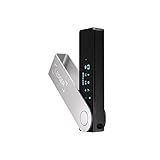
- Effortlessly build your crypto portfolio via the all in one Ledger Wallet app: buy, sell, send, receive, swap, stake and more across popular blockchains. 15,000+ coins & tokens in a single dashboard. Keep a close eye on the market. Compare service providers. Track performance. Get timely alerts. Build your portfolio with confidence.
- Enjoy Bluetooth connectivity, iOS access, and hours of battery use with this mobile-first, secure backup signer. Freedom you can depend on.
- Genuine Check: confirm your signer is authentic during setup with the Ledger Wallet app.
- Protect your signer: keep it in mint condition at all times with a bespoke Pod or Case to avoid scratches and everyday wear and tear.
- Confirm the exchange and legal entity serve your jurisdiction.
- Map your full buy, hold, and withdrawal path.
- Read who controls the keys and what happens if the provider fails.
- Check account-security and recovery features.
- Verify the exact asset, pair, payment method, and withdrawal network.
- Assess liquidity for your pair and order size.
- Choose an interface and support model you can use reliably.
Do not treat a registration, a large volume claim, or a low advertised trading fee as a complete safety or value assessment.
1. Is the exchange available and permitted where I live?
Availability is a first filter. A platform may offer different products, legal entities, limits, or withdrawal options in different countries, states, or provinces.
The Tool Desk
Outbyte Driver Updater FREEFix the driver behind crashes, sound loss and screen glitchesFind Drivers →Outbyte PC Repair FREEClear out junk files and repair common Windows errorsFree Scan →Identify the legal entity that would hold your account, not just the brand name on an app. Read the service’s current country list, terms, onboarding disclosures, and restrictions for your address. Then check the relevant financial regulator’s public register where one exists. The SEC advises investigating a custodian’s background and regulatory status, while noting that registration or a license is only one due-diligence input—not proof that assets are risk-free. See the SEC investor bulletin on crypto-asset custody.
Availability can also change after you open an account. A service might restrict a particular token, fiat currency, staking product, or withdrawal method in your region while leaving the account itself active. Save the current terms and check notices before a large deposit or transfer.
2. What is the exchange’s total cost for my transaction?
Compare the cost of a complete transaction, not a headline trading percentage. The amount you pay can include the trading charge, the difference between the quoted price and the market price (the spread), deposit or payment costs, and fiat or crypto withdrawal and network-transfer charges.
Use a worksheet for your own route:
| Cost element | Question to answer |
|---|---|
| Trading charge | What fee applies to your order type, volume tier, and region? |
| Spread or quoted-price markup | How far is the price you receive from the price you expected? |
| Funding | Is there a charge for your bank transfer, card, or other deposit method? |
| Withdrawal | What does the service charge to send fiat or crypto out? |
| Network transfer | Is a blockchain fee included, variable, or passed through separately? |
| Exit cost | What will it cost to sell and withdraw, not merely to buy? |
Details checked November 2026.
The SEC specifically identifies transaction and asset-transfer fees as costs investors should investigate. A selection guide from Kraken also highlights trading, deposit, and withdrawal charges, but its figures and descriptions are vendor-authored and can become outdated. Check the current schedule for your jurisdiction and account tier immediately before transacting.
PC Slower Than It Used to Be?
A free scan shows the junk files, broken settings and background clutter dragging Windows down - then fixes them in one click.Free scan · Windows 10 & 11Crashes, No Sound, or Screen Glitches?
Random freezes, missing sound and display glitches usually trace back to one bad driver. Find and replace yours safely.Free scan · under a minuteAlso popular on Amazon

- Seedless by design, nothing to steal: Your private key is generated inside the EAL6+ chip and never leaves it. No seed phrase is shown or typed at setup, so a tampered device, keylogger, or phishing site has nothing to capture. 9+ years, millions of cards, no known remote hacks.
- Tap once to manage your entire crypto wallet across 90 blockchains - no USB cables or Bluetooth, no batteries, no setup. Access 16,100+ coins & tokens, DeFi, NFTs, and staking instantly from your phone
- Backup without a seed phrase: Your wallet is copied to 2 backup cards with end-to-end encryption, so there are no words on paper to lose or leak. Keep them in separate places; if one card is lost, the others restore full access. Optional seed phrase for advanced users.
- Engineered to last up to 25 years: Waterproof (IP69K), shockproof and tested for extreme temperatures from −25°C to 50°C. A durable cold wallet with long‑term protection and independently audited security.
- Trusted by 6 million users worldwide (4.9 App Store, 4.8 Google Play) - buy, sell, swap, stake, and spend cryptocurrency directly. The secure offline storage wallet designed for how people actually use crypto wallets
For a realistic comparison, write down the amount you plan to deposit, the asset and pair, whether you will use a market or limit order, the expected holding period, and the destination wallet or bank. Calculate the all-in cost for both the purchase and the exit. A platform with the lowest trading charge can be more expensive overall if its spread, funding route, or withdrawal charge is higher.
3. Who controls the keys, and what happens if the exchange fails?
On a custodial exchange, the provider generally controls access to the private keys while you hold a claim to the assets through your account. That can be convenient, but a hack, shutdown, operational failure, or bankruptcy can interrupt access or result in loss.
Read the custody section of the terms for answers to these questions:
- Does the provider hold the private keys, or can you withdraw to a wallet you control?
- Are customer assets segregated, or can they be lent, rehypothecated, or commingled?
- What legal claim do customers have if the provider becomes insolvent?
- Which assets, events, and limits does any insurance cover?
- Can withdrawals be paused, and what notice or process applies?
Insurance language requires precision. Coverage may apply to a narrow event or a particular class of assets and may not reimburse losses from market movements, user mistakes, lost credentials, or every type of theft. Do not infer protection from a logo, a marketing statement, or the existence of a regulated entity; read the actual policy and customer agreement.
Do these 3 things before closing this tab:
1Repair Windows errors before they cause bigger problems2Scan for outdated or missing drivers - takes under a minute3Clear out junk files and repair common Windows errorsSelf-custody changes the risk rather than removing it. You control the keys, so the provider’s failure is less relevant to access, but you become responsible for securing the wallet and recovery material. The SEC Office of Investor Education and Assistance states in its December 12, 2025 bulletin: “If you lose your private key, you permanently lose access to the crypto assets in your wallet.” The bulletin is staff guidance, not a rule or regulation, and has no legal force or effect.
4. Which security and account-recovery controls matter?
Look for strong password requirements, multifactor authentication, phishing-resistant account protections where offered, withdrawal controls, transparent incident disclosures, and a documented recovery process. No single feature eliminates platform, credential, or custody risk.
Also popular on Amazon

- Seedless by design, nothing to steal: Your private key is generated inside the EAL6+ chip and never leaves it. No seed phrase is shown or typed at setup, so a tampered device, keylogger, or phishing site has nothing to capture. 9+ years, millions of card.
- Tap once to manage your entire crypto wallet across 90 blockchains - no USB cables or Bluetooth, no batteries, no setup. Access 16,100+ coins & tokens, DeFi, NFTs, and staking instantly from your phone
- Backup without a seed phrase: Your wallet is copied to 2 backup cards with end-to-end encryption, so there are no words on paper to lose or leak. Keep them in separate places; if one card is lost, the others restore full access. Optional seed phrase for advanced users.
- Engineered to last up to 25 years: Waterproof (IP69K), shockproof and tested for extreme temperatures from −25°C to 50°C. A durable cold wallet with long‑term protection and independently audited security.
- Trusted by 6 million users worldwide - buy, sell, swap, stake, and spend cryptocurrency directly. The secure offline storage wallet designed for how people actually use crypto wallets
Before depositing, inspect the security settings and recovery instructions. Confirm how a lost phone, compromised email address, or suspected account takeover is handled; how long withdrawals may be restricted after security changes; and which identity checks support must complete. Use a unique password and enable multifactor authentication. Never share a private key, seed phrase, one-time code, or remote-access session with someone claiming to be support.
Review how the service communicates incidents. A clear status page, dated notices, and specific instructions are more useful than a generic statement that assets are “secure.” Treat unexpected messages, urgent withdrawal requests, and links sent through social media as potential phishing attempts; navigate to the official site or app yourself.
Quick wins for a faster PC:
Repair Windows errors before they cause bigger problemsFix Now →Fix the driver behind crashes, sound loss and screen glitchesFind Drivers →Clear out junk files and repair common Windows errorsFree Scan →5. Does it support my exact asset and transfer route?
Verify the complete path from funding to withdrawal. A token listed somewhere on a platform does not prove that the same asset, pair, network, or feature is available to every user in every region.
Confirm all of the following before sending money:
- The exact asset name and contract or network, where relevant.
- The trading pair you need, such as an asset against a particular fiat currency or stablecoin.
- The account region and verification level required for that pair.
- The funding method and any minimums, holds, or settlement times.
- The withdrawal network supported by both the exchange and the destination wallet.
- The minimum withdrawal amount and the current fee.
Network mismatches can make funds inaccessible. Copy the destination address carefully, select the matching network on both sides, and follow the recipient’s instructions. For a significant transfer, a small test transaction can reduce the chance of an irreversible mistake, although it does not eliminate smart-contract, address, or platform risk.
Supported-asset pages and fee schedules are volatile. Recheck them at the time you trade rather than relying on an old comparison article or a search-result snippet.
6. How important is liquidity for my order?
Liquidity affects how quickly an order can execute and how closely the execution price may track the displayed market price. Evaluate the specific pair and your order size, not just a platform-wide volume ranking.
Also popular on Amazon

- EAL5+ CERTIFIED SECURE ELEMENT + FINGERPRINT PROTECTION — Your private keys stay encrypted offline on a certified EAL5+ chip, the same security tier used in EMV bank cards. Built by DCENT, securing crypto since 2018. Fingerprint authentication adds a second layer no PIN-only wallet can match.
- 10,000+ ASSETS NATIVE ON 100+ BLOCKCHAINS — Hold Bitcoin, Ethereum, XRP, Solana, Cardano, popular stablecoins (USDT, USDC), and NFTs in one wallet. No third-party apps, no fragmented setup — every supported asset works straight out of the box.
- TAP-TO-SIGN MOBILE EXPERIENCE — Pair your wallet with the DCENT mobile app over Bluetooth. Manage tokens, review transactions, and access in-app swap features directly from your phone — no cables, no desktop required.
- WEB3 & dAPP ACCESS VIA METAMASK — Connect to MetaMask and other browser extension wallets to manage NFTs, claim airdrops, and access dApps. A large screen and intuitive 4-button interface keep every transaction clearly visible before you sign.
- SEAMLESS FIRMWARE UPDATES & 30-DAY MONEY-BACK GUARANTEE — Apply security updates without resetting your wallet or migrating funds. Backed by Amazon's 30-day money-back guarantee — your purchase is risk-free.
A vendor-authored Kraken guide explains that higher liquidity can mean tighter spreads and faster execution, particularly for larger trades. Treat that as a general selection concept, not as independent proof of any current exchange’s depth. No current, independently verified comparison of order books is provided.
Ask whether the order book for your pair is active at the time you normally trade. Consider the difference between a small recurring purchase and a large market order: the latter may consume available offers and receive several execution prices. A limit order can set a maximum purchase or minimum sale price, but it may not fill. Read the platform’s order-type explanations and understand cancellation rules before using them.
7. Is the interface and customer support suitable for me?
The right interface depends on what you plan to do. A beginner who makes occasional purchases may value clear order previews, deposit instructions, and recovery help; an active trader may need more order controls and reliable account-status information.
Evaluate the actual workflow for your use case:
- Can you see the total cost before confirming an order?
- Are balances, open orders, deposits, and withdrawals clearly separated?
- Does the service explain network choices in plain language?
- Are support channels available in your time zone and language?
- Is there a documented escalation path for a failed deposit or locked account?
Kraken’s educational guide lists user experience and customer support among the factors to compare, but support availability and response commitments are service-specific. Check the current help center and terms rather than assuming that an app, chat icon, or social-media account guarantees rapid recovery.
How can I compare two exchanges without relying on a ranking?
Use the same fact pattern for both candidates and reject any service that fails a must-have requirement. A simple worksheet makes hidden trade-offs visible.
- Record jurisdiction details. Write the legal entity, regulator information, permitted products, and any regional restrictions.
- Model your transaction. Enter the deposit method, amount, asset, pair, order type, expected exit, and destination. Record every fee and the displayed quote.
- Read custody terms. Note key control, segregation, lending or commingling language, insurance exclusions, withdrawal pauses, and insolvency provisions.
- Audit account protection. Confirm password, multifactor, withdrawal, phishing, notification, and recovery controls before funding the account.
- Verify transfer compatibility. Match the asset, pair, network, minimums, and destination requirements.
- Consider execution. Examine pair-level liquidity and whether the order tools fit your size and experience.
- Check support. Save the official contact route and read the recovery process for common problems.
Mark each item as confirmed, unclear, or unacceptable. “Unclear” is a reason to ask support or keep looking, not an invitation to guess.
Also popular on Amazon
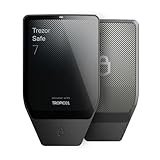
- Dual-chip architecture for maximum protection: The next-gen, fully auditable TROPIC01 chip works alongside a certified EAL6+ Secure Element—completely NDA-free—to deliver radically transparent, industry-leading defense against physical attacks.
- Quantum-ready security: Get protection against future threats with the first-ever hardware wallet designed with quantum-ready architecture.
- See every detail with confidence: Our largest high-resolution color touchscreen makes it easy to navigate your assets, review transactions and manage your coins with clarity.
- Wireless freedom with encrypted Bluetooth control: Manage, buy, swap and stake securely using Trezor Suite on desktop or mobile. Qi2-compatible wireless charging keeps your Trezor powered up. No cables required—security meets convenience.
- Works seamlessly with Android, iOS and desktop: Connect wirelessly or via USB-C to your phone or computer. Manage your crypto anywhere with our companion Trezor Suite app.
What are the most common exchange-selection mistakes?
- Choosing by a single fee. A low trading charge can be offset by a spread, payment fee, or withdrawal cost.
- Assuming global availability. Products and permissions can differ by country and can change after signup.
- Confusing a listing with a usable transfer. The asset may be tradable but unavailable for your account or unsupported on the network your wallet uses.
- Treating regulation as a safety guarantee. Oversight is useful due diligence, not protection against every loss.
- Ignoring custody failure scenarios. Read what happens during a hack, shutdown, withdrawal pause, or bankruptcy.
- Sending a large first transfer. Confirm the route and consider a small test transfer before committing more.
- Sharing recovery secrets. Support should not need your private key or seed phrase.
- Using stale comparisons. Fees, supported assets, permissions, and networks are volatile; recheck current terms.
Should I use an exchange or self-custody?
An exchange can simplify buying, selling, and fiat funding, while self-custody gives you direct control of the keys. The trade-off is convenience versus responsibility: with self-custody, losing or compromising the key or recovery phrase can permanently block access.
A cold wallet is typically a physical device used to keep keys offline. It is an optional custody alternative, not a requirement for choosing an exchange. Physical devices cost money and introduce practical risks such as loss, damage, incorrect setup, and poor recovery-phrase protection. Choose self-custody only if you can secure the recovery material and follow the wallet’s instructions without sharing it.
When should I recheck an exchange before using it?
Recheck jurisdiction, fees, supported assets, withdrawal networks, custody terms, and security notices immediately before a material deposit or transfer. These details are changeable, and an old review cannot establish what is available in November 2026 or in your particular region.
Keep a dated copy of the fee schedule and relevant terms for your records. If the service changes a network, pauses withdrawals, or alters regional access, stop and confirm the new route before sending funds.
How we picked the decision factors
The framework follows comparison axes identified in the SEC custody bulletin and the Kraken guide: local availability and permissions; total cost; custody, failure, and insurance terms; exact assets and transfer routes; liquidity and execution for the relevant pair and order size; and security, recovery, usability, and support. The SEC custody bulletin is the primary source for key control, custody risks, fees, cold-wallet trade-offs, and basic account protection. The Kraken guide is a vendor-authored source for common exchange-selection concepts, so its company-specific claims are treated as promotional and are not used as independent rankings.
Frequently Asked Questions
Can I use an exchange while traveling abroad?
Do not assume that travel changes your account eligibility. A service may apply the country on your verified profile, your current location, or product-specific rules; check its current terms and contact support before trading or attempting a withdrawal from abroad.
Recommended Free Tools
What should I do if an exchange pauses withdrawals?
Check the platform’s official status notice and preserve records of the transaction, asset, network, and destination. Use the documented support and escalation route, and avoid sending additional funds until you understand whether the pause is network-wide, asset-specific, account-specific, or related to maintenance.
Is it safer to split assets between two exchanges?
Using more than one custodian can reduce dependence on a single provider, but it also creates extra passwords, verification records, fee schedules, and withdrawal routes to manage. Only do this if you can secure and monitor each account and still meet your intended transfer needs.
How can I confirm that a support message is genuine?
Open the exchange through a saved, official bookmark or the official app instead of clicking a message link. Genuine support should not ask for your private key, seed phrase, multifactor code, or remote control of your device; when in doubt, start a new ticket through the published help center.




