There is no single best dental insurance company for everyone. The best choice is the specific plan available in your ZIP code that covers the services you expect, includes your dentist in the right network, has an acceptable waiting period, and leaves you with a reasonable total cost after premiums, deductibles, coinsurance, annual maximums, and exclusions.
For most shoppers, the strongest starting points are Delta Dental for network access, Spirit Dental and selected plans from Ameritas, UnitedHealthcare, Anthem, or Humana when treatment is needed quickly, Cigna and selected employer or FEDVIP plans for orthodontia, and Aetna DMO or another DHMO for low premiums and predictable copays. Those are starting points—not universal winners. Benefits, underwriting companies, networks, prices, and availability vary by state, ZIP code, age, and enrollment channel.
As an Amazon Associate I earn from qualifying purchases.
Best dental insurance companies at a glance
The company name matters less than the exact policy. The table below identifies plan families worth investigating, followed by the limitations that could change the recommendation.
What’s actually slowing this PC down?
Pick the symptom - the matching free tool is one click away.
| Best fit | Companies or plan families to investigate | Why they stand out | Main limitation |
|---|---|---|---|
| Largest network and keeping an existing dentist | Delta Dental | Delta says it has the largest dental network and coverage in all 50 states, Washington, D.C., Puerto Rico, and other U.S. territories. | Delta Dental is a federation of 39 independent companies, not one national plan. Network and benefits depend on the local company and exact plan. |
| No waiting period for treatment needed soon | Spirit Dental; selected Ameritas, UnitedHealthcare, Anthem, and Humana plans | Spirit advertises no waits for preventive, basic, and major services on its main individual plans. | No waiting period does not guarantee coverage for implants, missing teeth, orthodontia, treatment already in progress, or the full cost of care. |
| Conventional individual PPO | Guardian, Cigna, Humana, Aetna, Anthem, and local Delta plans | These carriers offer mainstream PPO designs with negotiated in-network fees and varying preventive, basic, and major-service benefits. | Waiting periods, annual maximums, reimbursement tiers, and provider networks are highly plan-specific. |
| Orthodontia | Cigna Dental 1500; selected Delta, Guardian, Anthem, Spirit, employer, and FEDVIP plans | Cigna Dental 1500 advertises a $1,000 lifetime orthodontia maximum. Employer and federal plans may be materially richer. | A $1,000 lifetime maximum may cover only a small part of braces or Invisalign. Adult eligibility, waiting periods, and age limits vary. |
| Low premium and predictable copays | Aetna DMO or another local DHMO | Aetna lists a DMO starting at about $17 per month in its current examples, with fixed in-network copays and no conventional annual maximum in the example schedule. | DMOs generally restrict dentist choice, may require a primary-care dentist and referrals, and often provide no out-of-network benefit. |
| High annual maximum | Spirit; selected Humana and Cigna plans; Denali where available | Spirit advertises annual maximums up to $5,000. Some other plans advertise higher maximums than standard $1,000-to-$1,500 designs. | A high maximum does not overcome a waiting period, low reimbursement, exclusions, a narrow network, or high premiums. Availability must be checked locally. |
| Federal employee, Postal Service, or eligible uniformed-services enrollee | MetLife FEDVIP, Delta Dental FEDVIP, UnitedHealthcare FEDVIP, and other FEDVIP options | MetLife’s 2026 highlights advertise no waiting periods, unlimited annual benefits, orthodontia, and more than 478,000 dentist locations. | FEDVIP coverage is restricted to eligible participants and should not be used to characterize MetLife’s ordinary individual or employer plans. |
| Medicare beneficiary | Medicare Advantage dental benefits, a separate individual dental plan, Medicaid if eligible, or cash-pay care | Medicare Advantage plans may include dental benefits that Original Medicare generally does not provide. | Networks, annual allowances, covered procedures, and limits vary by Medicare Advantage plan. Original Medicare generally does not cover routine dental care. |
These are category-based recommendations rather than an objective ranking. A plan from a company lower on this list can be the better choice if it includes your dentist and covers the treatment you actually need.
#1 Best Overall

- The C2 Optimal Plaque brush head with soft, flexible, stain-removal bristles helps whiten and polish your teeth; it also removes up to 700% better plaque than a manual toothbrush
- Electric toothbrush for adults providing gentle yet effective cleaning: the Advanced Sonic Technology pulses fluid between teeth and along the gumline for even more effective oral care
- Safe and gentle electric toothbrush with pressure sensor: if you apply too much pressure, the handle will pulse slightly, reminding you to ease off the pressure, protecting your teeth and gums
- Optimize your routine: EasyStart for a gradual, gentle increase in brushing power, SmarTimer informing when you've reached 2 minutes, and QuadPacer to brush each section of a mouth for 30 seconds
- Brush head replacement reminder tracks how often and how hard you brush, then notifies you when it's time to replace the brush head once it's time; dental professionals recommend changing your brush head regularly
The best dental insurance company depends on your situation
Best for the largest network: Delta Dental
Delta Dental is the logical first network check for someone who wants to keep a current dentist or needs access to multiple specialists. Delta says approximately three out of four U.S. dentists participate in its networks and reports coverage across all 50 states and other U.S. territories.
That does not mean every dentist accepts every Delta plan. Delta Dental is made up of 39 independent member companies. A dentist can participate in one Delta network but not another, and an office that accepts Delta employer coverage may not accept a Delta individual plan. Delta also offers different products, including PPO, Premier, PPO Plus Premier, DHMO, managed-care, and discount plans, depending on location.
Best use: Start with Delta when network breadth or keeping an existing dentist is your priority. Verify the exact plan name and network with both Delta and the dental office before enrolling.
Outdated Drivers Are Slowing You Down
One free scan finds every outdated or missing driver and matches the right update for your exact hardware.Free scan · exact hardware matchPC Slower Than It Used to Be?
A free scan shows the junk files, broken settings and background clutter dragging Windows down - then fixes them in one click.Free scan · Windows 10 & 11Best for a conventional individual PPO: Compare Guardian, Cigna, Humana, Aetna, Anthem, and Delta plans
There is no reliable national winner among conventional individual PPOs because the same brand can sell substantially different policies in different states. A good PPO usually offers a broad choice of dentists, negotiated in-network fees, and some out-of-network reimbursement. The trade-offs are typically a deductible, coinsurance, an annual maximum, and possible waiting periods.
Guardian is a strong conventional-PPO candidate for shoppers who value a mainstream network and possible benefit growth. Guardian says preventive services have no waiting period, while basic services can have waits of six months or less and some major services, implants, root canals, crowns, and children’s braces can have 12-month waits. Guardian also says many plans increase the annual maximum in years two and three and describes a $50 deductible for nonpreventive care in its general individual-plan explanation. Those features are not universal; Guardian’s policy documents and state availability control.
Cigna Dental 1500 is worth comparing when a shopper wants a recognizable PPO with a stated $1,500 annual benefit maximum and a $1,000 lifetime orthodontia maximum. Its advertised deductible is $50 for an individual and $150 for a family for basic and major restorative services, and it does not require referrals. Cigna lists a $39 average monthly premium based on national average rates as of October 2025, not a quote for every applicant. The cited product is not available in every state, including New Mexico.
Humana Complete Dental provides an example of a loyalty-style plan: 100% preventive, 80% basic, and 50% major in-network coverage, a $50 individual or $150 family deductible, and a $1,250 annual maximum in year one that rises to $1,500 in later years. It has no preventive waiting period and a six-month wait for certain services, potentially waived after qualifying prior comprehensive coverage. Humana also sells other designs, including one with a much higher advertised annual maximum and different waiting periods. Humana reports more than 135,000 dentists and specialists in its network, based on network data last accessed in October 2024, but a national count does not establish local appointment availability.
Quick wins for a faster PC:
Clear out junk files and repair common Windows errorsFree Scan →Scan for outdated or missing drivers - takes under a minuteDriver Scan →Repair Windows errors before they cause bigger problemsFix Now →Aetna offers both PPO and DMO designs. Its current direct-plan examples list starting prices of approximately $22 per month for Core PPO, $26 for Preferred PPO, and $29 for Preferred 2000 PPO. Example PPO annual maximums range from $1,000 to $2,000, with a $50 individual or $150 family deductible. These are starting examples, not universal rates.
Anthem can be worth checking when out-of-network flexibility is important. For example, Anthem’s California Essential Choice PPO page describes no waiting period for diagnostic and preventive care and a three-month wait for basic services in that example design. Anthem’s products differ by state, so a California benefit page cannot be applied nationally.
Best for no waiting period: Spirit Dental, with careful plan-document verification
Spirit Dental is the clearest starting point for a shopper who needs preventive, basic, or major treatment soon. Spirit advertises no waiting periods for those service categories on its main individual plans, next-day or near-immediate effective dates in eligible circumstances, and annual maximums from $1,500 to $5,000. It also advertises a $100 lifetime deductible and plans with starting prices such as $16.09 for Preventive Plus PPO 1500, $23.93 for Core PPO 1200, and $32.75 for Pinnacle PPO 5000.
Those are advertised starting prices and plan features, not guaranteed quotes. State availability, first-year reimbursement, benefit increases, enrollment rules, and orthodontic terms still matter. Spirit says orthodontic waiting periods can vary by state and plan even when other waiting periods do not apply. For the cited product, Spirit materials identify Ameritas Mutual Holding Company as the underwriter and administrator, so the legal carrier and plan documents should be recorded when comparing policies.
Do these 3 things before closing this tab:
1Fix the driver behind crashes, sound loss and screen glitches2Repair Windows errors before they cause bigger problems3Scan for outdated or missing drivers - takes under a minuteSelected Ameritas PrimeStar, UnitedHealthcare/Golden Rule, Anthem, and Humana products may also have no or short waiting periods. Do not assume the feature applies to every plan sold under those brands. Ameritas materials surfaced for different products and distribution channels show conflicting availability information: one current brochure identifies Connecticut, Illinois, and New Jersey, while other comparison material describes broader availability. Check the live quote flow and state policy documents rather than relying on a nationwide statement.
UnitedHealthcare’s individual dental plans are often underwritten by Golden Rule Insurance Company. UnitedHealthcare says individual PPO annual maximums can range from $1,000 to $3,000 and that plans may impose waits of four to 12 months for some services. The underwriting entity, network, and exact certificate matter.
Best for immediate implants or dentures: a no-wait plan only after confirming the procedure
Spirit and selected other no-wait plans are reasonable places to look if a dentist has recommended an implant or denture. But the phrase no waiting period is not enough to make a plan suitable. Ask whether the plan covers the specific parts of treatment:
- Extraction and imaging.
- Bone grafting or a sinus lift.
- Implant placement.
- Abutment.
- Crown or other final restoration.
- Temporary restoration.
- Replacement implants.
- A tooth missing before enrollment.
Some policies cover only certain implant components, impose an implant-specific waiting period or limit, exclude teeth missing before enrollment, or apply an alternate-benefit provision that pays a bridge or denture allowance instead of the implant recommended by the dentist. The American Dental Association explains that missing teeth and customary-fee limitations can materially reduce what a patient receives.
Best for orthodontia: compare the lifetime maximum, not just the insurer
Cigna Dental 1500 is a visible individual-market option because it advertises a $1,000 lifetime orthodontia maximum. That can be useful, but it may pay only a small portion of a full course of braces or Invisalign. Cigna also says orthodontic waiting periods are not eligible for its prior-coverage waiver.
Selected Delta, Guardian, Anthem, and Spirit plans may cover orthodontia, while employer plans and FEDVIP options can be richer than ordinary individual policies. MetLife’s 2026 FEDVIP highlights advertise adult and child orthodontia, no waiting periods, unlimited annual benefits, and no in-network deductible. Those benefits apply to eligible FEDVIP participants—not automatically to every MetLife policy.
Before choosing orthodontic coverage, verify:
- Adult versus child eligibility.
- Whether the plan covers traditional braces, Invisalign, or both.
- Whether treatment must begin after enrollment.
- The separate lifetime orthodontic maximum.
- Any orthodontic deductible or waiting period.
- Age limits and cosmetic-versus-medically-necessary rules.
- Whether payments are made monthly while treatment continues.
- What happens if you change insurers during active treatment.
Best for low monthly premiums: Aetna DMO or another DHMO
Aetna’s current direct-plan page lists a DMO starting at approximately $17 per month. Its example DMO uses fixed in-network copays and has no annual maximum in the conventional PPO sense. The example also does not cover orthodontics.
A low-premium DMO or DHMO can work well for someone who is comfortable selecting from a restricted network and wants predictable charges. It may require choosing a primary-care dentist, receiving referrals for specialists, and using only participating providers. Many DMO designs provide no out-of-network benefit.
Best use: A DMO is often a good fit for routine care when a nearby participating dentist is acceptable. It is a poor fit if you want to keep a dentist who is outside the network or need a particular oral surgeon, endodontist, periodontist, or orthodontist.
Best for adults with preventive-only needs: compare cash pay, a discount plan, and a low-cost policy
An adult expecting only two cleanings, exams, and routine X-rays should not automatically buy insurance. Add 12 months of premiums, any enrollment fee, and the cost of uncovered or frequency-limited services. Then compare that total with the dentist’s cash price or an in-office membership plan.
A low-cost DMO may be worthwhile if its copays are low and the dentist is convenient. A PPO may provide more choice but cost more than the preventive services it pays for. A dental discount plan can also be competitive, especially when the reader needs immediate access and has a participating dentist.
Best for major restorative work or a high annual maximum: compare Spirit and selected high-limit plans
Spirit advertises annual maximums up to $5,000. Selected Humana and Cigna products also offer higher maximums than basic plans, and some Denali materials advertise limits up to $6,000 in locations where those plans are available. Treat all high-maximum claims as plan- and state-specific.
The Tool Desk
Outbyte PC Repair FREEClear out junk files and repair common Windows errorsFree Scan →Outbyte Driver Updater FREEFix the driver behind crashes, sound loss and screen glitchesFind Drivers →A high annual maximum is useful only if the plan covers the needed procedure, the waiting period has been satisfied or waived, and the reimbursement percentage is adequate. A policy paying 50% of eligible major care can reach a $5,000 maximum only after the insurer has paid a substantial amount; it does not make $5,000 of dental treatment free.
Best for out-of-network flexibility: PPO or indemnity coverage
A PPO generally offers the broadest practical choice while still providing negotiated in-network rates. Some PPOs pay something out of network, but the reimbursement may be based on an allowed or customary amount rather than the dentist’s actual charge. The patient can owe both the coinsurance and the difference between the dentist’s charge and the plan’s allowed amount.
Indemnity coverage can offer even broader dentist choice but often costs more and may use a fee schedule that leaves a larger balance. A PPO or indemnity plan is usually preferable to a DMO for rural patients, people who use specialists, or anyone unwilling to change dentists.
Rank #2
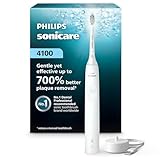
- The C2 Optimal Plaque brush head with soft, flexible, stain-removal bristles helps whiten and polish your teeth; it also removes up to 700% better plaque than a manual toothbrush
- Electric toothbrush for adults providing gentle yet effective cleaning: the Advanced Sonic Technology pulses fluid between teeth and along the gumline for even more effective oral care
- Safe and gentle electric toothbrush with pressure sensor: if you apply too much pressure, the handle will pulse slightly, reminding you to ease off the pressure, protecting your teeth and gums
- Optimize your routine: EasyStart for a gradual, gentle increase in brushing power, SmarTimer informing when you've reached 2 minutes, and QuadPacer to brush each section of a mouth for 30 seconds
- Brush head replacement reminder tracks how often and how hard you brush, then notifies you when it's time to replace the brush head; dental professionals recommend changing your brush head regularly
Best employer dental plan: the plan with the best employer contribution and treatment fit
Employer and union coverage should be checked before buying an individual policy. An employer plan may have a lower employee premium, a larger annual maximum, richer orthodontia, a broader local network, and automatic waiting-period waivers based on prior group coverage. It may also differ significantly from the same insurer’s direct-to-consumer plan.
Check your own employer plan, a spouse’s employer plan, and any retiree coverage before shopping directly. Compare the Summary of Benefits, certificate, network, annual maximum, orthodontic terms, and employee contribution—not just the insurance company’s name.
Best for federal employees and eligible military or Postal Service participants: compare FEDVIP separately
FEDVIP is not ordinary individual dental insurance. Eligible federal employees, retirees, Postal Service employees, and certain uniformed-services participants should compare the available FEDVIP plans during the applicable enrollment process. MetLife, Delta Dental, UnitedHealthcare, and other carriers participate, and their federal benefits can be materially different from their commercial products.
For example, MetLife’s 2026 FEDVIP highlights advertise no waiting periods, 100% in-network preventive coverage, no in-network deductible, unlimited annual benefits, adult and child orthodontia, and more than 478,000 dentist locations. Confirm eligibility, the current plan year, and the exact provider network before using those features in a personal comparison.
Best for Medicare beneficiaries: evaluate Medicare Advantage, separate dental coverage, and cash pay
Original Medicare generally does not cover routine cleanings, fillings, extractions, dentures, or implants. Medicare Advantage plans may add dental benefits, but each plan sets its own network, annual allowance, covered services, frequency limits, and restrictions. Medigap generally does not cover routine dental care.
A Medicare beneficiary should compare the dental benefit inside a Medicare Advantage plan with a separate individual dental plan and local cash prices. Do not value a Medicare Advantage dental allowance at its full face amount unless the needed dentist and procedures qualify under the plan’s rules.
What dental insurance usually covers
Most dental plans divide services into preventive, basic, major, and orthodontic categories. The categories are not standardized. Insurers can classify the same procedure differently, and the plan document controls.
| Category | Common examples | Typical cost-sharing pattern | What to verify |
|---|---|---|---|
| Preventive | Exams, cleanings, bitewing X-rays, fluoride, and sealants | Often covered at a high percentage in network, sometimes with no waiting period | Frequency, age, coding, network status, and whether additional X-rays count as preventive |
| Basic | Fillings, simple extractions, and some periodontal treatment | Often subject to a deductible and coinsurance; waiting periods are common | Composite-filling downgrades, periodontal classifications, waiting period, and annual maximum |
| Major | Crowns, bridges, dentures, root canals, oral surgery, and implants when covered | Often lower reimbursement, such as 50%, plus a deductible and possible waiting period | Procedure exclusions, missing-tooth language, alternate benefits, implant components, and benefit-year maximum |
| Orthodontia | Braces, retainers, and sometimes Invisalign | Usually subject to a separate lifetime maximum, eligibility rules, and sometimes a waiting period | Adult coverage, age cutoff, treatment-in-progress rules, Invisalign treatment, and lifetime limit |
The ADA notes that plans may place procedures into different reimbursement tiers and may use customary-fee schedules that are not publicly disclosed. Therefore, a service can be technically covered while the allowed amount is substantially below the dentist’s bill.
Annual maximums: the dental-insurance feature shoppers most often misunderstand
An annual maximum is the most the insurer pays toward covered dental services during the relevant benefit year. It is not an annual out-of-pocket maximum. After the insurer reaches the limit, the member generally pays the remaining eligible expenses.
Free tools Windows power users keep installed
One-click scans. No signup required.
For example, a $1,500 annual maximum does not provide $1,500 of free dental care. The patient may first pay a deductible and coinsurance, and only the insurer’s payments count toward the $1,500. A crown, root canal, or implant can use much of the maximum while leaving the patient responsible for the rest of the bill.
The Government Accountability Office describes annual maximums as a defining feature of dental coverage and notes that consumers may pay 100% of additional expenses after the maximum is exhausted. Separately, the ADA Health Policy Institute reported that 3.4% of dental patients reached a typical annual maximum in 2024, while another 3.3% came within $100 of common $1,000 or $1,500 limits. That statistic describes the ADA’s studied patient population, not every plan or household.
Also check whether the plan uses a calendar year, a benefit year beginning on the effective date, a rolling 12-month period, or an annual maximum that increases in later years.
Waiting periods and prior-coverage waivers
Waiting periods commonly apply to basic, major, implant, denture, or orthodontic services rather than preventive care. Examples include:
Recommended Free Tools
- Guardian says basic services may have waits of six months or less, while some major services and children’s braces may have 12-month waits.
- Cigna says many plans use six months for basic and 12 months for major care. Some qualifying prior coverage can waive certain waits, but orthodontic and implant waits are not eligible for that waiver for the cited Dental 1500 product.
- Humana Complete Dental describes a six-month wait for certain care that may be waived after 12 continuous months of prior comprehensive coverage.
- Spirit advertises no waiting periods for preventive, basic, and major services on selected plans, but orthodontic terms can vary.
A qualifying prior-coverage waiver may require a specific length of previous coverage, coverage that included major services, no more than a specified gap—Cigna cites no more than 63 days for the cited waiver—and proof such as a certificate of prior coverage. Never assume a waiver applies to implants or braces simply because it applies to crowns.
No waiting period does not mean: full reimbursement on day one, no deductible, no annual maximum, coverage for a tooth already scheduled for treatment, coverage for a missing tooth, coverage for every implant component, or orthodontic coverage.
PPO, DMO, DHMO, indemnity, and discount plans explained
PPO
A preferred provider organization generally gives you a broad choice of dentists. In-network dentists agree to negotiated fees, and the plan usually pays something out of network. Out-of-network care may involve a lower reimbursement, balance billing, or both. PPOs commonly use deductibles, coinsurance, frequency limits, and annual maximums.
DMO or DHMO
A dental maintenance organization or dental health maintenance organization generally charges a lower premium and uses a schedule of fixed in-network copays. It may have no conventional annual maximum because it is not paying a percentage of claims in the same way as a PPO. In return, you may have to select a primary-care dentist, use referrals, and stay inside a restricted network. Delta explains that DeltaCare requires a primary-care dentist from its network.
What’s actually slowing this PC down?
Pick the symptom - the matching free tool is one click away.
Indemnity
Indemnity coverage offers broad dentist choice but can cost more. It may reimburse according to a fee schedule or customary-fee amount, leaving you responsible for the difference between that amount and the dentist’s charge.
Discount plan
A dental discount plan is not insurance. It does not reimburse claims. Instead, you pay the dentist directly at a negotiated price. Discount plans commonly have no annual maximum, waiting period, or deductible because the plan is not paying a claim. They can be useful when you need care immediately, expect only routine services, or cannot find insurance without a long wait. The crucial question is whether your dentist participates.
How much does dental insurance cost?
Current advertised prices illustrate the range but are not national quotes. Humana says individual premiums may commonly run about $20 to $50 per month and family premiums about $50 to $150 per month. Aetna’s current direct-plan page lists starting examples of approximately $17 per month for a DMO, $22 for Core PPO, $26 for Preferred PPO, and $29 for Preferred 2000 PPO. Cigna lists a $39 average monthly premium for Dental 1500 based on national average rates as of October 2025. Spirit lists starting prices from $16.09 to $32.75 for selected plans.
For comparison, Forbes Advisor reported an average of $47 per month across selected plans using a 30-year-old woman in California. That is a methodology-specific sample, not a national rate.
Your actual premium can vary with:
- Age and state.
- ZIP code.
- Number of covered people.
- PPO versus DMO design.
- Annual maximum and reimbursement level.
- Orthodontic or implant benefits.
- Employer contribution.
- Payment frequency and state-specific rate approvals.
How to compare the real cost of dental plans
Use this formula rather than comparing premiums alone:
Annual premium + deductible + expected coinsurance or copays + out-of-network difference + noncovered services − expected insurer payments
Include enrollment fees, frequency limits, waiting-period exposure, the amount above the annual maximum, balance billing, and any employer contribution. The insurer’s percentage usually applies to its allowed amount, not necessarily the dentist’s retail charge.
Illustrative example 1: preventive-only adult
Assume a plan costs $30 per month and the member receives two in-network cleanings and exams. Annual premiums are $360. If all routine care is eligible and fully covered, the member may have little additional cost. But if the dentist’s cash price for the same care is $300, a cash-pay option could be cheaper. This is why preventive-only shoppers should request both prices.
Illustrative example 2: adult needing a crown
Assume a $39 monthly premium, a $50 deductible, and a hypothetical $1,200 allowed charge for a crown after a waiting period has been waived. At 50% coinsurance, the plan might pay about $600 and the member might owe about $600 plus the deductible and $468 in annual premiums—a total of roughly $1,118 before any other care. A cash discount, another plan, or delaying treatment until a benefit year resets could change the result. These figures are illustrative, not a prediction of a particular plan’s payment.
Rank #3

- 【Professional-Grade Cleaning with Enhanced Performance】Experience the ultimate upgrade with 5 customizable water flossing modes (High/Normal/Soft/Low/Pulse) – two more than standard models – for personalized gum care. The advanced sonic toothbrush generates 50,000 micro-vibrations per minute (30% more powerful than basic versions) for clinically proven plaque removal. Featuring premium matte-finish housing and medical-grade nozzles, this pro kit delivers tangible performance improvements that justify the $20 premium investment.
- 【Smart Design with Expanded Functionality】Our upgraded flosser boasts a 300ml reservoir (50% larger than entry-level kits) for uninterrupted cleaning sessions, complemented by optimized pulse technology that removes 99.9% of biofilm. The redesigned ergonomic handle features non-slip grip patterns and gold-accented controls, while the waterproof construction exceeds IPX7 standards through reinforced sealing technology.
- 【Customized Oral Care Ecosystem】Five precision brushing modes (Clean/White/Gum Care/Sensitive/Deep Clean) adapt to complex dental needs, outperforming standard 4-mode brushes. The intelligent pressure sensor prevents gum damage with real-time feedback – a premium feature absent in budget models. Includes 6 specialized tips (vs standard 4) with orthodontic and periodontal nozzles for comprehensive family care.
- 【Engineered for Long-Term Reliability】The upgraded kit demonstrates 40% longer lifespan in stress tests. The scratch-resistant casing maintains its premium appearance over time, while reinforced brush heads retain bristle integrity through 180 days of use. Enjoy peace of mind with our prioritized customer service channel for Pro users.
- 【Luxury Unboxing Experience】Presented in gift-ready packaging with magnetic closure, the kit includes a genuine travel case (vs standard nylon case) and accessory organizer. Every component reflects meticulous attention to detail – from the diamond-textured mode buttons to the platinum-coated USB port – making this the definitive choice for discerning customers who appreciate refined aesthetics and superior performance.
Illustrative example 3: child beginning orthodontic treatment
Assume a family pays $100 per month, orthodontic treatment costs $6,000, and the plan has a $1,000 lifetime orthodontic maximum with no deductible. The family could pay $1,200 in premiums plus approximately $5,000 of treatment, or $6,200 before other dental services. If the child is ineligible, treatment is already in progress, or the waiting period has not ended, the insurance payment could be lower or zero.
Illustrative example 4: implant
Assume an eligible implant-related allowed amount of $3,000, 50% coverage, a $1,500 annual maximum, a $100 deductible, and $35 monthly premiums. The annual maximum could cap the insurer’s payment at $1,500, leaving at least $1,500 of the allowed charge, the deductible, and $420 of premiums—about $2,020—before excluded grafting, imaging, or balance billing. This is why implant coverage must be reviewed component by component.
Independent reader supportYour contribution helps us test, update, and keep practical guides available for everyone.A seven-step process for choosing the right plan
- List expected treatment for the next 12 to 24 months. Include cleanings, X-rays, fillings, root canals, crowns, extractions, dentures, implants, periodontal treatment, oral surgery, braces, and Invisalign.
- Check available coverage in the right order. Review your employer or union plan, a spouse’s employer plan, retiree or federal coverage, Medicare Advantage or Medicaid eligibility, direct individual plans, Marketplace dental plans, and discount or cash-pay options.
- Verify the exact dentist network. Use the insurer’s live provider directory, then call the dental office. Ask whether it accepts the exact plan name and network, is accepting new patients, and participates in the individual plan rather than only an employer product.
- Check specialists. Confirm network status for the endodontist, oral surgeon, periodontist, prosthodontist, orthodontist, and any laboratory or facility likely to be involved.
- Obtain the policy documents. Request the summary of benefits, evidence of coverage or certificate, schedule of benefits, exclusions and limitations, provider directory, orthodontic rider, implant provisions, missing-tooth rules, and prior-coverage rules. Marketing pages are not the final authority; Guardian states that policy documents control if they conflict with general website information.
- Check the benefit year and waiting-period waiver. Confirm whether the year is calendar-based, effective-date-based, or rolling. Ask how much prior coverage is required, whether major services had to be covered, how long a gap is permitted, and whether proof is required.
- Request a pretreatment estimate. For a crown, implant, denture, root canal, or orthodontic treatment, ask the dentist to submit a predetermination before treatment begins. An estimate helps but is not necessarily a guarantee of payment.
Common dental insurance traps
Being listed in the wrong network
A dentist can appear in a broad directory but not participate in the exact network attached to your plan. Call the insurer and the office, record the representative’s name and date, and ask the office to confirm the plan in writing if possible.
Quick wins for a faster PC:
Scan for outdated or missing drivers - takes under a minuteDriver Scan →Repair Windows errors before they cause bigger problemsFix Now →Fix the driver behind crashes, sound loss and screen glitchesFind Drivers →Assuming 100% preventive means 100% of the bill
It usually means 100% of the plan’s allowed amount for eligible, in-network services, subject to frequency, age, coding, and network restrictions. It does not necessarily mean 100% of the dentist’s retail charge.
Confusing an annual maximum with an out-of-pocket maximum
Medical insurance commonly limits in-network out-of-pocket spending. Dental insurance commonly limits the insurer’s payments. Once the dental annual maximum is reached, your share can rise sharply.
Ignoring treatment already recommended
A plan may exclude treatment in progress, a tooth missing before enrollment, or a service diagnosed or scheduled before coverage started. Buying a policy after receiving a treatment plan does not guarantee savings.
Missing alternate-benefit and downgrading clauses
An insurer may pay the allowance for a cheaper alternative rather than the treatment your dentist recommends. It may also reimburse a posterior composite filling at the rate for an amalgam filling, leaving you responsible for the difference. These clauses are plan-specific.
Do these 3 things before closing this tab:
1Scan for outdated or missing drivers - takes under a minute2Repair Windows errors before they cause bigger problems3Fix the driver behind crashes, sound loss and screen glitchesOverlooking frequency limits
Check limits such as two cleanings per year, one full-mouth X-ray every three to five years, one crown per tooth every five years, or denture replacement only after a specified period. Periodontal maintenance may be classified differently from a routine cleaning.
Assuming a DMO’s lack of an annual maximum means unlimited care
A DMO may avoid an annual maximum by using copays, but it can still limit procedures, providers, referrals, frequency, and appointment availability. You can owe the listed copay for every service and still be unable to use your preferred dentist.
Forgetting balance billing
Out-of-network providers may charge more than the plan’s allowed or customary amount. The plan’s stated coinsurance percentage may apply only to the allowed amount, leaving you responsible for the difference.
Changing plans during orthodontic treatment
A new plan may not pay for treatment already in progress, and the previous plan’s lifetime maximum may not transfer. Ask both insurers how remaining orthodontic payments would be handled before switching.
Marketplace, direct, employer, Medicare, and Medicaid distinctions
Marketplace stand-alone dental
According to HealthCare.gov, a stand-alone dental plan purchased through the Marketplace generally must be bought at the same time as a Marketplace health plan. Adult dental is not an essential health benefit, so a health plan does not have to include it. Pediatric dental must be available for children through a health plan or separate dental plan, and pediatric cost-sharing and out-of-pocket rules differ from adult coverage.
Direct-to-consumer dental plans can be sold separately from medical coverage. UnitedHealthcare’s individual dental materials state that other health insurance is not required. Therefore, a shopper comparing only Marketplace options may miss direct plans, while a shopper expecting Marketplace medical subsidies should not assume those rules apply to every direct dental policy.
Medicaid and CHIP
Children’s dental coverage through Medicaid and CHIP is generally more comprehensive than adult Medicaid dental coverage, but adult benefits vary by state. Check the state Medicaid agency rather than relying on a national assumption.
When cash pay or a discount plan is better
Conventional insurance is not automatically the cheapest choice. Consider alternatives when:
- You need treatment immediately and insurance has a waiting period.
- Your dentist participates in a discount plan but not an insurance network.
- You expect only preventive care and cash prices are lower than 12 months of premiums.
- The expected insurer payment is smaller than premiums, deductibles, and coinsurance.
- You want to avoid annual maximums and claims administration.
Ask your dentist for cash prices for an exam, cleaning, X-rays, filling, crown, and implant-related services. Also ask about a cash discount, payment plan, or in-house membership plan that may include preventive visits and reduced treatment prices.
For lower-income or urgent-care situations, investigate dental schools, federally qualified health centers, state or county clinics, Medicaid and CHIP, veterans’ dental programs, and Dental Lifeline Network where eligible. Availability and eligibility are local.
How to evaluate complaints and financial strength
Financial strength and complaint information can help break a tie, but neither replaces a good network and suitable benefits. The NAIC Consumer Insurance Search can provide licensing, complaint, and financial information. The NAIC advises consumers to consider complaints, financial condition, and premiums together rather than relying on one factor.
Financial ratings apply to a specific legal insurer, not automatically to every company using a brand name. For example, a July 2026 AM Best release upgraded Delta Dental of California and certain affiliates to A+; that does not apply to every independent Delta Dental company. An AM Best release also reported an A rating for Ameritas in June 2026. Use ratings as a tie-breaker and identify the exact underwriting entity in the policy documents.
Enrollment checklist
- Exact plan name and state.
- Exact underwriting company and claims administrator.
- Exact PPO, Premier, DMO, DHMO, or discount network.
- Your dentist and relevant specialists confirmed in that network.
- Monthly premium, enrollment fee, and employer contribution.
- Individual and family deductible.
- Preventive, basic, major, implant, denture, and orthodontic reimbursement.
- Annual maximum and whether it increases in later years.
- Separate lifetime orthodontic or implant maximum.
- Waiting periods and prior-coverage waiver requirements.
- Missing-tooth, pre-existing-condition, and treatment-in-progress exclusions.
- Frequency limits and alternate-benefit or downgrading clauses.
- Out-of-network reimbursement and balance-billing exposure.
- Benefit-year reset date and renewal or rate-change terms.
- Pretreatment estimate process for expensive care.
Sources and plan verification
Before enrolling, use the insurer’s current quote flow and plan documents for your ZIP code. For general rules, consult HealthCare.gov’s dental coverage guidance, the Medicare dental coverage page, the ADA’s explanation of dental-plan limitations, and the GAO report on dental insurance and annual maximums. For provider participation, verify directly with the carrier and dentist because directories and networks can change.
Frequently Asked Questions
Is dental insurance worth it?
It can be worthwhile when you expect basic or major treatment, have an employer contribution, or need access to a particular network. For a healthy adult expecting only preventive care, compare 12 months of premiums and cost sharing with the dentist’s cash price and any discount or membership plan.
Can I buy dental insurance after my dentist recommends treatment?
Yes, but the policy may impose a waiting period or exclude treatment already in progress, missing teeth, pre-existing conditions, or services scheduled before enrollment. Request a pretreatment estimate and review the policy certificate before assuming the treatment will be covered.
Does dental insurance cover implants?
Some plans cover some implant-related services, but coverage is highly plan-specific. Confirm coverage for placement, abutment, crown, grafting, imaging, replacement, and teeth missing before enrollment. Also check annual or lifetime limits and alternate-benefit provisions.
The Tool Desk
Outbyte PC Repair FREEClear out junk files and repair common Windows errorsFree Scan →Outbyte Driver Updater FREEFix the driver behind crashes, sound loss and screen glitchesFind Drivers →Is a dental discount plan the same as dental insurance?
No. A discount plan does not pay claims. You pay the dentist directly at a negotiated price. It can be useful for immediate savings when your dentist participates, but it does not provide insurance reimbursement or an insurance-style payment obligation.
Should I choose a PPO or DMO?
Choose a PPO when dentist choice, specialists, or out-of-network access matters. Choose a DMO or DHMO when a participating dentist is convenient and you prioritize a lower premium and fixed copays. Confirm the network before choosing either.
The Bottom Line
The best dental insurance plan is the one that works with your dentist and your expected treatment—not the one with the most recognizable brand. Start with employer or eligible federal coverage, then compare exact individual plans by network, total annual cost, waiting periods, annual maximum, orthodontic and implant rules, and exclusions. Confirm everything in the plan documents and with the dental office before enrolling.
Quick Recap
Product prices and availability are accurate as of the date/time indicated and are subject to change. Any price and availability information displayed on Amazon at the time of purchase will apply.
Free tools Windows power users keep installed
One-click scans. No signup required.




