Recommended Free Tools
The average cost of car insurance in 2025 depends on what the policy covers and whose rate is being measured. Bankrate’s January 2025 analysis put the national average at $2,638 per year for full coverage—about $220 per month—and $767 per year for minimum coverage, or roughly $64 per month.
Those figures are useful benchmarks, not quotes. Bankrate’s later 2025 updates listed approximately $2,679 for full coverage and $808 for minimum coverage. The change reflects updated rate data, not necessarily a sudden increase for every driver.
Average car insurance cost in 2025
| Coverage type | Annual average | Monthly equivalent |
|---|---|---|
| Full coverage | $2,638 to $2,679 | About $220 to $223 |
| State-minimum coverage | $767 to $808 | About $64 to $67 |
Bankrate’s January 2025 figures were $2,638 for full coverage and $767 for minimum coverage. A later analysis using July 2025 data reported $807 for minimum coverage, while an August update listed $2,679 for full coverage and $808 for minimum coverage. Insurance studies are snapshots based on different collection dates and quote samples, so there is no single universally authoritative 2025 average.
For budgeting, a driver with a typical full-coverage policy could set aside around $220 per month as a national reference point. Someone buying only the coverage required by state law might use approximately $64 to $67 per month as a starting benchmark. Neither figure should be treated as a personalized estimate.
Free tools Windows power users keep installed
One-click scans. No signup required.
#1 Best Overall

- 👁️Quick Accessible: Inside the car insurance and registration card holder, the clear inner material makes you easy to find documents when you open it up, you can see exactly what they are and quickly show them when asked, even no need to take the stuff out.
- 💼Document Well Organized: The car document holder keeps your car documents organized and keep them tidy and secured, which make it easy to quickly identify and reach paper or cards in the folder. The glove box organizer for car has 6 compartments to keep all your car essential auto car essentials organized.
- 🧲Hidden Magnetic Closure: The glove box document holder are built with hidden magnetic closure, which will keep your car paperwork organizer neat and tidy and ensure the certifications stay closely and and completely protective within the registration pouch.
- 💖Premium Material: The car manual holder is made from high-quality ECO-friendly PU leather material. The car insurance holders with the best sewing and crafted is durable, wear-resistant, and has a luxurious look. This material of the registration holders is durable, wear resistant and waterproof. The insurance card holder for car has a clear window so you can easily see all the documents when you open it up.
- 🌷Compact Size: With the perfect size dimensions of 5.0in x 9.4in x 0.4in, this vehicle license and registration holder for car will fit into glove compartments, sun visors, door holders, consoles, etc. The glove box organizer is precisely designed to fit all of your car documents.
What the average policy includes
“Full coverage” is not a standardized legal policy. In rate studies, it generally means liability insurance plus collision and comprehensive coverage. The study may also assume particular liability limits, deductibles, uninsured-motorist protection and other state-required coverages.
- Liability coverage: Pays for injuries or property damage you cause to other people, up to your policy limits.
- Collision coverage: Helps pay to repair or replace your vehicle after a collision, subject to the deductible.
- Comprehensive coverage: Covers many noncollision losses, such as theft, vandalism, fire, falling objects and certain weather damage, subject to the deductible.
- Uninsured or underinsured motorist coverage: May help when the at-fault driver has no insurance or insufficient limits, where available or required.
Minimum coverage normally focuses on liability and does not pay to repair your own car after an at-fault crash. A lender or leasing company can require collision and comprehensive coverage even when state law does not.
Forbes’ comparison, for example, used 100/300/100 liability limits along with collision, comprehensive, uninsured-motorist and other required coverage. That is not necessarily the same policy assumed by another publisher. Always compare the coverage assumptions before comparing two “average” prices.
Where full-coverage insurance costs the most and least
State location creates large differences in premiums. Bankrate’s 2025 full-coverage averages included the following:
| State | Average annual premium | Approximate monthly cost |
|---|---|---|
| Florida | $4,171 | $348 |
| Louisiana | $3,978 | $332 |
| Michigan | $3,131 | $261 |
| Hawaii | $1,689 | $141 |
| Maine | $1,627 | $136 |
| Idaho | $1,454 | $121 |
In that study, Florida’s average was about 58% above the national full-coverage average, while Hawaii’s was substantially lower. These state figures are not interchangeable with an individual quote. A driver’s ZIP code can produce a different result because insurers price local accident frequency, theft, traffic density, repair costs, weather exposure and litigation risk.
Rank #2
![ESSENTIAL Car Auto Insurance Registration BLACK Document Wallet Holders 2 Pack - [BUNDLE, 2pcs] - Automobile, Motorcycle, Truck, Trailer Vinyl ID Holder & Visor Storage - Strong Closure On Each -](https://m.media-amazon.com/images/I/41k-QvzFVuL._SL160_.jpg)
- ESSENTIAL Car Auto Insurance Registration BLACK Document Wallet Holders 2 Pieces
Why car insurance averages differ
Two reputable studies can publish different 2025 averages without either being wrong. They may be measuring different policies, drivers or dates.
- Different collection dates: January, July and August rate snapshots do not describe exactly the same insurance market.
- Different driver profiles: Age, driving history, marital status, sex, credit-based insurance information and ZIP code can materially change a quote.
- Different vehicles: A vehicle’s value, theft rate, safety equipment and repair cost affect the premium.
- Different limits and deductibles: A policy with $1,000 comprehensive and collision deductibles generally prices differently from one with $500 deductibles. Higher liability limits also usually cost more.
- Different research methods: MoneyGeek’s 2025 analysis used more than 83,000 quotes from 46 insurers across 473 ZIP codes. Other publishers use different insurers, locations and quote samples.
These differences explain why an article that gives one exact “2025 average” without naming its data source and assumptions can be misleading.
Official insurance data versus 2025 quote studies
The latest NAIC nationwide historical data available as of August 8, 2026, covers 2023 rather than 2025. Its report showed a 2023 average expenditure of $1,281 per insured vehicle and a 2023 combined average premium of $1,438.
The Tool Desk
Outbyte Driver Updater FREEScan for outdated or missing drivers - takes under a minuteDriver Scan →Outbyte PC Repair FREERepair Windows errors before they cause bigger problemsFix Now →Those numbers should not be presented as the official 2025 cost of full coverage. They measure different things from a typical 2025 quote study:
- Average expenditure includes liability, collision and comprehensive premiums divided by insured-vehicle exposure. Not every insured vehicle carries collision and comprehensive coverage.
- Combined average premium represents a policy containing all three coverages.
NAIC’s figures are valuable administrative data, but they are older and use a different coverage mix and population. Bankrate and similar publishers are reporting more current quote-study estimates, not an official government-set price.
Rank #3

- PREMIUM: A fashionably slim, all-in-one design, the CoBak leather car document holder offers solid protection along with space for your essential documents. The case holder is handcrafted from premium-quality PU leather and present of luxurious lining.
- QUCIK ACCESS: This car document holder is a great way to keep all of your important documents together. Clear inner PVC pouches makes it easy to identify the papers or cards you need, with only one glance you will know exactly where the documents are when asked.
- MAGNETIC CLOSURE: Strong built-in magnets ensure the files and documents will be well protected and closed like a breeze.
- 6 COMPARMENTS: Comes with 3 large pockets for insurance documents, vehicle registrations cards and other valueable information. And 3 small pocket for driver's license, ID cards, business cards, key contact information cards.
- COMPACT SIZE: 9.5" x 5.1"(24cm x 13cm), slim profile and lightweight design, perfect size for any glove box or console compartment, ideal choice to protect your important documents. Also a great gift for yourself, lovers, friends and family.
How much drivers pay by age and credit profile
Age is one of the strongest rating factors, particularly for young drivers. In Forbes’ analysis, the average full-coverage cost was $6,779 for an 18-year-old compared with $2,362 for a 40-year-old.
Credit-based insurance information can also affect premiums where state law permits its use. Forbes found that drivers with poor credit paid an average of 112% more than drivers with good credit in its analysis. This is not the same as a universal surcharge: insurers, states and rating models differ, and some states restrict or prohibit the practice.
Quick wins for a faster PC:
Repair Windows errors before they cause bigger problemsFix Now →Scan for outdated or missing drivers - takes under a minuteDriver Scan →Clear out junk files and repair common Windows errorsFree Scan →A clean driving record generally costs less than a record containing speeding violations, at-fault accidents, DUIs or frequent claims. The effect of an incident depends on its seriousness, the insurer and the driver’s prior history.
What determines your actual premium
Your price may be far above or below the national average because insurers combine multiple rating factors. The most important include:
| Factor | Why it matters |
|---|---|
| ZIP code | Local crash rates, theft, weather, traffic, repair prices and lawsuits influence expected claims. |
| Age and experience | Young and inexperienced drivers generally have higher claim risk. |
| Driving record | Accidents, violations, DUI convictions and claims can raise rates. |
| Vehicle | Value, theft frequency, safety features and repair costs affect collision and comprehensive pricing. |
| Coverage limits | Higher liability limits provide more protection but generally increase the premium. |
| Deductibles | Higher deductibles usually lower the premium while increasing your cost after a covered claim. |
| Credit-based insurance information | May affect rates in states where insurers are allowed to use it. |
Because these factors interact, a national average is a poor substitute for obtaining quotes with your actual address, vehicle identification number or vehicle details, coverage limits and deductible choices.
Rank #4

- 【HIGH QUALITY】: made of premium PU leather and durable vinyl PVC, strong and firm enough for your long-term use.
- 【SAFE PROTECTION】: this registration and insurance card holder keeps your document free from tearing, bending or being ruined by moisture.
- 【TIME SAVER】: clear inner pouches design helps you identify the correct document quickly with one glance.
- 【WIDE RANGE OF USES】: can store your bills, insurance cards, vehicle registration and other essential paperwork.
- 【SPECIAL GIFT】: beautiful sleek and trim design. This car document holder is a good gift for yourself, your lover, friends and family.
How to use the 2025 averages when budgeting
- Choose the coverage level first. Do not compare a $64 minimum-policy benchmark with a $220 full-coverage benchmark as if they provide the same protection.
- Check your state’s required limits. State minimums vary, and the cheapest legal policy may leave you exposed to costs above its liability limits.
- Account for your vehicle’s financing. A lender may require collision and comprehensive coverage.
- Get several quotes using identical settings. Keep liability limits, deductibles, optional coverages and listed drivers the same.
- Compare the total annual cost. Monthly payment plans can include fees and may make the policy appear cheaper than it is.
- Review discounts and policy details. Ask about bundling, safe-driving programs, defensive-driving courses, paid-in-full payment and low-mileage discounts, but verify eligibility and savings.
A useful personal budget is not just the premium. Include the deductible you could realistically pay after a claim, plus any required rental-car, roadside-assistance or lender-related costs.
Do these 3 things before closing this tab:
1Repair Windows errors before they cause bigger problems2Scan for outdated or missing drivers - takes under a minute3Clear out junk files and repair common Windows errorsCommon mistakes about the average cost
“The average was exactly $2,638 in 2025.”
That was one January 2025 full-coverage estimate, not a fixed national price. Later Bankrate updates produced slightly different numbers.
“Full coverage is the same everywhere.”
It is shorthand for a package of coverages, not a uniform policy. Limits, deductibles and required protections differ by study and state.
“The NAIC’s $1,281 figure is the 2025 full-coverage average.”
No. It is the NAIC’s 2023 average expenditure measure and does not represent a 2025 full-coverage quote average.
“State-minimum insurance costs about $64 everywhere.”
No. The $64 monthly equivalent comes from one national estimate. Required limits, insurance rules and local claims conditions vary by state.
Best Value
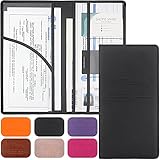
- 💼 CAR ORGANIZER PRACTICALITY: Car registration and insurance holder has multi-function clear compartments which can organize various items very well. The car document holder large pocket for insurance documents and 2 pockets for vehicle registration, 3 small pockets for driver's license, ID cards, AAA cards, business cards, receipt, key contact information cards, etc. It can fully meet your needs
- 👁EASY TO ACCESS AND READ: Car registration and insurance holder keeps your documents organized and keep them tidy and secured, which is stress-free to identify the documents in the folder and quickly reach the document when asked
- 🧲MAGNETIC CLOSURE DESIGN: The car insurance card holder is built with inner magnetic closure, which will keep your vehicle paperwork organizer closed to secure your vehicle documents from humidity and wear and tear. The car insurance holder is your first choice for protecting important car documents and certificates
- ✨PREMIUM MATERIAL: Car registration and insurance holder are made of high-quality PU leather and vinyl PVC. The beautiful cover of 3d embossing provides a comfortable soft touch feeling and professional look. This material is durable, Tolerant, and looks very naturally beautiful
- 💖SECURED & ASSURED: If you have any product problem when you use our car registration and insurance holder. Please feel free to contact us by email, we will do our best to offer a satisfactory solution for you within 24 hours
FAQ
What is the average cost of car insurance in 2025?
Bankrate reported a January 2025 national average of $2,638 per year, or about $220 per month, for full coverage. Its minimum-coverage average was $767 per year, or about $64 per month. Later 2025 updates listed about $2,679 for full coverage and $808 for minimum coverage.
Is $220 a month expensive for car insurance?
About $220 per month was close to Bankrate’s 2025 national full-coverage average. Whether it is expensive for you depends on your state, ZIP code, age, vehicle, driving record, credit-based insurance information, coverage limits and deductibles.
What is the difference between minimum coverage and full coverage?
Minimum coverage generally pays for injuries or property damage you cause to others and may not cover your own vehicle. Full coverage usually means liability plus collision and comprehensive coverage, although the term has no standardized legal definition.
How can I lower my car insurance premium?
Compare quotes using identical coverage, consider a higher deductible only if you can afford it, ask about available discounts, maintain a clean driving record and review whether your vehicle and coverage choices still fit your needs. Do not reduce liability limits solely to chase the lowest premium without considering your financial exposure.
The Bottom Line
For 2025 budgeting, use roughly $2,638 to $2,679 per year for full coverage and $767 to $808 per year for minimum coverage as national reference points. The right figure for your household may be very different—especially by state, ZIP code, age, driving record and vehicle. Compare policies with the same limits and deductibles, and treat published averages as benchmarks rather than expected quotes.
Quick Recap
Product prices and availability are accurate as of the date/time indicated and are subject to change. Any price and availability information displayed on Amazon at the time of purchase will apply.




