Some links on this page are affiliate links: if you buy through them we may earn a commission, at no extra cost to you.
Chrome, Edge, Safari and Firefox can all be safe choices for online banking when you use a current version on a supported operating system, keep updates on, and remove extensions you do not need. There is no evidence-based universal winner. Use the browser your bank supports and you can maintain; protect your account with a unique password, multifactor authentication or a passkey, and a verified route to the bank’s real website.
The practical choice by device
| Situation | Sensible choice | What to check |
|---|---|---|
| Windows PC | Current Microsoft Edge or Google Chrome | Keep it updated, leave phishing and malicious-download protections on, and check that your bank supports it. |
| Current Mac or iPhone | Safari is a reasonable default | Keep macOS, iOS or iPadOS current and confirm your bank’s site or app supports your device. |
| Linux, or preference for a browser independent of Google and Microsoft | Current Firefox | Use the normal Rapid Release channel for personal use and check compatibility with your bank. |
| Shared or unfamiliar computer | Avoid banking there if possible | Private browsing does not make an untrusted or potentially monitored computer safe. |
| Phone | Your bank’s official app or a current mobile browser | Install the app from the official app store, verify its publisher, and keep the phone updated. |
The Federal Reserve’s interagency guidance emphasizes current, updated browsers and evaluating unnecessary browser add-ons rather than prescribing one browser brand. It identifies threats such as phishing, malware, credential abuse and attacks that exploit browsers. Federal Reserve interagency guidance
An updated browser does not make an unsupported operating system safe. If your device no longer receives security updates, changing browsers is not an adequate substitute for moving to a supported system or device.
What makes a browser safe for banking?
Browser safety is not one feature or score. It depends on whether security fixes arrive promptly, whether the browser warns about known phishing and malicious downloads, how much access its extensions have, and whether it works with your bank’s login and transaction services. It also depends on the device and account around it.
#1 Best Overall
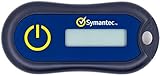
- Standard OATH compliant TOTP token (time based)
- 6-digit OTP code with countdown time bar
- Zero footprint: no need for the end user to install any software
- Secure, sturdy, and long-life hardware design
- Easy to use - Portable key chain design. These tokens will only work with Symantec VIP Access. These tokens will not work for any other Multi-Factor Authentication services, besides Symantec VIP Access.
- Phishing: A convincing fake site or message can trick you into entering a password or approving a login. Browser warnings help with known threats but cannot identify every scam.
- Extensions: Some add-ons can read or change website data. Unnecessary or untrusted extensions create additional risk, including on banking pages.
- Malware: An infostealer, keylogger or remote-access tool can capture credentials or sessions regardless of browser brand.
- Connection security: HTTPS encrypts traffic to the domain shown, but a fraudulent domain can also use HTTPS. Encryption does not prove that the site belongs to your bank.
- Account takeover: Reused passwords, stolen one-time codes, social engineering and SIM swaps can defeat a well-maintained browser.
- Privacy: Tracking protection can reduce data collection, but privacy features are not the same as protection against banking fraud.
Chrome, Edge, Firefox and Safari compared
| Browser | Good fit | Relevant protections | Trade-off to consider |
|---|---|---|---|
| Chrome | People who want broad compatibility across common devices | Safe Browsing, Safety Check, automatic updates and Google Password Manager | Enhanced Safe Browsing shares more browsing information with Google than standard protection. Review the privacy trade-off before enabling it. |
| Edge | Windows users, especially those who prefer built-in Windows integration | Microsoft Defender SmartScreen warnings, Secure DNS, password monitoring and automatic updates | Some users may prefer less integration with Microsoft services. InPrivate mode is a local privacy feature, not a security boundary. |
| Firefox | People who value browser independence or use Linux | Automatic updates, published security advisories, and HTTPS-First or HTTPS-Only controls | Some banking portals may be tested more often with Chromium-based browsers or Safari. Compatibility is bank-specific. |
| Safari | People using current Apple hardware and operating systems | Integration with Apple’s platform and its update system | It depends on keeping the Apple operating system current, and bank compatibility can vary by device. |
These features are not a comparative test, and they do not establish that one browser blocks more threats than another. For Chrome, Google documents Safe Browsing, Safety Check, password alerts and update controls; its Enhanced Safe Browsing documentation describes its additional data-sharing implications. Microsoft documents Edge’s security features and controls. Mozilla documents Firefox updates, HTTPS protections and its Rapid Release and ESR channels. For an ordinary personal computer, Rapid Release is the usual Firefox choice; ESR is principally intended for organizations or environments that need a slower feature cadence.
Brave, Tor, Opera, Vivaldi and other alternatives may suit particular privacy or browsing preferences, but privacy features alone do not make a browser safer for banking. Prefer a reputable browser with a clear security-update channel and confirm that your bank supports it. Tor Browser is designed for anonymity, not as a default banking browser; changing network location can prompt extra checks or block access.
Rank #2

- POWERFUL SECURITY KEY: The Security Key C NFC is the essential physical passkey for protecting your digital life from phishing attacks. It ensures only you can access your accounts.
- WORKS WITH 1000+ ACCOUNTS: Compatible with Google, Microsoft, and Apple. A single Security Key C NFC secures 100 of your favorite accounts, including email, password managers, and more.
- FAST & CONVENIENT LOGIN: Plug in your Security Key C NFC via USB-C and tap it, or tap it against your phone (NFC) to authenticate. No batteries, no internet connection, and no extra fees required.
- TRUSTED PASSKEY TECHNOLOGY: Uses the latest passkey standards (FIDO2/WebAuthn & FIDO U2F) but does not support One-Time Passwords. For complex needs, check out the YubiKey 5 Series.
- BUILT TO LAST: Made from tough, waterproof, and crush-resistant materials. Manufactured in Sweden and programmed in the USA with the highest security standards.
Set up your browser and account for safer banking
- Update the operating system first. Install security updates for Windows, macOS, iOS, Android or Linux. A browser cannot compensate for an unsupported system.
- Keep the browser current. Leave automatic updates enabled and get the browser from its vendor’s official channel. Mozilla warns about fake Firefox update notices and recommends official downloads in its safe-browsing guidance.
- Remove extensions you do not need. Review the list and permissions; remove unknown, unused, sideloaded or unmaintained add-ons. CISA notes that extensions can have significant access to browser traffic and data in its browser security guidance.
- Save the real bank address as a bookmark. Type the address from a bank statement or card, or use the official bank app. Check the complete domain before saving it; do not make a banking bookmark from an unsolicited message or an unfamiliar search result.
- Use a unique banking password. A reputable browser or password manager can generate and store a password you do not reuse elsewhere. NIST explains the value of unique passwords and password-manager use in its digital identity FAQ. Do not save credentials on a shared or unmanaged device.
- Enable the strongest bank sign-in option available. Use a passkey, security key or multifactor authentication where offered; prefer phishing-resistant options over SMS when your bank supports them. Never tell a caller a one-time code or approve a sign-in you did not initiate.
- Turn on account alerts. Enable notifications for logins, transfers, new payees and password changes where available, so unexpected activity is easier to spot.
- Sign out when finished on a device you do not control. Close the session and browser, but avoid using shared computers for banking when possible.
Useful browser settings
- Chrome: Open the menu → Settings → Privacy and security → Safety Check to review security issues. Under Privacy and security → Security, review Safe Browsing. To check updates, use the menu → Help → About Google Chrome. Labels can vary by platform, release and managed-device policy.
- Edge: Open the menu → Settings → Privacy, search, and services and review security settings, including Microsoft Defender SmartScreen and Secure DNS. Check updates under the menu → Help and feedback → About Microsoft Edge. Your organization may manage these options.
- Firefox: Open the menu → Help → About Firefox to check for updates. In Settings → Privacy & Security, review HTTPS-Only Mode or the relevant HTTPS protection setting.
Private browsing and a separate banking profile
Incognito, InPrivate and private windows mainly limit what the browser retains locally after the session, such as history and some cookies. They do not hide activity from the bank, internet provider, employer or network administrator; stop phishing, malware or keyloggers; or turn a fake site into a legitimate one. In Edge, Microsoft describes InPrivate in terms of local browsing data in its browser guidance.
Recommended Free Tools
A separate browser profile with no extensions—or a second current browser used only for banking—can reduce clutter, extension exposure and accidental mix-ups. It is a defense-in-depth choice, not isolation from malware: software controlling the device may still reach either profile. It also does not replace updates, a verified bank address or strong account authentication.
Rank #3

- OTP token that provides secure remote access with strong authentication
- Easy to use and easy to carry
- Expected battery life is approximately 7 years
How to check that you are on the real bank site
- Open the bookmark you created yourself, type the known address, or launch the bank’s official app. Do not sign in from an unsolicited text or email link, or a search advertisement.
- Read the full domain, not just the padlock or the word “secure.” Look for misspellings, added words and deceptive subdomains. HTTPS means the connection to the displayed domain is encrypted; it does not establish that the domain is your bank.
- Stop if the page asks for unusual information or directs you to install remote-control software, buy gift cards or cryptocurrency, or disclose a one-time code for an unexpected reason.
- If the browser shows a phishing or malware warning, do not bypass it to continue. Microsoft’s SmartScreen guidance explains its warnings for suspicious sites and downloads.
What to do when banking does not work—or something looks wrong
Your bank says the browser is unsupported
- Update the browser and operating system, then retry.
- Temporarily disable incompatible extensions or try a clean profile.
- Try another current mainstream browser or the bank’s official app, if supported.
- Contact the bank using the number on your card or statement. Do not install an obsolete browser or follow a pop-up’s phone number to get access.
A pop-up says your computer is infected
Do not call its number or install remote-access software. Close the tab or browser and use the operating system’s trusted security tools. If you entered bank credentials, use a known-clean device to contact the bank, change the password and review or revoke active sessions.
You used a suspicious link or may have a compromised device
Go to the bank through its verified app or address, contact it promptly, and report suspicious account activity. If the device shows unfamiliar extensions, redirects, disabled security tools or unauthorized remote-access software, stop banking on it. Use a known-clean device to change credentials and revoke sessions, then have the affected device assessed or reinstalled.
Rank #4

- Works with authentication systems that support TOTP tokens: Google, Facebook, Coinbase, GDAX, Dropbox, GitHub, Kickstarter, Microsoft, TeamViewer, etc.
- Programmable an unlimited number of times. Features syncable clock to prevent issues with drift
- About half the size of a credit card and just as thick-easily keep multiple cards in wallet
- Works with "Token2 Token Burner" or "Protectimus TOTP Burner", both available in the Google Play Store. Now also iOS compatible (iPhone 7 and later)
- More secure than software token as your codes cannot be intercepted by malware on your phone.
Public Wi-Fi, VPNs and password managers
For financial activity, a trusted device matters more than a fashionable network tool. Public Wi-Fi can expose you to fake login pages, hostile network portals or other risks, while malware on your own device remains a threat on any network. HTTPS protects traffic to the legitimate bank domain, but not against phishing. A VPN may change what network operators can see, but it does not verify the bank’s domain, remove malware or stop you entering credentials on a fake site; it may also trigger additional bank verification if your apparent location changes.
Crashes, No Sound, or Screen Glitches?
Random freezes, missing sound and display glitches usually trace back to one bad driver. Find and replace yours safely.Free scan · under a minutePC Slower Than It Used to Be?
A free scan shows the junk files, broken settings and background clutter dragging Windows down - then fixes them in one click.Free scan · Windows 10 & 11Password managers can help by creating unique passwords and reducing reuse, but they are valuable targets if the device or manager account is compromised. Protect the device with encryption and a strong screen lock, enable multifactor authentication on the password-manager account where available, and avoid saving bank credentials on shared computers. CISA discusses differences and limitations of password-manager approaches in its password-manager guidance.
Best Value

- ✅ PROTECT ONLINE ACCOUNTS – A password manager, two-factor security key, and secure communication token in one, OnlyKey can keep your accounts safe even if your computer or a website is compromised. OnlyKey is open source, verified, and trustworthy.
- ✅ UNIVERSALLY SUPPORTED – Works with all websites including Twitter, Facebook, GitHub, and Google. Onlykey supports multiple methods of two-factor authentication including FIDO2 / U2F, Yubico OTP, TOTP, Challenge-response.
- ✅ PORTABLE PROTECTION – Extremely durable, waterproof, and tamper resistant design allows you to take your OnlyKey with you everywhere.
- ✅ PIN PROTECTED – The PIN used to unlock OnlyKey is entered directly on it. This means that if this device is stolen, data remains secure, after 10 failed attempts to unlock all data is securely erased.
- ✅ EASY LOG IN –No need to remember multiple passwords because by plugging OnlyKey to your computer, it automatically inputs your username and password. It works with Windows, Mac OS, Linux, or Chromebook, just press a button to login securely!
For additional account-protection practices, the FTC recommends software updates, strong passwords, multifactor authentication and caution around phishing in its consumer security guidance.
Quick Recap
Product prices and availability are accurate as of the date/time indicated and are subject to change. Any price and availability information displayed on Amazon at the time of purchase will apply.



