Do these 3 things before closing this tab:
1Scan for outdated or missing drivers - takes under a minute2Repair Windows errors before they cause bigger problems3Fix the driver behind crashes, sound loss and screen glitchesSome links on this page are affiliate links: if you buy through them we may earn a commission, at no extra cost to you.
The headline is only partly right. In 2021, the U.S. Consumer Product Safety Commission (CPSC) brought an administrative case against Amazon over hazardous products sold by third-party sellers and fulfilled through Amazon. After the agency ordered remediation, Amazon—not the CPSC—filed a federal lawsuit on March 14, 2025, seeking to overturn that order. The dispute centers on whether Amazon’s role in storing and shipping those products makes it a “distributor” with recall duties under federal safety law.
Who sued whom—and when?
There are two different proceedings, not one conventional lawsuit in which the CPSC sued Amazon in federal court. The first was an administrative enforcement case before the CPSC. The second is Amazon’s court challenge to the agency’s final order.


| Date | What happened |
|---|---|
| July 14, 2021 | The CPSC announced it had authorized an administrative complaint seeking to require Amazon to participate in recalls of certain hazardous products sold by third-party sellers through its marketplace and Fulfilled by Amazon program. The agency later filed that complaint. CPSC announcement. |
| July 29, 2024 | The CPSC determined that Amazon was a distributor under the Consumer Product Safety Act (CPSA) for the products at issue and had recall responsibilities. Its decision covered more than 400,000 products across the identified categories. CPSC decision announcement. |
| January 16–17, 2025 | The CPSC issued a final order approving remediation plans; the order took effect January 26, 2025. CPSC final-order announcement. |
| March 14, 2025 | Amazon filed a federal lawsuit in the U.S. District Court for the District of Maryland, asking the court to vacate the CPSC order. Public docket summary. |
Which products did the CPSC identify?
The CPSC identified products sold by third-party sellers and fulfilled through Amazon’s program. The order concerned the products and transactions in the administrative record—not every defective product listed on Amazon, every third-party sale, or every product Amazon sells directly.
PC Slower Than It Used to Be?
A free scan shows the junk files, broken settings and background clutter dragging Windows down - then fixes them in one click.Free scan · Windows 10 & 11Outdated Drivers Are Slowing You Down
One free scan finds every outdated or missing driver and matches the right update for your exact hardware.Free scan · exact hardware match| Product category | Hazard identified by the CPSC |
|---|---|
| Carbon-monoxide detectors | Some failed to alarm or otherwise did not perform as required. |
| Hairdryers | Some lacked required electrocution protection. |
| Children’s sleepwear | Some violated federal flammability standards. |
The CPSC characterized the products as presenting a “substantial product hazard.” Its determination about Amazon’s distributor status applies to the products at issue; it is not a finding that Amazon manufactured them or that all marketplace goods are unsafe. Read the CPSC’s announcement.
#1 Best Overall

- Used Book in Good Condition
Why does Fulfilled by Amazon matter?
In Fulfilled by Amazon (FBA), an independent seller can offer a product while Amazon stores and ships it. That differs from a product Amazon itself buys and resells. It also means the legal question is not simply whether Amazon hosted a product page: the CPSC focused on Amazon’s role in listing, storing, fulfilling, and delivering the products.
The CPSA allows the CPSC to require manufacturers, distributors, or retailers to warn consumers and provide remedies when a product presents a substantial product hazard. The agency’s position was that Amazon’s functions in these transactions brought it within the law’s distributor framework. Amazon disputes that interpretation. CPSC’s 2021 explanation.
Rank #2

- The New 2024 Food Manager's Safety Guide. New current updated FDA food code. Great new study guide book geared for Servsafe and CPFM Certification, and various other accredited Food Management Certification Exams. Geared for Servsafe Food Manager's testing.
- This book is intended as a study guide and does not discredit any educational group.
- Subject matter may change from region to region, Health Department to Health Department. Also speak with your Heath Department professional about your Food Manager's Safety requirements.
- Includes the updated 9 food allergy list.
- From an instructor who has taught over 350, 8-hour Food Safety Manager classes.
The policy trade-off is practical as well as legal. A marketplace that has purchase records, customer contact details, control over fulfillment, and the ability to stop future shipments may be able to help reach buyers and remove products from circulation. Amazon argues that treating a logistics provider as a distributor blurs the distinction between fulfillment, retailing, and manufacturing. The CPSC chair described the agency’s position in a statement on the final order: CPSC chair’s statement.
What did the CPSC order Amazon to do?
The January 2025 final order approved remediation plans requiring Amazon to:
Rank #3
- Notify purchasers and the public about the hazardous products.
- Take steps to remove the products from commerce and consumers’ possession.
- Offer incentives or refunds when consumers destroyed or returned affected products, according to the applicable plan.
- Keep recall information on Amazon’s “Recalls and Product Safety Alerts” page for at least five years.
A recall announcement identifies a safety problem; the administrative order imposes specified obligations on Amazon; and Amazon’s later federal case asks a court to review that order. These are related but distinct events. The order does not mean every buyer automatically receives a refund: the remedy and eligibility depend on the product-specific plan and purchase circumstances. CPSC’s final-order announcement.
What is Amazon arguing in court?
Amazon’s complaint asks the court to vacate the CPSC’s order. The company alleges that its FBA service is third-party logistics, not distribution or retailing, and that independent sellers manufactured, owned, and sold the products. Amazon also argues that the CPSC exceeded its statutory and constitutional authority.
More specifically, Amazon challenges the agency’s additional notice requirements, saying it had already contacted purchasers through email and Amazon’s Message Center. It also alleges that some compelled notices raise First Amendment concerns and that the CPSC’s adjudicative process presented due-process problems. These are Amazon’s claims in its complaint, not court findings. Read Amazon’s complaint.
Quick wins for a faster PC:
Scan for outdated or missing drivers - takes under a minuteDriver Scan →Clear out junk files and repair common Windows errorsFree Scan →Fix the driver behind crashes, sound loss and screen glitchesFind Drivers →What is the federal case’s status?
The case is Amazon.com, Inc. v. Consumer Product Safety Commission et al., No. 8:25-cv-00853-LKG, in the U.S. District Court for the District of Maryland. It seeks judicial review of agency action under the Administrative Procedure Act. The public docket summary records a case-management order on March 20, 2025, the administrative record on July 9, 2025, and Amazon’s motion for summary judgment on August 20, 2025. View the docket summary.
Best Value
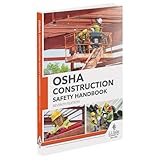
- 2024 OSHA Construction Safety Book is the seventh edition with the new OSHA HazCom final rule on 5/20/24. While the rule takes effect 7/19/24, the compliance dates don’t begin until 1/19/26 per 29 CFR 1910.1200(j).
- Construction Site Book offers quick access to essential OSHA regulations, jobsite hazards, and practical safety tips. It also helps employees identify hazards and prevent injuries and illnesses.
- Features easy-to-read format, full-color images, chapter quizzes with answer key, and comes in a compact size making it a convenient reference for employees.
- Critical topics include Confined Space Entry; Cranes & Derricks; Electrical Safety; Emergency Response; Ergonomics & Back Safety; Excavations; Fall Protection; First Aid & Bloodborne Pathogens; HazCom; Health & Wellness; Jobsite Exposures; Lockout/Tagout; Ladders & Stairways; Materials Handling/Storage; Motor Vehicles; PPE; Scaffolds; Site Safety & Security; Slips, Trips & Falls; Tool Safety; Welding, Cutting & Brazing; and Work Zone Safety.
- Specifications: 5 1/4” x 7 1/4", English, Soft bound. 7th Edition. Copyright 2024.
That docket listing says it was last retrieved on August 20, 2025, so it does not establish whether a later ruling, settlement, appeal, or final judgment occurred. A current disposition requires checking the live court docket or an authoritative later court filing. The CPSC’s final order concluded the agency proceeding, but that does not by itself resolve Amazon’s separate court challenge.
What should consumers do?
- Search the CPSC recall database by product name, brand, model, or manufacturer. Check Amazon’s “Recalls and Product Safety Alerts” notices too; a listing may disappear even though a product in someone’s home remains subject to a recall.
- If a recall or safety notice covers the product, stop using it and follow that notice’s instructions. The remedy may involve a return, destruction, refund, or replacement, depending on the specific plan.
- Report an injury, death, or dangerous product through the CPSC’s recall and reporting portal.
Do not assume that this case makes every purchase eligible for a refund. The CPSC order concerns specified products and remediation plans, and the applicable instructions determine what an affected buyer should do.
What the dispute could mean for online marketplaces
The case asks whether a platform that stores and ships third-party goods can be required to carry out recall duties even if it did not make, own, or sell those goods. The CPSC’s approach emphasizes a platform’s practical ability to identify buyers and halt fulfillment; Amazon’s challenge emphasizes the statutory boundary between a logistics provider and a distributor.
The outcome may clarify how the CPSA applies to the particular services and products in this case. It should not be treated as a final nationwide rule for every marketplace, seller, or fulfillment arrangement unless the court’s eventual decision and any later proceedings establish that broader effect.
Quick Recap
Product prices and availability are accurate as of the date/time indicated and are subject to change. Any price and availability information displayed on Amazon at the time of purchase will apply.



