PC Slower Than It Used to Be?
A free scan shows the junk files, broken settings and background clutter dragging Windows down - then fixes them in one click.Free scan · Windows 10 & 11Outdated Drivers Are Slowing You Down
One free scan finds every outdated or missing driver and matches the right update for your exact hardware.Free scan · exact hardware matchLabor Day is a full federal market holiday in the United States, and in 2024 it falls on Monday, September 2. On that date, core U.S. financial markets suspend normal trading activity, directly affecting how and when investors can execute trades, manage liquidity, and plan settlements. Understanding the precise scope of the closure is essential for avoiding failed trades, settlement delays, and unintended cash shortfalls.
U.S. stock exchanges
All major U.S. stock exchanges are closed on Labor Day 2024. This includes the New York Stock Exchange and the Nasdaq Stock Market, meaning no trading in individual stocks or exchange-traded funds occurs during regular market hours. There are no early-closing sessions or after-hours trading exceptions tied to this holiday.

Options markets
U.S. equity and index options markets are also closed for Labor Day. Options contracts listed on U.S. exchanges do not trade, and no exercise or assignment processing occurs until markets reopen. Time decay in options pricing still advances, which matters for short-dated contracts approaching expiration.
Bond markets
The U.S. bond market is closed as well, following the Securities Industry and Financial Markets Association holiday calendar. This includes U.S. Treasury securities, corporate bonds, and municipal bonds. Bond mutual funds and bond exchange-traded funds do not transact underlying securities, although fund net asset values may still be calculated.
#1 Best Overall
Why the holiday matters for trading and settlement
Market holidays affect more than just the ability to place trades. U.S. equities operate on a T+1 settlement cycle, meaning trades settle one business day after execution; holidays extend this timeline by removing a business day from the calendar. Investors planning transactions around Labor Day should account for delayed settlements, reduced liquidity ahead of the holiday, and the inability to react to market-moving news until trading resumes on Tuesday, September 3, 2024.
Which U.S. Markets Shut Down on Labor Day: NYSE, Nasdaq, Options, and Bonds
Labor Day is treated as a full federal market holiday across the U.S. financial system. In 2024, the holiday falls on Monday, September 2, and results in a synchronized shutdown of core trading venues rather than a partial or early-close schedule. Understanding exactly which markets close, and which functions pause, helps investors avoid execution errors and misaligned settlement expectations.
U.S. stock exchanges: NYSE and Nasdaq
Both the New York Stock Exchange and the Nasdaq Stock Market are fully closed on Labor Day 2024. No trading occurs in individual stocks, exchange-traded funds, or other listed equities during regular market hours. Unlike certain holidays that involve early closures, Labor Day does not include shortened sessions or special trading windows.
Because the primary exchanges are closed, there is also no official price discovery for U.S.-listed equities. Any news released during the holiday cannot be reflected in market prices until trading resumes on Tuesday, September 3, 2024.
What’s actually slowing this PC down?
Pick the symptom - the matching free tool is one click away.
Options markets
All U.S. options exchanges are closed on Labor Day, including markets for equity options and index options. Options contracts do not trade, and there is no processing of exercises or assignments while the exchanges are shut. This pause applies uniformly across standardized options listed on U.S. exchanges.
Despite the trading halt, options pricing mechanics continue to evolve conceptually. Time decay, also known as theta, still advances because one calendar day passes, which can affect short-dated options once markets reopen.
Bond markets
The U.S. bond market is also closed in observance of Labor Day, in accordance with the Securities Industry and Financial Markets Association holiday calendar. Trading in U.S. Treasury securities, corporate bonds, and municipal bonds does not occur. Primary and secondary market activity is suspended for the day.
Bond mutual funds and bond exchange-traded funds do not transact in underlying securities during the closure. However, fund administrators may still calculate net asset values using the most recent available pricing, which can create a lag between market events and portfolio valuation.
No early closures or hidden exceptions
Labor Day is a clean closure across U.S. markets, with no early-closing sessions, no after-hours equity trading, and no partial bond-market operations. This uniform shutdown distinguishes Labor Day from holidays such as the day after Thanksgiving, which often involve abbreviated trading hours.
As a result, investors should treat Labor Day as a complete interruption in U.S. market activity. All trade execution, price discovery, and settlement processing resume when markets reopen on the next business day.
What Still Trades on Labor Day: Futures, Forex, Crypto, and International Markets
While U.S. stock, options, and bond markets are fully closed on Labor Day, not all financial markets shut down. Several asset classes continue trading, often with modified hours or reduced liquidity. Understanding these exceptions helps explain how global price signals can still evolve while U.S. exchanges are inactive.
U.S. futures markets
U.S. futures markets generally remain open on Labor Day, but they operate on a holiday schedule with limited hours. Futures contracts are standardized agreements to buy or sell an asset at a future date, and they trade primarily on the CME Group exchanges.
Equity index futures, Treasury futures, and many commodity futures typically close early on Labor Day and reopen later in the evening. Trading volumes are often lower, which can increase price volatility and widen bid-ask spreads, meaning prices may move more sharply on relatively small trades.
Foreign exchange (forex) markets
The global foreign exchange market remains open on Labor Day because it operates continuously from Monday morning in Asia to Friday afternoon in New York. Forex trading is decentralized, meaning it does not rely on a single exchange or national holiday calendar.
However, U.S. bank closures can reduce liquidity in U.S. dollar currency pairs. With fewer participants active, exchange rates may be more sensitive to overseas economic data or geopolitical developments during the holiday session.
Cryptocurrency markets
Cryptocurrency markets trade continuously, 24 hours a day, seven days a week, including all U.S. holidays. Digital assets such as Bitcoin and Ethereum are traded on global online exchanges that do not observe national market closures.
Recommended Free Tools
Price movements in crypto markets during Labor Day can reflect global risk sentiment or news events, even though traditional U.S. markets are closed. These price changes occur independently of U.S. equity price discovery and do not pause for settlement or clearing cycles.
Rank #2

- 𝐍𝐞𝐯𝐞𝐫 𝐌𝐢𝐬𝐬 𝐚 𝐊𝐞𝐲 𝐓𝐫𝐚𝐝𝐢𝐧𝐠 𝐃𝐚𝐭𝐞 𝐀𝐠𝐚𝐢𝐧 - Stay ahead of market movements with our comprehensive trading 2026 desk calendar, featuring FOMC meetings, PPI & CPI, Jobs Report (Non-Farm Payroll) triple witching Fridays, banking and stock market holidays. Designed for traders who need to track crucial economic events that impact market trends.
- 𝐈𝐦𝐩𝐫𝐨𝐯𝐞 𝐓𝐫𝐚𝐝𝐢𝐧𝐠 𝐒𝐭𝐫𝐚𝐭𝐞𝐠𝐲 - Timing is everything in trading! Our 2026 stock market calendar for desk helps you plan ahead by providing economic indicators, inflation trend data, and critical financial schedules. Empowering you to make informed, strategic trading decisions.
- 𝐂𝐨𝐦𝐩𝐚𝐜𝐭, 𝐏𝐫𝐚𝐜𝐭𝐢𝐜𝐚𝐥 & 𝐃𝐞𝐬𝐤-𝐅𝐫𝐢𝐞𝐧𝐝𝐥𝐲 - With a space-saving 10 x 5 inch size, this trading desk calendar fits perfectly on any workstation without clutter. Its easy-to-read layout ensures quick access to market-moving dates without the need for digital searches.
- 𝐏𝐫𝐞𝐦𝐢𝐮𝐦 𝐐𝐮𝐚𝐥𝐢𝐭𝐲 & 𝐄𝐚𝐬𝐲 𝐭𝐨 𝐑𝐞𝐚𝐝 𝐃𝐞𝐬𝐢𝐠𝐧 - Made of durable, high-quality materials, this finance planner calendar offers clear printing and a sleek aesthetic that complements any professional workspace. Built to last through the trading year, it’s both functional and stylish.
- 𝐏𝐞𝐫𝐟𝐞𝐜𝐭 𝐆𝐢𝐟𝐭 𝐟𝐨𝐫 𝐓𝐫𝐚𝐝𝐞𝐫𝐬 & 𝐈𝐧𝐯𝐞𝐬𝐭𝐨𝐫𝐬 - Whether you’re a day trader, stock market enthusiast, or finance professional, this financial desk calendar is an essential tool. It also makes an ideal gift for Wall Street traders, hedge fund managers, or investment analysts looking to stay ahead in 2026.
International stock markets
Many international equity markets remain open on Labor Day, depending on local holidays. Major exchanges in Europe and Asia typically operate on their normal schedules, allowing foreign stocks to continue trading.
Movements in international markets can influence expectations for U.S. trading when markets reopen. However, because U.S. exchanges are closed, these global price signals cannot be immediately arbitraged into U.S.-listed securities, potentially leading to price gaps at the next U.S. market open.
The Full 2024 U.S. Stock Market Holiday Trading Calendar
Understanding the official U.S. market holiday calendar is essential for interpreting when stocks, options, and bonds can be traded and when normal price discovery is paused. Market holidays are set by individual exchanges and industry associations rather than by federal law, which explains why closures can differ across asset classes.
The Tool Desk
Outbyte PC Repair FREERepair Windows errors before they cause bigger problemsFix Now →Outbyte Driver Updater FREEScan for outdated or missing drivers - takes under a minuteDriver Scan →In 2024, U.S. stock markets are fully closed on Labor Day, Monday, September 2, with no trading in listed equities or equity options. There are no early closes on Labor Day itself; trading resumes on the next regular business day.
U.S. stock and options market holidays in 2024
The New York Stock Exchange (NYSE) and Nasdaq observe the same core holiday schedule for equities and listed options. On these dates, all regular trading, opening auctions, and closing auctions are suspended.
The full 2024 holiday calendar for U.S. stock and options markets is as follows:
• New Year’s Day: Monday, January 1
• Martin Luther King Jr. Day: Monday, January 15
• Washington’s Birthday (Presidents’ Day): Monday, February 19
• Good Friday: Closed for bonds only; stock markets remain open
• Memorial Day: Monday, May 27
• Juneteenth National Independence Day: Wednesday, June 19
• Independence Day: Thursday, July 4
• Labor Day: Monday, September 2
• Thanksgiving Day: Thursday, November 28
• Christmas Day: Wednesday, December 25
On days when markets are closed, no equity trades can be executed, and prices do not update until the next trading session.
Do these 3 things before closing this tab:
1Clear out junk files and repair common Windows errors2Scan for outdated or missing drivers - takes under a minute3Repair Windows errors before they cause bigger problemsEarly closures for U.S. stock markets in 2024
In addition to full-day closures, U.S. stock exchanges observe several scheduled early closes. An early close means the market shuts down before the standard 4:00 p.m. Eastern Time close, typically at 1:00 p.m. Eastern Time.
In 2024, early stock market closures occur on:
• Wednesday, July 3 (day before Independence Day)
• Friday, November 29 (day after Thanksgiving)
• Tuesday, December 24 (Christmas Eve)
Early closures can reduce liquidity and increase intraday volatility, particularly in the final hour of trading, as institutional participants adjust positions ahead of the shutdown.
U.S. bond market holiday schedule
The U.S. bond market follows a separate calendar established by the Securities Industry and Financial Markets Association (SIFMA). Bond market closures affect trading in U.S. Treasuries, corporate bonds, municipal bonds, and bond mutual fund pricing.
In 2024, the U.S. bond market is fully closed on Labor Day, aligning with stock market closures. However, the bond market also closes on Good Friday, when stock exchanges remain open, highlighting an important cross-asset difference that can affect portfolio valuation and rebalancing.
How market holidays affect trading, settlement, and portfolios
Market holidays pause not only trading but also settlement, which is the process of transferring securities and cash between buyers and sellers. In U.S. equities, settlement follows a T+1 cycle, meaning trades normally settle one business day after execution; holidays extend this timeline.
For long-term investors, market holidays like Labor Day primarily affect timing rather than investment outcomes. Orders cannot be executed during closures, dividends and corporate actions are processed on business days, and price adjustments may occur at the next open if significant news emerges while markets are closed.
Awareness of the full holiday calendar allows investors to plan transactions, manage liquidity needs, and avoid confusion when markets appear inactive despite ongoing global financial activity.
Quick wins for a faster PC:
Clear out junk files and repair common Windows errorsFree Scan →Fix the driver behind crashes, sound loss and screen glitchesFind Drivers →Early Closures, Half Days, and Common Holiday Exceptions Investors Miss
Although Labor Day itself is a full market closure, confusion often arises around nearby dates, partial trading days, and differences between asset classes. These exceptions can materially affect order execution, fund pricing, and settlement timing, particularly for investors placing trades around long holiday weekends.
Labor Day is a full closure across U.S. stock and options markets
On Monday, September 2, 2024, U.S. equity markets are fully closed in observance of Labor Day. The New York Stock Exchange (NYSE) and Nasdaq suspend all trading activity for stocks, exchange-traded funds (ETFs), and listed equity options for the entire day.
Rank #3
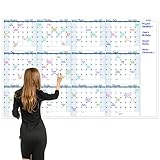
- 🗓 EXTRA-LARGE DRY ERASE CALENDAR – This dry erase wall calendar covers 12 months calendar for an easier year-round planning, easily keeping track of your important events, special deadlines, appointments, activities and more. Blue and white design is very simple and business style.
- 🗓 AMPLE WRITING SPACE – Our wall calendar dry erase monthly planner with 12-month of undated blank calendar, offers plenty of room for jotting down your tasks, to-do lists, daily schedules. Long Notes section is for your detailed schedules, highlighting important things.
- 🗓 ENHANCE YOUR PRODUCTIVITY – The giant 37" x 57.9" Yearly wall calendar with 1.73" x 1.77" daily blocks provides enough room to make your plans clear all at one page. Notes section on the right side and each month for annual and monthly planning, marking your important things. Blue columns for marking weekends.
- 🗓 UNIQUE FEATURES – This reusable calendar uses special treated dry erase reusable & rewritable, giving smooth surface, well dust-proof and wipe very clean. Bright simple background and clear printing make it easier to view and read. This undated wall calendar applies to many kinds of whiteboard marker, wet/dry erase marker, etc.
- 🗓 BONUS 8 ROUND STICKERS – Bonus 8 double-sided round sticks makes this erasable calendar to stick nicely and steadily. The large wall calendar is made of layered poster laminated coating, and can be reused for many years. A great yearly calendar organizer for your home, office and school to make your life more efficient.
There is no early close or half-day session associated with Labor Day. Trading resumes at the normal 9:30 a.m. Eastern Time open on Tuesday, September 3, assuming no extraordinary market disruptions.
Bond market alignment and pricing implications
The U.S. bond market is also fully closed on Labor Day under the SIFMA holiday calendar. This includes trading in U.S. Treasuries, corporate bonds, municipal bonds, and most fixed-income exchange-traded products.
Free tools Windows power users keep installed
One-click scans. No signup required.
Because both equity and bond markets are closed, mutual funds holding these securities do not receive updated market prices on Labor Day. Net asset values (NAVs) for stock and bond mutual funds remain unchanged and are recalculated when markets reopen, which can create visible price adjustments on the following trading day.
Half days occur around other holidays, not Labor Day
A common misconception is that major holidays are surrounded by half-day trading sessions. In reality, early closures occur around specific holidays such as Independence Day, Thanksgiving, and Christmas, but not around Labor Day.
The Friday before Labor Day and the Tuesday after are both full trading days for U.S. stock exchanges. Investors expecting reduced hours on these dates may mistakenly delay transactions or misinterpret normal market activity as holiday-related inactivity.
Settlement and order handling around long weekends
Market holidays extend settlement timelines even when trades are executed on surrounding business days. With the T+1 settlement cycle for U.S. equities, trades executed on the Friday before Labor Day settle on Tuesday rather than Monday, as the holiday is not a business day.
Order handling is also affected. Market orders, limit orders, and stop orders placed during the Labor Day closure are queued and eligible for execution only when markets reopen, exposing them to potential price gaps if significant news develops while trading is halted.
Global markets and futures trading remain active
While U.S. cash equity markets are closed on Labor Day, many international markets remain open, and certain U.S. futures contracts may trade on reduced or modified schedules. Futures are standardized contracts that obligate the buyer or seller to transact at a future date and are often used for hedging or price discovery.
Price movements in global equities, commodities, currencies, or futures markets during Labor Day can influence U.S. stock prices when trading resumes. This disconnect explains why U.S. markets may open higher or lower on the Tuesday after Labor Day despite no domestic trading activity the prior day.
Why these exceptions matter for long-term investors
For long-term investors, holiday exceptions primarily affect timing, liquidity access, and administrative processes rather than fundamental investment performance. Misunderstanding early closures or assuming shortened sessions can lead to delayed rebalancing, missed cash needs, or confusion around portfolio valuations.
A precise understanding of which markets are closed, which operate on reduced schedules, and how settlement is affected allows investors to plan transactions efficiently and interpret post-holiday price movements with greater clarity.
How Labor Day Affects Trade Execution, Settlement (T+1), and Cash Availability
Understanding the operational mechanics of a market holiday is essential for interpreting portfolio activity around Labor Day. While price movements pause in U.S. stock markets during the closure, back-office processes such as settlement, cash posting, and corporate action processing are directly affected. These mechanics determine when trades legally complete and when proceeds become usable.
Trade execution during the Labor Day market closure
On Labor Day 2024, U.S. equity and options exchanges, including the New York Stock Exchange and Nasdaq, are fully closed. No stock or listed options trades can be executed during regular market hours, and there are no early openings or shortened sessions for these asset classes.
Orders submitted during the holiday are not canceled by default but remain pending. They become eligible for execution only when markets reopen on Tuesday, September 3, which introduces exposure to overnight or long-weekend price gaps if new information emerges while markets are closed.
T+1 settlement timing around Labor Day
Settlement refers to the official exchange of securities for cash after a trade is executed. Under the T+1 settlement cycle, U.S. equity and corporate bond trades settle one business day after the trade date, where a business day excludes weekends and federal market holidays.
As a result, trades executed on the Friday before Labor Day do not settle on Monday. Instead, settlement occurs on Tuesday, delaying the legal transfer of ownership and the availability of sale proceeds by one additional day. This extension is purely mechanical and applies uniformly across U.S. broker-dealers.
Impact on cash availability and reinvestment timing
Because settlement is delayed, cash generated from sales executed before Labor Day cannot be withdrawn or fully reinvested until settlement completes. While some brokers provide limited provisional buying power, the cash is not considered settled and may be restricted for withdrawals or certain transactions.
Rank #4

- ONE BOARD FOR MEALS, CHORES AND EVERY OTHER LIST: With 42 blank date squares and a Notes panel, this magnetic fridge calendar doubles as a meal planner, a menu board for the kitchen, a chore chart and a grocery list. Each row is a full Sunday-to-Saturday week, so one row holds this week's dinners while the next tracks who is doing what. One magnetic whiteboard on the refrigerator door instead of three separate boards.
- LONG LASTING STAIN RESISTANT PERFORMANCE: With edge cutting material science, this dry erase calendar for refrigerator has a stain resistant high-performance PET surface. You can erase for countless times without any smudgy "ghosting" or staining, so the board still looks new after a year of weekly menus and to do lists.
- GET EVERYONE ON THE SAME PAGE: Turn the fridge door into your family command center. Getting your family, roomies or co-workers informed "bright" and clear, no more arguing what would've could've should've been done, the action needed is clear publicized for everyone.
- TEACH SMART HABITS FROM A YOUNG AGE: Give each kid their own row and let them check off the chore list themselves. This dry erase chore chart teaches children the value of getting organized and always being on time, and it wipes clean the moment the week is done.
- WRITE IN ANY MONTH, USE IT ANY YEAR: The month and dates are yours to fill in, so this undated monthly planner never expires and never needs replacing in January. At 16.9 x 11.8 inches it covers a fridge door panel without crowding it, and this magnet board holds itself on any steel fridge door, so there is no tape, no hooks and no holes in the wall. A great gift for her, for a new home or for the back to school season.
This timing difference is especially relevant for investors planning contributions, withdrawals, or portfolio rebalancing around the holiday. Misinterpreting unsettled funds as available cash can lead to failed transfers, delayed reinvestments, or unexpected account restrictions.
Bond markets and cash equivalents follow different schedules
U.S. bond markets, including Treasury securities, are also closed on Labor Day. No bond trading or settlement occurs, and interest accrual continues without interruption. Money market funds and cash sweep vehicles generally continue to accrue interest, but transactions may not post until the next business day.
These distinctions matter because investors often assume that “cash” instruments operate independently of market holidays. In practice, most cash-equivalent vehicles remain subject to the same business-day conventions governing settlement and transaction processing.
Why holiday settlement mechanics matter for portfolio planning
Market holidays like Labor Day do not alter long-term return expectations, but they materially affect short-term liquidity and transaction sequencing. Understanding how trade execution pauses, settlement extends, and cash availability shifts allows investors to coordinate transactions without unintended delays.
Accurate expectations around these mechanics also help investors interpret account statements and portfolio valuations immediately before and after the holiday. Apparent inactivity or delayed cash movements are typically operational consequences of the market calendar, not errors or market dysfunction.
Portfolio Planning Around Market Holidays: Risks, Liquidity, and Volatility Considerations
With settlement timing and cash availability already constrained by the Labor Day holiday, portfolio planning must also account for how closed markets affect liquidity, price discovery, and short-term volatility. These effects are operational rather than economic, but they can influence execution quality and portfolio flexibility around the holiday period.
Market closures on Labor Day 2024 and affected asset classes
On Monday, September 2, 2024, U.S. stock markets are fully closed in observance of Labor Day. This includes the New York Stock Exchange and the Nasdaq Stock Market, meaning no trading in U.S.-listed stocks, exchange-traded funds (ETFs), or equity options occurs during the session.
U.S. bond markets, including Treasury, municipal, and corporate bonds, are also closed. There are no early closures or partial trading sessions for these markets on Labor Day, and all normal trading resumes on the following business day, Tuesday, September 3, 2024.
Liquidity constraints before and after the holiday
Liquidity refers to the ability to buy or sell an asset quickly without materially affecting its price. Trading days immediately preceding and following a market holiday often experience reduced liquidity as institutional participants adjust staffing, risk exposure, and capital usage.
Do these 3 things before closing this tab:
1Fix the driver behind crashes, sound loss and screen glitches2Repair Windows errors before they cause bigger problems3Scan for outdated or missing drivers - takes under a minuteLower liquidity can result in wider bid-ask spreads, which is the difference between the highest price a buyer is willing to pay and the lowest price a seller is willing to accept. For individual investors, this can increase implicit transaction costs even when headline prices appear stable.
Short-term volatility dynamics around market holidays
Volatility measures the degree of price fluctuation over a given period. While holidays themselves do not cause volatility, the compression of information flow into fewer trading days can lead to sharper price adjustments once markets reopen.
Economic data releases, geopolitical developments, or corporate announcements that occur during the closure are incorporated into prices only when trading resumes. This can produce gap openings, where prices open significantly higher or lower than the prior close, particularly in stocks or ETFs tied to global markets that remained open.
Execution risk and order handling considerations
Execution risk refers to the possibility that a trade is completed at a less favorable price than expected. Around market holidays, this risk increases due to thinner order books and reduced participation from market makers, the firms that provide continuous buy and sell quotes.
Recommended Free Tools
Limit orders, which specify a maximum purchase price or minimum sale price, may not fill if prices move quickly after the holiday. Market orders, which execute at the best available price, may fill immediately but at less predictable prices in low-liquidity conditions.
Portfolio rebalancing and timing sensitivity
Portfolio rebalancing involves adjusting asset weights back to target allocations. When rebalancing coincides with a market holiday, the extended settlement window and uneven liquidity across asset classes can complicate sequencing, especially when trades in one asset class fund purchases in another.
Equity, bond, and cash-equivalent instruments all observe Labor Day closures, meaning coordinated rebalancing plans may need to span multiple business days. Understanding these timing constraints helps investors interpret why allocation changes may not appear simultaneously across holdings.
Distinguishing operational effects from market signals
Account balances, transaction histories, and performance metrics may appear static or delayed around Labor Day due to the absence of trading and settlement activity. These operational pauses should not be confused with changes in asset fundamentals or market sentiment.
Best Value

- 2027 CALENDAR - Covers January 2027 to December 2027 as a 12 month wall calendar, a hanging wall calendar 2027 and calendar 2027 for long range office calendar planning
- HIGH QUALITY THICK PAPER - Thick paper resists ink bleed for a durable paper calendar 2027, with clear 2027 monthly calendar blocks and Julian date calendar details for quick reference
- ENHANCED ORGANIZATION - Large paper calendar for wall in 11.5" x 14.6" size, a green large wall calendar 2027 with roomy writing space for monthly calendar, planner calendar and notes
- MAKES YOUR LIFE PRODUCTIVE - Designed as a wall calendar 2027 for office, home and family wall calendar needs, ideal as an office calendar 2027, academic wall calendar 2027 or student calendar
- MONTHLY OVERVIEW - Clean monthly layout works as a monthly wall calendar 2027 and monthly planner 2027, helping track appointments, deadlines and plans on a green wall calendar
Recognizing the mechanical impact of the holiday calendar allows investors to contextualize short-term account movements accurately. What may appear as inactivity, delayed cash, or abrupt price movement is often a predictable consequence of the market structure surrounding a full trading-day closure.
Key Takeaways and FAQs for Long-Term and Beginner Investors
The Labor Day holiday illustrates how market structure, not investor behavior, can drive short-term changes in trading activity, liquidity, and account reporting. For long-term and beginner investors, understanding these mechanics reduces confusion and prevents misinterpretation of routine operational pauses. The following takeaways and frequently asked questions consolidate the practical implications of the 2024 Labor Day market closure.
Is the U.S. stock market closed on Labor Day 2024?
Yes. U.S. stock markets are fully closed on Labor Day, which falls on Monday, September 2, 2024. The New York Stock Exchange (NYSE) and the Nasdaq do not conduct any trading sessions, and there are no early openings or partial trading days for equities.
Because the closure applies to the entire trading day, no stock price discovery occurs until the market reopens on Tuesday. Any price adjustments related to news or global market movements are reflected only when U.S. markets resume normal trading hours.
The Tool Desk
Outbyte PC Repair FREEClear out junk files and repair common Windows errorsFree Scan →Outbyte Driver Updater FREEFix the driver behind crashes, sound loss and screen glitchesFind Drivers →Which asset classes are affected by the Labor Day closure?
U.S.-listed stocks, exchange-traded funds (ETFs), and equity options do not trade on Labor Day. The U.S. bond market, including Treasury securities and corporate bonds, is also closed under the Securities Industry and Financial Markets Association (SIFMA) holiday schedule.
Mutual funds do not process purchases or redemptions on Labor Day because their net asset value (NAV) is calculated only on trading days. Cash-equivalent instruments, such as money market funds, generally observe the same closure, even though interest continues to accrue in the background.
Are there any early closings or exceptions?
No early close applies to Labor Day. It is a full market holiday across U.S. equity and bond markets. This differs from holidays such as the day after Thanksgiving or Christmas Eve, which sometimes involve early closures.
While U.S. markets are closed, some international equity and futures markets may remain open. Investors holding globally focused ETFs may see price gaps at the next U.S. open as domestic markets adjust to overseas trading activity that occurred during the holiday.
Windows Errors? Fix Them Before They Spread
Repair common Windows errors and clear accumulated junk for a smoother, more stable PC - no reinstall needed.Free scan · no reinstallCrashes, No Sound, or Screen Glitches?
Random freezes, missing sound and display glitches usually trace back to one bad driver. Find and replace yours safely.Free scan · under a minuteHow does Labor Day affect trade settlement and cash availability?
Trade settlement follows a business-day convention, meaning holidays delay the completion of transactions. For equities, settlement occurs two business days after the trade date (known as T+2). A Labor Day closure extends this timeline by one additional calendar day.
As a result, proceeds from trades executed before the holiday may not be available for withdrawal or reinvestment as quickly as expected. This delay reflects settlement mechanics rather than restrictions imposed by brokers or custodians.
What should long-term investors do differently around market holidays?
Long-term investors generally do not need to adjust strategy solely because of a market holiday. Labor Day does not alter the fundamental value of assets or the long-term return expectations of diversified portfolios.
The primary consideration is administrative rather than strategic. Awareness of closures helps investors plan rebalancing, scheduled contributions, or withdrawals without assuming errors when transactions or account updates appear delayed.
What’s actually slowing this PC down?
Pick the symptom - the matching free tool is one click away.
Why do prices sometimes move sharply after a holiday?
Price movements following Labor Day often reflect accumulated information rather than sudden changes in investor sentiment. Economic data releases, geopolitical events, or global market movements that occur while U.S. markets are closed are incorporated into prices when trading resumes.
Lower liquidity in the first session back can amplify price changes, especially in securities with smaller trading volumes. These movements are structural responses to reopening conditions, not signals of abnormal market behavior.
Bottom line for beginner and long-term investors
Labor Day 2024 is a complete trading holiday for U.S. stocks, options, and bonds, with no early sessions or exceptions. The effects are operational and temporary, influencing when trades execute, settle, and appear in account records.
Understanding the holiday calendar helps investors distinguish normal market mechanics from meaningful financial developments. This clarity supports disciplined portfolio management and reinforces the importance of focusing on long-term objectives rather than short-term calendar effects.
Free tools Windows power users keep installed
One-click scans. No signup required.
Quick Recap
Product prices and availability are accurate as of the date/time indicated and are subject to change. Any price and availability information displayed on Amazon at the time of purchase will apply.




