What’s actually slowing this PC down?
Pick the symptom - the matching free tool is one click away.
The Great Depression was the most severe and prolonged economic collapse in modern industrial history, reshaping the global economy and permanently altering how governments approach economic stability. It was not a single event but a systemic breakdown that exposed deep structural weaknesses in financial systems, labor markets, and public policy frameworks. Its consequences extended far beyond falling stock prices, affecting production, employment, income distribution, and political institutions across continents.
At its core, the Great Depression represented a catastrophic failure of aggregate demand, meaning total spending by households, businesses, and governments fell sharply and persistently. As demand collapsed, firms cut production and employment, triggering a self-reinforcing downward spiral. The scale and duration of this contraction distinguish the Great Depression from ordinary recessions.


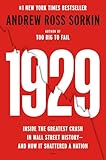

Scale and Timeline of the Collapse
The Great Depression is conventionally dated from 1929 to the late 1930s, though its precise timing varied by country. In the United States, economic contraction began after the stock market crash of October 1929, but output and employment continued to deteriorate for several years afterward. Real gross domestic product, a measure of inflation-adjusted economic output, fell by roughly 30 percent between 1929 and 1933.
Unemployment in the United States rose from about 3 percent in 1929 to nearly 25 percent by 1933, reflecting widespread business failures and mass layoffs. Industrial production declined by almost half, while agricultural prices collapsed, pushing millions of farmers into insolvency. Banking systems failed on a massive scale, with thousands of banks closing and depositors losing savings in the absence of federal deposit insurance.
The Tool Desk
Outbyte PC Repair FREEClear out junk files and repair common Windows errorsFree Scan →Outbyte Driver Updater FREEFix the driver behind crashes, sound loss and screen glitchesFind Drivers →#1 Best Overall
Globally, the Depression spread through trade linkages, financial contagion, and rigid monetary systems. International trade contracted by more than 60 percent between 1929 and 1932 as countries raised tariffs and devalued currencies in an attempt to protect domestic economies. Many nations experienced political instability, social unrest, and long-lasting economic scarring as a result.
Why the Great Depression Matters
The Great Depression matters because it fundamentally transformed economic thought and policy. Prior to the 1930s, prevailing economic doctrine assumed that markets were largely self-correcting and that prolonged mass unemployment was unlikely. The persistence of the Depression challenged these assumptions and led to the development of modern macroeconomics, particularly theories emphasizing the role of government intervention in stabilizing demand.
Policy responses during and after the Depression reshaped the institutional architecture of capitalism. Governments expanded fiscal policy, defined as the use of public spending and taxation to influence economic conditions, and redefined the role of central banks in managing monetary policy, which involves controlling interest rates and the money supply. Financial regulation was strengthened to reduce systemic risk, meaning the danger that failure in one part of the financial system could trigger economy-wide collapse.
The social and political effects were equally profound. Long-term unemployment eroded skills and earnings potential, increased inequality, and altered attitudes toward risk, savings, and public welfare. The legacy of the Great Depression continues to influence responses to modern crises, including financial bailouts, stimulus programs, and the prioritization of preventing deflation, a sustained decline in prices that can deepen economic downturns.
Outdated Drivers Are Slowing You Down
One free scan finds every outdated or missing driver and matches the right update for your exact hardware.Free scan · exact hardware matchWindows Errors? Fix Them Before They Spread
Repair common Windows errors and clear accumulated junk for a smoother, more stable PC - no reinstall needed.Free scan · no reinstallThe Roaring Twenties: Economic Expansion, Structural Imbalances, and Hidden Fragilities
Understanding why the Great Depression unfolded with such severity requires close attention to the economic conditions of the 1920s. The decade is often remembered as a period of prosperity and optimism, particularly in the United States, but beneath rapid growth lay structural weaknesses that made the global economy highly vulnerable to shock.
Postwar Adjustment and the Illusion of Stability
Following World War I, the United States emerged as the world’s dominant industrial and financial power. European economies were burdened by war debts, damaged infrastructure, and political instability, while American industry expanded to meet both domestic and international demand. This shift concentrated financial influence in the U.S. and increased global dependence on American capital flows.
Despite this apparent stability, the international economic system was fragile. War-related debts and reparations linked countries through complex financial obligations, especially between the United States, Germany, and the Allied powers. These arrangements functioned only as long as capital continued to flow smoothly and confidence remained intact.
Productivity Growth and Uneven Prosperity
The 1920s saw significant productivity gains driven by technological innovation and organizational change. Mass production techniques, particularly the assembly line, sharply reduced costs and increased output in industries such as automobiles, appliances, and consumer goods. Productivity refers to the amount of output produced per unit of labor, and rising productivity allowed firms to expand without proportionate increases in employment.
Do these 3 things before closing this tab:
1Repair Windows errors before they cause bigger problems2Fix the driver behind crashes, sound loss and screen glitches3Clear out junk files and repair common Windows errorsHowever, income growth did not keep pace evenly across society. Wages rose more slowly than output, and the gains from productivity were concentrated among business owners and higher-income households. This imbalance weakened broad-based consumer demand, even as factories continued to increase production capacity.
The Expansion of Consumer Credit
To sustain consumption, households increasingly relied on consumer credit, meaning borrowing to finance purchases. Installment plans allowed buyers to acquire automobiles, radios, and household appliances with small down payments. While credit expanded access to new goods, it also increased household indebtedness and made consumption sensitive to income disruptions.
This credit-driven consumption masked underlying weaknesses in purchasing power. Economic growth became dependent on continued borrowing rather than rising real incomes, leaving households vulnerable if employment or wages declined. When credit conditions tightened, demand could contract rapidly.
Financial System Growth and Regulatory Gaps
The financial sector expanded rapidly during the decade, but regulation remained limited. Commercial banks often engaged in speculative activities, including lending for stock market investments, while investment trusts pooled funds to purchase securities, frequently using borrowed money. Leverage, defined as the use of debt to amplify investment returns, magnified both gains and losses.
Free tools Windows power users keep installed
One-click scans. No signup required.
Banking was highly fragmented, with thousands of small institutions lacking diversification. In the absence of federal deposit insurance or strong oversight, banks were exposed to sudden withdrawals and asset price declines. These vulnerabilities would later amplify financial panic.
Monetary Policy and the Constraints of the Gold Standard
Monetary policy during the 1920s was constrained by the gold standard, a system in which currencies were tied to fixed quantities of gold. Central banks were required to prioritize currency stability over domestic economic conditions. This limited their ability to respond flexibly to financial stress or downturns.
The Federal Reserve, created in 1913, was still developing its policy framework and tools. Interest rate decisions were sometimes used to curb stock market speculation rather than stabilize employment or output. These actions contributed to volatility and constrained credit precisely as economic conditions began to weaken.
Stock Market Speculation and Asset Price Inflation
Rising stock prices became a defining feature of the late 1920s. Equity values increased far faster than corporate earnings, reflecting speculative expectations rather than underlying profitability. Many investors purchased stocks on margin, meaning they borrowed money to buy shares, betting that prices would continue to rise.
This speculative environment increased systemic risk, the danger that failures in one market could destabilize the entire financial system. When confidence faltered, forced selling and loan defaults transmitted losses quickly across banks and investors, setting the stage for broader economic contraction.
Sectoral Imbalances in Agriculture and Industry
While urban industries expanded, agriculture suffered from chronic overproduction and falling prices throughout the decade. Technological improvements increased farm output, but global demand failed to keep pace, particularly after European agriculture recovered from wartime disruption. Farm incomes stagnated or declined, increasing rural debt and bank vulnerability.
These sectoral imbalances meant that economic growth was unevenly distributed. Weakness in agriculture and traditional industries offset gains elsewhere, reducing overall economic resilience. When industrial production slowed, there was little buffer to absorb the shock.
International Fragilities and Capital Dependence
Globally, economic stability depended heavily on continued U.S. lending to Europe. American loans supported German reparations payments, which in turn financed debt repayment to Allied nations. This circular flow was sustainable only under conditions of confidence and growth.
Recommended Free Tools
Any disruption to U.S. credit markets threatened the entire system. When capital flows reversed at the end of the decade, the international economy lacked mechanisms to absorb the shock, transmitting financial stress across borders with remarkable speed.
The Crash of 1929: Financial Panic, Market Psychology, and the Collapse of Confidence
The structural weaknesses described previously left the financial system highly sensitive to shifts in sentiment. By late 1929, slowing industrial output, declining construction activity, and tightening credit conditions began to challenge the assumption that asset prices would rise indefinitely. What followed was not a single event, but a rapid transition from optimism to fear that exposed the fragility of confidence underpinning the entire economy.
The Mechanics of the Market Collapse
Stock prices peaked in early September 1929 and began to decline unevenly in the weeks that followed. Initial declines were modest, but they unsettled investors accustomed to uninterrupted gains. As prices fell, margin calls—demands by lenders for additional collateral on borrowed funds—forced investors to sell shares to cover their debts.
Forced selling accelerated price declines, creating a self-reinforcing downward spiral. Because many investors had used borrowed money, even small price drops wiped out equity, or the investor’s own stake in the asset. Losses therefore spread far beyond those who sold voluntarily, affecting banks and brokers exposed to margin loans.
Black Thursday, Black Tuesday, and Financial Panic
The crisis intensified dramatically in late October. On October 24, known as Black Thursday, trading volumes surged as panic selling overwhelmed the market. A temporary intervention by major banks briefly stabilized prices, but confidence had already been severely damaged.
Five days later, on October 29, Black Tuesday marked the collapse of that fragile calm. Millions of shares were sold with few buyers, causing prices to fall uncontrollably. The absence of institutional safeguards, such as trading halts or deposit insurance, allowed panic to spread unchecked through financial markets.
Market Psychology and the Role of Expectations
The crash revealed the central role of expectations in financial stability. Asset prices depend not only on current earnings, but on beliefs about the future. When expectations shifted from optimism to pessimism, valuations adjusted abruptly rather than gradually.
This psychological reversal amplified economic shocks. Fear of further losses led investors to liquidate assets, hoard cash, and withdraw deposits. These defensive actions, rational at the individual level, collectively deepened the contraction by reducing investment, credit availability, and spending.
The Collapse of Confidence in Financial Institutions
The stock market crash quickly undermined confidence in banks, particularly those with heavy exposure to securities markets. Bank balance sheets weakened as loan defaults increased and asset values declined. Without federal deposit insurance, depositors had strong incentives to withdraw funds at the first sign of trouble.
Bank runs—mass withdrawals driven by fear rather than insolvency alone—became increasingly common. Even solvent institutions could fail if forced to liquidate assets at depressed prices. The resulting contraction of the banking system sharply reduced the supply of credit to households and businesses.
From Financial Shock to Economic Contraction
Although the stock market crash did not by itself cause the Great Depression, it acted as a powerful catalyst. The collapse of financial wealth reduced consumption, particularly among middle- and upper-income households with significant stock holdings. More importantly, the destruction of confidence disrupted the normal functioning of credit markets.
As banks failed and lending contracted, firms cut investment and employment. What began as a financial crisis thus transmitted rapidly into the real economy, transforming existing structural weaknesses into a prolonged and severe economic downturn.
From Crash to Depression: Banking Failures, Credit Contraction, and Monetary Policy Mistakes
As financial distress spread beyond asset markets, weaknesses within the banking system transformed a severe recession into a systemic collapse. The interaction between bank failures, shrinking credit, and restrictive monetary policy created a self-reinforcing downward spiral. Rather than stabilizing expectations, institutional responses often intensified uncertainty and contraction.
Waves of Bank Failures and the Breakdown of Financial Intermediation
Between 1930 and 1933, thousands of U.S. banks failed, eliminating a large share of the nation’s financial intermediaries. Financial intermediation refers to the process by which banks channel savings into productive investment through loans. When banks collapsed, this process broke down, severing the link between savers and borrowers.
Most banks at the time were small, undiversified, and highly vulnerable to local economic shocks. Agricultural price declines, business failures, and falling real estate values weakened loan portfolios. Without a federal deposit insurance system, fear-driven withdrawals accelerated failures even among otherwise solvent institutions.
Credit Contraction and the Deflationary Spiral
As banks failed or retrenched, credit availability contracted sharply. Credit contraction occurs when lending declines due to tighter standards, reduced bank capital, or heightened risk aversion. Businesses lost access to working capital, while households found borrowing increasingly difficult or impossible.
This contraction reinforced deflation, defined as a sustained decline in the general price level. Falling prices increased the real burden of debt, meaning borrowers owed more in inflation-adjusted terms. Rising real debt loads led to additional defaults, further weakening banks and deepening the downturn.
Monetary Policy Errors and the Shrinking Money Supply
The Federal Reserve failed to offset the collapse in private credit by expanding the money supply. The money supply includes currency in circulation and bank deposits used for transactions. As banks failed and deposits vanished, the total money supply fell by roughly one-third between 1929 and 1933.
Rather than acting aggressively as a lender of last resort—an institution that provides liquidity during financial panics—the Federal Reserve allowed bank failures to proceed unchecked. In several episodes, it even raised interest rates to defend gold reserves. These actions tightened financial conditions precisely when expansion was needed.
The Gold Standard and Policy Constraints
Monetary policy was further constrained by adherence to the gold standard, a system in which national currencies were convertible into gold at fixed rates. Maintaining gold convertibility required central banks to prioritize exchange rate stability over domestic economic conditions. As gold flowed out of the United States, policymakers focused on preserving reserves rather than stabilizing output or employment.
Quick wins for a faster PC:
Fix the driver behind crashes, sound loss and screen glitchesFind Drivers →Repair Windows errors before they cause bigger problemsFix Now →This constraint transmitted deflation internationally. Countries that remained on the gold standard imported tighter monetary conditions, while those that abandoned it earlier tended to recover sooner. The episode demonstrated how rigid monetary frameworks can magnify economic shocks rather than absorb them.
From Liquidity Crisis to Prolonged Depression
The combined effect of bank failures, collapsing credit, and restrictive monetary policy transformed a cyclical downturn into a prolonged depression. Liquidity, the ease with which assets can be converted into means of payment, evaporated across the economy. Even productive firms were forced to cut output and employment due to financing constraints.
These dynamics reveal why the Great Depression was not merely a market correction but a systemic failure. Financial fragility, institutional design, and policy choices interacted in ways that prolonged and intensified economic suffering. The lessons from this period would later reshape central banking, financial regulation, and crisis management worldwide.
Deepening the Downturn: Deflation, Unemployment, and the Breakdown of Global Trade
As financial contraction persisted, the economic crisis moved beyond banking and credit markets into the real economy. Falling money supply and collapsing demand triggered deflation, mass unemployment, and a sharp contraction in international trade. These forces reinforced one another, deepening the downturn and extending its duration across both industrialized and developing economies.
Deflation and the Debt-Deflation Spiral
Deflation refers to a sustained decline in the general price level of goods and services. Between 1929 and 1933, consumer prices in the United States fell by roughly 25 percent, increasing the real value of nominal debts, meaning debts fixed in dollar terms. As prices and incomes declined, households and firms found it increasingly difficult to service existing obligations.
This process is often described as debt-deflation, a mechanism in which falling prices raise real debt burdens, forcing borrowers to cut spending or liquidate assets. Distressed selling pushed prices down further, intensifying financial strain throughout the economy. Bankruptcies rose, loan defaults increased, and already weakened banks faced additional losses.
Deflation also discouraged new investment and consumption. When prices are expected to keep falling, delaying purchases becomes rational, further suppressing demand. In this environment, even low nominal interest rates failed to stimulate borrowing because real interest rates, adjusted for deflation, remained high.
Mass Unemployment and the Collapse of Labor Markets
As firms faced shrinking revenues and limited access to credit, production cuts became unavoidable. Businesses responded by reducing hours, lowering wages, and ultimately laying off workers. By 1933, unemployment in the United States reached approximately 25 percent of the labor force, with even higher rates in industrial centers.
Free tools Windows power users keep installed
One-click scans. No signup required.
Unemployment during the Great Depression was not only severe but persistent. Weak demand limited job creation, while deflation reduced firms’ pricing power and profitability. The absence of automatic stabilizers, such as unemployment insurance and countercyclical fiscal policy, meant that income losses translated directly into reduced consumption.
The social consequences were profound. Long-term joblessness eroded skills, weakened labor bargaining power, and contributed to falling household formation and birth rates. These labor market disruptions had lasting effects on income distribution and economic mobility well beyond the 1930s.
The Breakdown of Global Trade and Economic Integration
The Depression quickly became a global phenomenon as international trade collapsed. Between 1929 and 1933, the volume of world trade fell by roughly two-thirds. This contraction reflected declining incomes, credit shortages, and deliberate policy choices that restricted cross-border exchange.
One prominent example was the Smoot-Hawley Tariff Act of 1930, which sharply raised U.S. import tariffs. Trading partners responded with retaliatory tariffs, quotas, and exchange controls, measures that restrict access to foreign currency. These policies exemplified beggar-thy-neighbor strategies, attempts to protect domestic economies at the expense of others.
The fragmentation of global trade was amplified by the gold standard. Countries facing gold outflows tightened monetary policy and imposed trade restrictions to conserve reserves. Instead of stabilizing national economies, these actions transmitted deflation internationally, reinforcing the global downturn and delaying recovery.
The collapse of trade severely affected export-dependent economies, particularly those reliant on primary commodities. Falling commodity prices reduced export revenues, strained government finances, and increased external debt burdens. The Depression thus exposed the vulnerability of an interconnected global economy lacking effective international coordination mechanisms.
Policy Responses in Real Time: Hoover, Roosevelt, and the Evolution of Crisis Management
As the economic contraction deepened and spread internationally, policy responses became a central determinant of the Depression’s duration and severity. Governments confronted an unprecedented collapse without modern macroeconomic frameworks, automatic stabilizers, or clear historical precedents. The contrast between the approaches of President Herbert Hoover and President Franklin D. Roosevelt illustrates how crisis management evolved in real time under extreme uncertainty.
Herbert Hoover and the Limits of Pre-Keynesian Policy
Herbert Hoover entered office in 1929 with a reputation as an effective administrator and advocate of efficiency-driven governance. His policy framework reflected prevailing economic orthodoxy, which emphasized balanced budgets, limited federal intervention, and confidence in market self-correction. These views shaped the initial federal response as the downturn intensified.
Hoover favored voluntary cooperation between government, businesses, and labor. He encouraged firms to maintain wages and employment and urged banks to continue lending. While well-intentioned, these measures relied on private actors whose balance sheets were already deteriorating, limiting their practical effectiveness.
Fiscal policy under Hoover remained constrained. Federal spending increased modestly on public works, including the Hoover Dam, but these efforts were small relative to the scale of economic collapse. At the same time, the Revenue Act of 1932 raised taxes in an attempt to preserve fiscal balance, unintentionally reducing household purchasing power during a deflationary crisis.
Hoover also supported institutional reforms aimed at stabilizing finance. The Reconstruction Finance Corporation, established in 1932, provided loans to banks, railroads, and other large institutions. However, its cautious lending practices and indirect transmission to households meant that relief arrived slowly, if at all, for the unemployed.
The Transition to Roosevelt and a New Policy Paradigm
By the time Franklin D. Roosevelt took office in March 1933, the banking system was near collapse and unemployment exceeded 20 percent. The severity of the crisis eroded confidence in incrementalism and created political space for more experimental approaches. Roosevelt explicitly framed policy as adaptive, emphasizing trial, error, and revision.
One of the first actions of the new administration was a national bank holiday, temporarily closing banks to prevent further runs. This was followed by federal guarantees on bank deposits through the creation of the Federal Deposit Insurance Corporation. Deposit insurance, which protects depositors against bank failure, helped restore confidence and stabilize the financial system.
Monetary policy also shifted decisively. The United States abandoned the gold standard in 1933, allowing the money supply to expand and relieving deflationary pressure. By breaking the constraint imposed by gold convertibility, policymakers gained greater flexibility to support domestic recovery rather than defending fixed exchange rates.
The New Deal: Expanding the Role of the Federal Government
Roosevelt’s New Deal represented a broad redefinition of federal economic responsibility. Fiscal policy became more active, with large-scale public employment programs such as the Civilian Conservation Corps and the Works Progress Administration. These initiatives directly increased incomes and employment, countering weak private demand.
The New Deal also introduced structural reforms aimed at reducing economic instability. Financial regulations, including the Glass-Steagall Act, separated commercial and investment banking to limit speculative risk-taking. Securities regulation increased transparency in capital markets, addressing informational failures that had fueled the 1920s credit boom.
Outdated Drivers Are Slowing You Down
One free scan finds every outdated or missing driver and matches the right update for your exact hardware.Free scan · exact hardware matchWindows Errors? Fix Them Before They Spread
Repair common Windows errors and clear accumulated junk for a smoother, more stable PC - no reinstall needed.Free scan · no reinstallSocial policy expanded significantly during this period. The Social Security Act of 1935 established old-age pensions and unemployment insurance, creating automatic stabilizers that increase government spending when economic conditions deteriorate. These mechanisms fundamentally altered how future downturns would affect household income and consumption.
Learning Under Pressure: The Evolution of Crisis Management
Neither Hoover nor Roosevelt operated with a fully developed macroeconomic theory of depression management. Many policies were reactive, shaped by political constraints, institutional capacity, and unfolding events. Nevertheless, the cumulative experience transformed economic governance.
The Depression demonstrated that prolonged slumps could persist without decisive intervention, challenging assumptions about rapid self-correction. It also revealed the dangers of procyclical policies, actions that intensify economic fluctuations by tightening policy during downturns. These lessons later informed the development of Keynesian economics and modern stabilization policy.
By the late 1930s, the federal government had assumed a permanent role in managing aggregate demand, regulating finance, and providing social insurance. Crisis management evolved from ad hoc responses to a more systematic framework, laying the institutional foundation for postwar macroeconomic policy.
The New Deal and Institutional Transformation: Fiscal Policy, Regulation, and the Modern State
Building on the hard lessons of crisis management, the New Deal marked a decisive shift from emergency relief toward permanent institutional change. Its policies redefined the role of the federal government in stabilizing the economy, supervising markets, and protecting households from systemic risk. This transformation reshaped American capitalism and influenced global approaches to economic governance.
Fiscal Policy and the Expansion of the Federal Role
Fiscal policy refers to government decisions on spending and taxation to influence economic activity. During the New Deal, federal spending expanded sharply through public works, relief programs, and transfers to households and states. Although budgets were not consistently deficit-financed by modern standards, federal outlays became a central tool for supporting aggregate demand, the total level of spending in the economy.
This shift altered expectations about government responsibility during downturns. Persistent unemployment demonstrated that balanced budgets could deepen recessions by withdrawing purchasing power. As a result, countercyclical policy—expanding spending during contractions and restraining it during booms—gained political legitimacy even before it was fully articulated in economic theory.
Financial Regulation and Market Stabilization
The New Deal institutionalized a regulatory framework designed to reduce systemic risk, the danger that failures in one part of the financial system could trigger economy-wide collapse. Banking reforms strengthened federal oversight, established deposit insurance through the Federal Deposit Insurance Corporation, and curtailed practices that encouraged excessive leverage, the use of borrowed funds to amplify returns and losses.
The Tool Desk
Outbyte PC Repair FREEClear out junk files and repair common Windows errorsFree Scan →Outbyte Driver Updater FREEScan for outdated or missing drivers - takes under a minuteDriver Scan →Capital markets were similarly transformed. The creation of the Securities and Exchange Commission imposed disclosure requirements and antifraud rules, addressing asymmetric information, a condition in which one party to a transaction possesses more or better information than another. These reforms aimed to restore confidence by aligning private incentives with public stability.
The Administrative State and Federal Capacity
Implementing these policies required a dramatic expansion of administrative capacity. New agencies coordinated relief, infrastructure investment, labor standards, and agricultural policy, embedding economic management within the federal bureaucracy. This marked a departure from the earlier reliance on states and private actors to address national economic problems.
Federalism, the division of authority between national and state governments, was recalibrated rather than eliminated. While states continued to administer many programs, funding and policy design increasingly flowed from Washington. This realignment reflected the recognition that nationwide shocks required centralized coordination.
Social Insurance and Long-Term Economic Effects
Social insurance programs reshaped the relationship between citizens and the economy. By smoothing income over the life cycle and during periods of job loss, these programs reduced households’ exposure to macroeconomic volatility. This stabilization of consumption lessened the severity of downturns and altered savings and labor market behavior.
Do these 3 things before closing this tab:
1Scan for outdated or missing drivers - takes under a minute2Repair Windows errors before they cause bigger problems3Fix the driver behind crashes, sound loss and screen glitchesOver time, these institutions contributed to lower poverty among the elderly and greater resilience during recessions. They also expanded the scope of fiscal automatic stabilizers, reinforcing the government’s role as a counterweight to private-sector instability. The New Deal thus embedded macroeconomic management into the normal functioning of the modern state.
Social and Political Consequences: Inequality, Labor, and Shifts in Public Attitudes
The institutional changes described above reshaped not only economic policy but also social relations and political expectations. As federal capacity expanded and social insurance became embedded in economic governance, the distributional consequences of the Depression moved to the center of public debate. Economic collapse exposed inequalities that had been masked during the 1920s expansion, altering how citizens understood risk, responsibility, and fairness in a market economy.
Inequality and the Uneven Burden of Economic Collapse
The Great Depression did not affect all groups equally. Unemployment, foreclosures, and income losses were concentrated among industrial workers, farmers, racial minorities, and recent immigrants, while households with access to liquid assets were better positioned to absorb shocks. This divergence highlighted structural inequality, meaning persistent differences in economic outcomes rooted in institutional, geographic, and social factors rather than individual choices alone.
Wealth inequality widened as asset prices collapsed and forced sales transferred property to creditors and cash-rich buyers. Small farmers and homeowners lost land and housing at disproportionate rates, reinforcing long-term disparities in wealth accumulation. These outcomes intensified political pressure for redistribution and public intervention to mitigate market-driven inequality.
What’s actually slowing this PC down?
Pick the symptom - the matching free tool is one click away.
Best Value
Labor Markets, Unemployment, and the Rise of Collective Action
Labor markets experienced a fundamental breakdown during the Depression. Unemployment reached unprecedented levels, while those who remained employed faced wage cuts, reduced hours, and deteriorating working conditions. Bargaining power shifted sharply toward employers, reflecting a labor surplus in which job seekers vastly outnumbered available positions.
In response, labor organization expanded rapidly during the 1930s. Legal recognition of collective bargaining, the process by which workers negotiate wages and conditions as a group, altered the balance of power between labor and capital. Union membership increased, strikes became more frequent, and labor issues entered mainstream political discourse as questions of economic stability rather than purely private disputes.
Political Realignment and Changing Expectations of Government
The social dislocation of the Depression produced a durable shift in political attitudes. Voters increasingly evaluated governments based on their capacity to deliver economic security, not merely maintain legal order or fiscal restraint. This change contributed to a political realignment, meaning a lasting shift in party coalitions and policy priorities.
Support grew for an expanded role of government in regulating markets, providing employment, and insuring against economic risks. Skepticism toward unregulated capitalism intensified, while tolerance for budget deficits during downturns increased. These attitudes reshaped electoral outcomes and constrained future policymakers, even beyond the immediate crisis.
Recommended Free Tools
Public Trust, Social Norms, and Attitudes Toward Risk
The Depression also transformed social norms surrounding risk-taking and financial behavior. Widespread bank failures and investment losses eroded trust in financial institutions, encouraging greater caution among households. Saving, liquidity, and job security became central values, influencing consumption and investment patterns for decades.
At the same time, expectations of public responsibility for economic stability became normalized. Government intervention was increasingly viewed as a legitimate response to systemic failure rather than an exception to market principles. This shift in public attitudes reinforced the durability of the regulatory and social insurance frameworks established during the New Deal era.
Enduring Lessons of the Great Depression: How It Shaped Modern Macroeconomic Policy
The institutional and intellectual changes triggered by the Great Depression fundamentally altered how governments understand and manage economic instability. The crisis demonstrated that severe downturns are not self-correcting in a timely or socially tolerable manner. As a result, modern macroeconomic policy emerged with an explicit mandate to stabilize output, employment, and the financial system.
These lessons were not abstract theoretical conclusions but practical responses to policy failures observed during the 1930s. They reshaped fiscal policy, monetary policy, financial regulation, and the role of the state in managing aggregate demand, meaning total spending in the economy.
Quick wins for a faster PC:
Scan for outdated or missing drivers - takes under a minuteDriver Scan →Clear out junk files and repair common Windows errorsFree Scan →The Acceptance of Countercyclical Fiscal Policy
One of the most enduring lessons of the Great Depression was the inadequacy of strict budget balance during economic downturns. Governments learned that cutting spending or raising taxes in a recession can deepen economic contraction by reducing demand further. This insight led to the acceptance of countercyclical fiscal policy, in which governments run deficits during downturns and surpluses during expansions.
This shift was closely associated with Keynesian economics, which emphasizes the role of public spending in stabilizing demand when private investment collapses. Fiscal stimulus, defined as increased government spending or tax reductions aimed at boosting economic activity, became a standard policy tool during recessions. The legitimacy of deficit spending in crises remains a central feature of modern macroeconomic management.
Monetary Policy and the Role of Central Banks
The Depression revealed the dangers of passive or constrained monetary policy. Central banks in the early 1930s failed to prevent widespread bank failures and allowed the money supply to contract sharply, intensifying deflation, a sustained decline in the general price level. Deflation increased the real burden of debt and discouraged spending, worsening the downturn.
In response, central banks adopted a more active role as lenders of last resort, meaning institutions that provide liquidity to solvent banks during financial stress. Modern central banking places strong emphasis on preventing deflationary spirals, stabilizing financial markets, and managing expectations through interest rate policy and, in extreme cases, unconventional tools such as asset purchases.
What’s actually slowing this PC down?
Pick the symptom - the matching free tool is one click away.
Financial Regulation and Systemic Risk
The collapse of thousands of banks during the Depression highlighted the fragility of unregulated financial systems. Policymakers concluded that individual financial institutions could collectively generate systemic risk, meaning the failure of one part of the system can threaten the entire economy. This recognition led to stronger oversight of banking, securities markets, and credit conditions.
Key regulatory innovations included deposit insurance, which protects bank depositors from losses, and restrictions on speculative banking activities. These measures aimed to restore public trust and reduce the likelihood that financial panics would transmit rapidly to the real economy. Modern regulatory frameworks continue to reflect the Depression-era understanding that financial stability is a public good.
Social Insurance as an Automatic Stabilizer
The Depression demonstrated the economic value of social insurance programs in addition to their social objectives. Unemployment insurance, old-age pensions, and income support programs help sustain household spending during downturns. These programs function as automatic stabilizers, meaning they expand during recessions and contract during recoveries without requiring new legislation.
By cushioning income losses, social insurance reduces the depth and duration of economic contractions. This insight reinforced the idea that economic security and macroeconomic stability are closely linked. Modern welfare states owe much of their design to the lessons learned from mass unemployment and poverty during the 1930s.
Do these 3 things before closing this tab:
1Fix the driver behind crashes, sound loss and screen glitches2Clear out junk files and repair common Windows errors3Scan for outdated or missing drivers - takes under a minuteInternational Coordination and the Limits of Economic Nationalism
The global spread of the Great Depression revealed the dangers of uncoordinated national policies. Trade protectionism, competitive currency devaluations, and adherence to the gold standard intensified economic collapse across countries. The gold standard, which tied currencies to fixed quantities of gold, constrained monetary policy and transmitted deflation internationally.
Postwar policymakers responded by building institutions to promote international cooperation, including flexible exchange rates and multilateral organizations. The lesson was that global economic stability requires coordination rather than isolation. Modern responses to international financial crises continue to reflect this principle.
A Lasting Framework for Economic Governance
Taken together, these lessons established a new framework for economic governance. Governments accepted responsibility for managing demand, stabilizing financial systems, and mitigating the social costs of economic volatility. While debates continue over the appropriate scope and scale of intervention, the core insights of the Great Depression remain influential.
The crisis permanently altered expectations of what macroeconomic policy can and should do. Modern fiscal, monetary, and regulatory institutions are products of historical experience, shaped by the recognition that unchecked economic collapse carries profound and lasting consequences. The Great Depression thus remains a foundational reference point for understanding both the possibilities and limits of economic policy.
Free tools Windows power users keep installed
One-click scans. No signup required.
Quick Recap
Product prices and availability are accurate as of the date/time indicated and are subject to change. Any price and availability information displayed on Amazon at the time of purchase will apply.




