Recommended Free Tools
Pfizer disclosed that it has halted development of an experimental oral obesity drug after a patient in a clinical trial experienced a case of liver injury. The announcement immediately drew investor attention because obesity is one of the most commercially significant therapeutic areas in global pharmaceuticals, with multibillion-dollar revenue potential and intense competitive dynamics. Any disruption in a late-stage or strategically important drug program therefore carries implications not only for future growth expectations but also for how markets assess pipeline risk.
The Clinical Event and Pfizer’s Decision
The company indicated that the liver injury was observed during a clinical study designed to evaluate the drug’s safety and tolerability. In drug development, a liver injury refers to abnormal elevations in liver enzymes or other biomarkers that suggest hepatotoxicity, meaning potential damage to liver cells. Such findings are treated with particular seriousness because drug-induced liver injury is a leading cause of clinical trial failures and post-approval drug withdrawals.
Under U.S. Food and Drug Administration (FDA) regulations, companies are required to halt or pause trials when a safety signal emerges that could pose a meaningful risk to patients. A safety signal is any data suggesting a possible causal relationship between a drug and an adverse event, even if that relationship is not yet proven. Pfizer’s decision to stop development reflects a conservative risk-management approach, prioritizing regulatory compliance and patient safety over continuing a program with unresolved safety concerns.
Why Liver Safety Is a Critical Red Line
Liver toxicity is especially problematic in chronic conditions like obesity, where medications are intended for long-term or lifelong use. Regulators apply a higher safety threshold in such cases, as even low-probability adverse events can become unacceptable when exposure occurs over years rather than weeks. A single serious liver injury does not automatically disqualify a drug, but it raises the evidentiary bar significantly, often requiring extensive additional trials or mechanistic explanations.
Free tools Windows power users keep installed
One-click scans. No signup required.
#1 Best Overall

- 𝑼𝒏𝒑𝒂𝒓𝒂𝒍𝒍𝒆𝒍𝒆𝒅 𝑨𝒑𝒑 𝑬𝒙𝒑𝒆𝒓𝒊𝒆𝒏𝒄𝒆: Elevate your fitness journey with us. Our scale stands out with the free vesync app, offering a customized diet and exercise plans based on your life habits. Achieve your fitness goals scientifically with ease (FSA/HSA eligible)
- 𝑼𝒑𝒈𝒓𝒂𝒅𝒆 𝑷𝒓𝒆𝒄𝒊𝒔𝒊𝒐𝒏: Benefit from our 10 years of professional experience and join over 5 million satisfied customers across 30 countries, our scale boasts high-precision sensors for accuracy in increments as small as 0.05 lb
- 𝑽𝒆𝒓𝒔𝒂𝒕𝒊𝒍𝒆 𝑾𝒆𝒊𝒈𝒉𝒊𝒏𝒈 𝑺𝒐𝒍𝒖𝒕𝒊𝒐𝒏: Our scale offers 3 different modes designed to cater to all your needs. Zero-Current Mode ensures a safe weigh-in option, Baby Mode tracks baby or pet growth, and For Light Items weighs items as light as 100g
- 𝑼𝒔𝒆 𝒘𝒊𝒕𝒉 𝑬𝒂𝒔𝒆: Seamlessly integrate our scale into your fitness routine. Compatible with APPLE WATCH and syncs data with popular fitness apps like Apple Health, Samsung Health, Google Fit, FitBit, and MyFitnessPal. Supports unlimited users for convenience
- 𝑾𝒆𝒊𝒈𝒉 𝑺𝒎𝒂𝒓𝒕𝒆𝒓: Beyond analyzing 13 biometrics, setting goals, and viewing progress graphs, our scale offers even more intelligence. Connect the app to Alexa for hands-free voice control and quick answers. Rest assured, VeSync prioritizes your privacy
For pharmaceutical companies, this creates an unfavorable risk–reward tradeoff. Additional studies increase development costs and delay time to market, while the probability of ultimate approval may still decline. Halting development at an early sign of hepatotoxicity can therefore be a rational capital allocation decision, even if the drug showed promise in terms of efficacy.
Immediate Market Reaction and Investor Interpretation
Following the announcement, Pfizer shares experienced modest downward pressure, reflecting investor disappointment but not a severe repricing of the company’s overall valuation. This measured reaction suggests that markets viewed the halted obesity drug as an incremental, rather than foundational, component of Pfizer’s long-term growth profile. Pfizer’s diversified revenue base and existing portfolio of approved products helped cushion the impact.
Equity investors also interpreted the news through the lens of opportunity cost. Capital and management attention previously allocated to this obesity program can now be redirected toward other pipeline assets or business development initiatives. While the halt reduces Pfizer’s optionality in the obesity space, it does not materially impair near-term cash flows or solvency, which explains the relatively contained market response.
Broader Implications for the Obesity Drug Landscape
The decision underscores the inherent uncertainty in obesity drug development, despite recent high-profile successes in the class. Safety setbacks can quickly reshape competitive positioning, particularly as oral therapies are viewed as the next frontier beyond injectable treatments. Pfizer’s exit from this specific program modestly strengthens the competitive standing of rivals with advancing or approved obesity drugs, but it also reinforces the high regulatory bar across the sector.
The Tool Desk
Outbyte Driver Updater FREEFix the driver behind crashes, sound loss and screen glitchesFind Drivers →Outbyte PC Repair FREERepair Windows errors before they cause bigger problemsFix Now →For biotech and pharmaceutical investors, the episode highlights the importance of pipeline diversification and risk-adjusted valuation. Drug development is probabilistic by nature, and even well-capitalized companies can encounter abrupt setbacks. The market’s reaction to Pfizer’s announcement reflects an understanding that single-asset risk is manageable at the company level, but remains a central consideration in assessing individual drug programs and smaller, less diversified biotech firms.
Understanding the Safety Signal: What a Reported ‘Liver Injury’ Means in Clinical Trial and FDA Terms
Against this backdrop of measured market reaction, it is essential to understand why a single reported safety event can justify halting a development program. In clinical development, safety signals are evaluated with a far lower tolerance for uncertainty than in commercial practice. The objective is not to prove harm beyond doubt, but to prevent potential harm before broader patient exposure occurs.
What Constitutes a “Liver Injury” in Clinical Development
In clinical trial terminology, a reported “liver injury” typically refers to abnormal liver function tests that exceed predefined thresholds. These tests most commonly include elevations in alanine aminotransferase (ALT) and aspartate aminotransferase (AST), enzymes released into the bloodstream when liver cells are damaged. Investigators monitor these biomarkers continuously, even in asymptomatic patients.
Not all liver enzyme elevations are clinically meaningful, but certain patterns raise immediate concern. Regulators pay particular attention to cases that meet criteria associated with drug-induced liver injury, or DILI, which is a leading cause of drug development failure. DILI is especially problematic because it can be unpredictable and, in rare cases, progress to acute liver failure.
Hy’s Law and Why Regulators Take It Seriously
A key regulatory framework in assessing liver risk is known as Hy’s Law. This refers to a combination of significant liver enzyme elevation alongside elevated bilirubin levels, without an alternative explanation such as viral hepatitis. Historically, drugs that trigger Hy’s Law cases during development have a meaningful risk of causing severe liver injury post-approval.
Even a single suspected Hy’s Law case can be sufficient to halt a clinical program. The rationale is statistical rather than anecdotal: if one serious liver event appears in a relatively small trial population, the implied risk may be unacceptably high when scaled to millions of potential patients. This conservative approach reflects the FDA’s mandate to prioritize patient safety over development momentum.
Causality Assessment and the Decision to Halt Development
When a liver injury is reported, sponsors conduct a causality assessment to determine whether the drug is the likely cause. This analysis examines timing, dose relationship, reversibility after stopping the drug, and exclusion of other causes. However, causality is rarely definitive in early-stage trials.
For large pharmaceutical companies, uncertainty itself carries strategic risk. If a plausible link between the drug and liver injury cannot be confidently ruled out, continuing development may expose the company to regulatory setbacks, costly delays, or post-marketing liabilities. Halting development at this stage can therefore be a rational capital allocation decision rather than a reaction to proven toxicity.
FDA Reporting Standards and Regulatory Expectations
Clinical trial sponsors are required to promptly report serious adverse events, including suspected liver injury, to regulators. These reports trigger heightened scrutiny, including requests for additional data, protocol modifications, or clinical holds. A clinical hold is a formal FDA action that pauses a trial, but companies may choose to stop development voluntarily before reaching that point.
From a regulatory perspective, obesity drugs face an especially high safety bar. These therapies are intended for chronic use in large, generally non-terminal populations. As a result, regulators are less willing to tolerate safety ambiguities compared with drugs for life-threatening conditions.
Rank #2
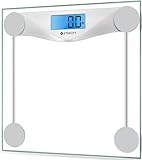
- 𝑹𝒆𝒍𝒊𝒂𝒃𝒍𝒆 𝑷𝒓𝒆𝒄𝒊𝒔𝒊𝒐𝒏: With professional expertise refined over 10 years, our brand design ensures accuracy and reliability through high-precision sensor technology
- 𝑬𝒂𝒔𝒚 𝒕𝒐 𝑼𝒔𝒆: The scale is equipped with an easy-to-read display with automatic on/off, low battery, and overload indications. Choose between 2 units of measurement (lb/kg) for your weighing convenience
- 𝑴𝒊𝒏𝒊𝒎𝒂𝒍 𝑫𝒆𝒔𝒊𝒈𝒏: Never Let a scale ruin your style. Place this scale in your bathroom, bedroom, or living room. It will complement the design of your living space
- 𝑨 𝑫𝒖𝒓𝒂𝒃𝒍𝒆 𝑪𝒉𝒐𝒊𝒄𝒆: The scale’s 6-mm tempered glass platform provides exceptional durability and comfort. Equipped with a supportive frame and anti-skid paddings to prevent slipping, you can rely on the sturdiness of our scale
- 𝑳𝒂𝒓𝒈𝒆 𝑷𝒍𝒂𝒕𝒇𝒐𝒓𝒎: Step onto the scale comfortably with its large 11.9 x 11.9-inch platform
Implications for Pipeline Risk and Investor Interpretation
For investors, a reported liver injury should be viewed as a pipeline risk realization rather than an operational failure. Safety signals can abruptly change a drug’s risk-adjusted net present value, which is the probability-weighted estimate of future cash flows. When the probability of approval declines sharply due to safety concerns, the rational response is to discontinue further investment in that asset.
In Pfizer’s case, the decision limits downstream risk to valuation and reputation, while preserving capital for other programs. More broadly, the episode reinforces why diversified pipelines and disciplined termination criteria are central to risk management in pharmaceutical investing. Safety-driven halts are not anomalies in drug development; they are a structural feature of an industry governed by probabilistic outcomes and stringent regulatory oversight.
Why Liver Toxicity Is a Critical Red Flag in Metabolic and Obesity Drug Development
The decision to halt an obesity program following a reported liver injury reflects a well-established risk framework in metabolic drug development. Liver safety signals carry disproportionate weight because they can indicate systemic toxicity, narrow therapeutic margins, or off-target effects that are difficult to mitigate through dose adjustment or patient selection. In chronic, preventative therapies, even isolated signals can materially alter the regulatory and commercial outlook.
The Liver’s Central Role in Metabolic Drug Exposure
Most small-molecule metabolic drugs are processed through the liver, making hepatotoxicity a primary safety concern. The liver is responsible for drug metabolism and detoxification, which increases exposure to reactive metabolites that can injure liver cells. When injury occurs, it raises questions about whether the mechanism is intrinsic to the compound rather than idiosyncratic to a single patient.
In obesity treatment, drugs are often taken continuously for years. This long duration magnifies cumulative liver exposure and reduces tolerance for uncertainty. Regulators therefore scrutinize early liver signals more aggressively than they might in short-course therapies.
Hy’s Law and Why Single Cases Can Matter
A key regulatory concept in liver safety is Hy’s Law, which links certain patterns of liver enzyme elevation with a meaningful risk of severe drug-induced liver injury. While a single case does not establish causality, it can trigger heightened concern if laboratory findings suggest hepatocellular injury with impaired liver function. Once Hy’s Law criteria are plausibly met, the probability of regulatory approval declines sharply.
From a development standpoint, disproving a liver safety signal often requires larger trials, longer follow-up, or mechanistic studies. These steps materially increase cost and time while offering uncertain resolution. For many companies, especially in competitive markets, this risk-reward tradeoff becomes unattractive.
Class Effects and Competitive Benchmarking in Obesity Drugs
The current obesity drug landscape is dominated by incretin-based therapies with well-characterized safety profiles. Any new entrant must demonstrate not only efficacy, but comparable or superior safety. A liver injury signal places a candidate at a disadvantage relative to established competitors, even if efficacy appears promising.
Investors should interpret this in relative terms. A drug with unresolved hepatotoxicity risk faces a higher commercial hurdle, lower pricing power, and increased post-marketing surveillance obligations. These factors compress expected returns and weaken the strategic rationale for continued investment.
Implications for Pfizer’s Pipeline Economics and Valuation
Within Pfizer’s broader portfolio, discontinuing a liver-risked obesity asset reflects disciplined pipeline management rather than a singular setback. Continuing development under a cloud of safety uncertainty would increase the likelihood of future write-downs, regulatory delays, or reputational damage. Each of these outcomes would negatively affect risk-adjusted net present value and, by extension, corporate valuation.
Quick wins for a faster PC:
Fix the driver behind crashes, sound loss and screen glitchesFind Drivers →Clear out junk files and repair common Windows errorsFree Scan →More broadly, this episode underscores a structural reality for biotech investors. Safety signals, particularly involving the liver, can rapidly reprice pipeline assets and shift capital allocation priorities. Effective risk management in pharmaceutical investing depends not on avoiding such events, but on recognizing when termination preserves long-term value.
Pipeline Impact Analysis: How This Halt Alters Pfizer’s Obesity and Cardiometabolic Strategy
The decision to halt development of an obesity candidate following a liver injury materially reshapes Pfizer’s positioning in one of the most strategically important therapeutic areas in global pharmaceuticals. Obesity and cardiometabolic diseases represent long-duration, high-volume markets, but they also impose unusually high safety standards due to chronic use in generally non-acute populations. Within this context, safety-related discontinuations have implications that extend beyond a single asset.
Recalibration of Pfizer’s Obesity Pipeline Architecture
Pfizer’s obesity strategy has been oriented toward building a differentiated internal pipeline rather than relying solely on external acquisitions. The halted program was part of a broader effort to compete with established incretin-based therapies, which act on hormonal pathways regulating appetite and glucose metabolism. Removing one candidate reduces internal optionality and narrows Pfizer’s range of mechanistic approaches in obesity.
This does not eliminate Pfizer’s presence in cardiometabolic disease, but it concentrates execution risk in fewer remaining programs. In pipeline analysis, concentration risk refers to greater dependence on a smaller number of assets to achieve strategic goals. As a result, timelines, clinical outcomes, and regulatory success of the remaining candidates take on greater financial significance.
Do these 3 things before closing this tab:
1Fix the driver behind crashes, sound loss and screen glitches2Clear out junk files and repair common Windows errors3Scan for outdated or missing drivers - takes under a minuteRank #3

- Professional Accuracy: With 15 years experience, 20,000+ times reliablility test and advanced patented SaluOptim Tech, this weight scale ensures exceptional precision for your health and fitness
- Optimal Size & Easy-to-Read: With 11.8*11.8 inch platform, you can stand comfortably on your bath scale(Maximum capacity 450lb/205kg). Besides, sleek design, the bright, large LED digital display enables easy reading
- Safe and Durable: Designed with full-coverage base and 6mm tempered glass, the scale is sturdy and durable which is safe for the elderly and children. Also, the 4*AAA batteries included can long last for 18 months
- Special Features: Swithed to Family Mode, the weight of your baby/pet can be calculated automatically by patented Famicare Tech. Besides, light items under 22lb such as packages or pet foods can be measured precisely with the increment down to 0.05lb
- Meet High Standards: The Ovutek scale stands up to the highest standards for everyday users. We genuinely hope to leave you amazed and provide an unforgettable experience
Strategic Trade-Offs Between Speed, Safety, and Differentiation
Obesity drugs face a uniquely asymmetric risk profile. Because patients may remain on therapy for years or decades, regulators apply heightened scrutiny to adverse events, particularly liver injury, cardiovascular events, and malignancy. Even low-incidence safety signals can outweigh meaningful efficacy benefits in regulatory and commercial decision-making.
For Pfizer, continuing development amid unresolved hepatotoxicity would likely require larger and longer trials, delaying market entry. In a market where first movers have already established scale, payer contracts, and physician familiarity, delayed entry erodes the economic value of differentiation. Halting development therefore reflects a strategic judgment that speed-to-market and safety certainty are inseparable in this category.
Implications for Competitive Positioning in the Obesity Market
The obesity market is increasingly defined by a small number of dominant players with robust safety datasets across tens of thousands of patients. These incumbents benefit from regulatory confidence, prescriber trust, and expanding real-world evidence. Any challenger must overcome these advantages while matching safety expectations.
A liver injury signal places Pfizer at a competitive disadvantage relative to peers without such issues. Even if efficacy were comparable, safety concerns would constrain pricing, limit eligible patient populations, and invite restrictive labeling. From a commercial strategy perspective, this weakens the rationale for allocating incremental capital to that specific asset.
Capital Allocation and Portfolio Risk Management Effects
From a valuation standpoint, discontinuing a high-risk program can be neutral to modestly positive over the medium term. Drug development assets are valued using risk-adjusted net present value, which explicitly discounts for the probability of clinical failure and regulatory rejection. When safety risks materially reduce approval probability, the rational response is to redeploy capital rather than absorb escalating sunk costs.
This action reinforces a broader principle relevant to biotech investors. Effective pipeline management is not measured by the number of programs advanced, but by the discipline to terminate assets when the risk-reward balance deteriorates. In capital-intensive therapeutic areas like obesity and cardiometabolic disease, preserving financial flexibility is itself a strategic asset.
Competitive Landscape Check: Implications for Novo Nordisk, Eli Lilly, and the GLP-1 Obesity Drug Race
The decision to halt development reverberates beyond Pfizer’s pipeline, reshaping the competitive dynamics of the obesity market. With fewer credible late-stage challengers, the strategic advantages of incumbent GLP-1 leaders become more pronounced. This development underscores how safety execution, not just efficacy, determines durable market leadership in cardiometabolic therapeutics.
Reinforcement of Incumbent Safety and Regulatory Moats
Novo Nordisk and Eli Lilly have established extensive safety databases across large Phase 3 programs and post-marketing surveillance. A safety database refers to the cumulative clinical and real-world evidence used by regulators to assess risk across diverse patient populations. The emergence of a liver injury signal in a competitor asset reinforces regulatory confidence in incumbents whose products have not demonstrated comparable organ-specific toxicity concerns.
PC Slower Than It Used to Be?
A free scan shows the junk files, broken settings and background clutter dragging Windows down - then fixes them in one click.Free scan · Windows 10 & 11Crashes, No Sound, or Screen Glitches?
Random freezes, missing sound and display glitches usually trace back to one bad driver. Find and replace yours safely.Free scan · under a minuteRegulators and payers increasingly treat safety as a gating factor rather than a differentiator. In this context, Pfizer’s setback indirectly strengthens the perceived reliability of approved GLP-1 therapies. This dynamic raises the evidentiary bar for future entrants, particularly those pursuing oral or next-generation mechanisms.
Competitive Implications for Market Share and Pricing Power
Reduced near-term competition supports pricing stability for Novo Nordisk and Eli Lilly in an environment where payer scrutiny is intensifying. Pricing power refers to the ability to maintain or adjust prices without materially affecting demand. When alternative options are limited by safety or regulatory uncertainty, payers have less leverage to force aggressive concessions.
Physician prescribing behavior also tends to favor drugs with long safety track records, especially for chronic conditions requiring lifelong therapy. As a result, incumbent GLP-1 products benefit from reinforcing feedback loops between clinical familiarity, payer coverage, and patient adherence. Pfizer’s exit from this specific program marginally slows competitive pressure on these established franchises.
Pipeline Depth and Risk Diversification as Strategic Advantages
Both Novo Nordisk and Eli Lilly operate diversified obesity and cardiometabolic pipelines spanning injectable, oral, and combination therapies. Pipeline diversification reduces single-asset risk by spreading development exposure across multiple mechanisms and formulations. In contrast, safety failure in a flagship program can disproportionately impair a less diversified entrant’s strategic positioning.
What’s actually slowing this PC down?
Pick the symptom - the matching free tool is one click away.
The halted Pfizer program illustrates how concentrated bets amplify downside risk in high-stakes therapeutic categories. For incumbents, the presence of multiple follow-on candidates allows continuous lifecycle management even if individual assets underperform. This structural advantage becomes more valuable as regulatory expectations around safety continue to tighten.
Signal to the Broader GLP-1 Competitive Ecosystem
The liver injury report sends a cautionary signal to smaller biotech firms and late entrants pursuing accelerated obesity programs. Safety signals detected during clinical trials trigger heightened FDA scrutiny, including potential clinical holds, expanded monitoring requirements, or demands for larger trials. Each of these outcomes extends development timelines and increases capital requirements.
Rank #4

- DURABLE ACCURACY CHOICE - Our owned professional factory has been focusing on high quality scales SINCE 2001, we make the digital scale for body weight with best-in-class technology and expertise, and proudly guarantee capacity 400lb/182kg in high 0.1lb/0.05kg division throughout the bathroom scale lifecycle. It helps you to stay fit and monitor your health.
- EASY TO USE - The weight scale is utilized up-to-date digital technology, along with many friendly features, including: auto calibration, auto step-on, auto power off, comfortable platform in 10.9'' x 10.9'', 3*AAA batteries included, 3 units switch: lb/kg/st. Easy for healthy progress or weight loss.
- EASILY VISIBLE LED - The digital scales for body weight are equipped with crystal clear LED in large number size, specially designed for clearly viewing numbers in any conditions, and kept the same brightness throughout batteries' lifecycle.
- EASILY VISIBLE LED - The digital scales for body weight are equipped with crystal clear LED in large number size, specially designed for clearly viewing numbers in any conditions, and kept the same brightness throughout batteries' lifecycle. Whether bodybuilding or just daily fitness, our scale supports your goals.
- BEYOND OUR DIGITAL SCALE - Based on over 20 years focusing on scales, our professional scales digital weight factory has been certified by ISO and Social Accountability for quality and social responsibility. All Vitafit Scale proudly developed and produced by ourselves. All Vitafit products are supported by our US customer service center in the heartland state Missouri. Vitafit: Inspired by Life, for Better Life.
Consequently, the competitive field may narrow toward players with the balance sheet strength and operational scale to absorb safety-driven delays. For equity investors, this reinforces why market leadership in obesity is increasingly correlated with execution quality and risk management discipline rather than novelty alone.
Valuation and Earnings Sensitivity: Assessing Financial Materiality for Pfizer Shareholders
From a valuation perspective, the halted obesity program must be assessed in terms of expected future cash flows rather than near-term operational disruption. Equity valuation for pharmaceutical companies is primarily driven by the discounted present value of future drug revenues, adjusted for probability of regulatory success. Because Pfizer’s obesity candidate remained in clinical development, its projected contribution to earnings was probabilistic and not embedded in current revenues.
Do these 3 things before closing this tab:
1Scan for outdated or missing drivers - takes under a minute2Clear out junk files and repair common Windows errors3Fix the driver behind crashes, sound loss and screen glitchesPipeline Assets Versus In-Market Products in Valuation Models
Sell-side and institutional valuation models typically separate in-market products from pipeline assets using risk-adjusted net present value, or rNPV. rNPV discounts future cash flows by both time and the estimated probability of regulatory approval, reflecting the high attrition rates in drug development. Early- to mid-stage assets, particularly in competitive categories like obesity, often carry modest rNPV contributions relative to marketed franchises.
In Pfizer’s case, the discontinued obesity program likely represented a small single-digit percentage of total pipeline value. As a result, the direct impact on enterprise value is limited, even if the long-term strategic narrative around obesity exposure weakens. This distinction explains why pipeline setbacks frequently generate negative headlines without producing proportionate long-term valuation damage.
Earnings Sensitivity and Timing of Financial Impact
The reported liver injury does not create an immediate earnings headwind because the program was pre-revenue and still consuming research and development expense. Research spending on discontinued programs is expensed as incurred under accounting standards, meaning the financial impact was already reflected in prior periods. Halting development may even marginally reduce future R&D expense, though this effect is typically redeployed toward other pipeline assets.
Earnings sensitivity becomes material only if a pipeline asset is expected to offset upcoming revenue declines from patent expirations or product erosion. Pfizer faces well-documented post-pandemic normalization following COVID-related windfalls, but that transition was not predicated on near-term obesity drug revenues. Consequently, the liver injury event does not materially alter consensus earnings trajectories over the next several fiscal years.
Free tools Windows power users keep installed
One-click scans. No signup required.
Implications for Valuation Multiples and Risk Perception
While the numerical valuation impact is limited, qualitative factors can influence valuation multiples, which measure how much investors are willing to pay per dollar of earnings. Safety-related pipeline failures can modestly increase perceived execution risk, particularly when management has emphasized growth in a high-profile therapeutic area. This can place downward pressure on valuation multiples even if cash flow expectations remain largely unchanged.
However, Pfizer’s scale, diversified revenue base, and extensive late-stage pipeline act as mitigating factors. Large-cap pharmaceutical companies are typically valued on portfolio resilience rather than individual asset outcomes. As a result, isolated safety failures tend to affect sentiment more than intrinsic value unless they reveal systemic weaknesses in research governance.
Comparative Materiality Within the Obesity Investment Landscape
Relative to pure-play obesity developers or smaller biotechnology firms, Pfizer’s financial exposure to a single clinical setback is substantially lower. For smaller companies, a comparable liver injury signal could jeopardize solvency, force dilutive capital raises, or eliminate the firm’s primary valuation driver. Pfizer, by contrast, can absorb the loss within its broader R&D budget without impairing balance sheet strength.
For equity investors, this asymmetry highlights why drug safety events carry different valuation consequences depending on corporate scale and diversification. The halted obesity program underscores the strategic cost of missed optionality in a high-growth market, but it does not materially impair Pfizer’s earnings power. The more enduring valuation question centers on whether Pfizer can redeploy capital into differentiated assets capable of generating sustainable post-pandemic growth.
Regulatory and Developmental Path Forward: Can the Asset Be Salvaged or Is It Likely Dead?
Against this valuation and risk backdrop, the critical question becomes whether Pfizer’s halted obesity asset retains any realistic developmental optionality or whether the regulatory pathway is effectively foreclosed. The answer depends less on commercial ambition and more on how regulators interpret the liver injury signal within the context of obesity drug safety standards.
Why Development Was Halted: Clinical and Regulatory Mechanics
Pfizer halted development after a patient experienced a liver injury during clinical testing, triggering predefined safety-stopping rules. In clinical trials, a “liver injury” typically refers to significant elevations in liver enzymes, such as alanine aminotransferase (ALT) or aspartate aminotransferase (AST), which may indicate hepatocellular damage. When such elevations exceed protocol thresholds, sponsors are obligated to pause dosing and notify regulators.
From an FDA perspective, this is classified as a safety signal, meaning a potential association between the drug and an adverse event that warrants further investigation. Importantly, a safety signal does not prove causality, but it raises sufficient concern to halt enrollment until risk can be assessed. In metabolic diseases like obesity, where patients are otherwise relatively healthy, regulatory tolerance for organ toxicity is low.
The FDA’s Risk–Benefit Framework in Obesity Drug Development
The FDA evaluates drugs based on a risk–benefit assessment, which weighs therapeutic benefit against safety risks. For obesity treatments, the bar is particularly high because the condition is chronic and non-immediately life-threatening for most patients. This contrasts sharply with oncology or rare disease settings, where severe toxicity may be acceptable in exchange for survival benefit.
What’s actually slowing this PC down?
Pick the symptom - the matching free tool is one click away.
Best Value
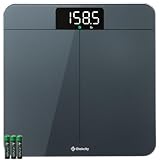
- 𝗨𝗻𝗺𝗮𝘁𝗰𝗵𝗲𝗱 𝗣𝗿𝗲𝗰𝗶𝘀𝗶𝗼𝗻: With 10 years of expertise, we’re trusted by over 5 million customers in 30+ countries. we take pride in our high-precision sensors—the core tech that's responsible for the accuracy in increments down to 0.05 lb
- 𝗪𝗲𝗶𝗴𝗵𝘁 𝗩𝗲𝗿𝗶𝗳𝗶𝗰𝗮𝘁𝗶𝗼𝗻 𝗗𝗼𝘂𝗯𝗹𝗲 𝗖𝗵𝗲𝗰𝗸 𝗧𝗲𝗰𝗵: Experience unmatched convenience and accuracy. Simply step on, and the scale quickly checks and ensures precise results—no need to tap or wait for the display to show zero
- 𝗠𝗲𝗮𝘀𝘂𝗿𝗲 𝗟𝗶𝗴𝗵𝘁 𝗜𝘁𝗲𝗺𝘀: Such a versatile scale. Not only can measure your body weight, but also easily weigh items as light as 100g like pets and their food with pinpoint accuracy
- 𝗘𝗮𝘀𝘆 𝘁𝗼 𝗥𝗲𝗮𝗱: Best choice for the elderly. The extra-bright LED display with large and clear numbers make it easy to read for all especially for the seniors, no need bending over or wearing presbyopic glasses
- 𝗨𝘁𝗺𝗼𝘀𝘁 𝗦𝗮𝗳𝗲 𝗮𝗻𝗱 𝗔𝗲𝘀𝘁𝗵𝗲𝘁𝗶𝗰: Expertly designed in California, our stylish scale fits seamlessly in your bedroom/bathroom/home. The sleek round corners, large anti-skid padding, and full-coverage bottom ensure durability and stability
Liver toxicity is especially problematic because obesity patients often require long-term, potentially lifelong treatment. Even a low-incidence liver injury risk can become unacceptable when extrapolated over millions of patients and extended durations. As a result, hepatic safety concerns tend to be more difficult to mitigate through labeling or risk management programs in this therapeutic area.
Can the Asset Be Salvaged Through Additional Studies?
In theory, development could resume if Pfizer demonstrates that the liver injury was idiosyncratic, non–drug-related, or confined to a specific patient subgroup. This would typically require extensive mechanistic analysis, re-review of all liver-related biomarkers, and possibly additional preclinical toxicology studies. Regulators may also require redesigned trials with enhanced liver monitoring or dose adjustments.
In practice, such remediation is costly, time-consuming, and uncertain. For a large pharmaceutical company with alternative capital allocation options, the hurdle rate for re-investment becomes very high. When a safety issue emerges early and the asset lacks clear best-in-class efficacy, sponsors often determine that the expected return no longer justifies the regulatory risk.
Strategic Considerations in a Crowded Obesity Market
The competitive landscape further reduces the incentive to salvage the program. The obesity market is increasingly dominated by incretin-based therapies with well-characterized safety profiles and strong real-world data. Any new entrant must demonstrate either superior efficacy, improved tolerability, or meaningful differentiation on dosing or delivery.
A liver injury signal places a candidate at a structural disadvantage relative to entrenched competitors. Even if regulators eventually allow trials to resume, physicians and payers may remain cautious, limiting commercial uptake. From a portfolio strategy standpoint, Pfizer may rationally conclude that capital is better deployed toward assets with cleaner safety narratives and clearer differentiation.
Implications for Pfizer’s Pipeline Risk Management
This decision illustrates how large pharmaceutical companies actively manage pipeline risk by terminating assets that introduce asymmetric downside. Continuing development in the face of unresolved safety signals can create reputational risk, regulatory friction, and potential post-marketing liabilities. Early termination, while costly in sunk R&D expense, often preserves long-term portfolio integrity.
For investors, the episode underscores a broader biotech risk management principle: safety signals, not efficacy shortfalls, are the most common cause of irreversible drug failure. Once organ toxicity enters the regulatory record, the probability-weighted value of an asset declines sharply. Pfizer’s willingness to halt development reflects disciplined capital allocation rather than an isolated research failure.
Broader Biotech Risk Lessons: How Investors Should Think About Safety Signals, Pipeline Concentration, and Risk Management
The Pfizer decision provides a useful case study for how investors should evaluate risk across the biotechnology and pharmaceutical sector. Beyond the specifics of obesity therapeutics, the episode highlights how safety signals propagate through valuation models, influence portfolio strategy, and expose structural vulnerabilities in pipeline construction. Understanding these dynamics is essential for interpreting future development halts across the industry.
Why Safety Signals Carry Outsized Weight in Drug Development
In clinical development, a safety signal refers to any evidence suggesting a potential causal relationship between a drug and an adverse medical event. A reported liver injury is particularly serious because the liver is a central metabolic organ, and drug-induced liver injury is one of the most common reasons for regulatory rejection or post-marketing withdrawal. Even a single credible case can trigger heightened regulatory scrutiny.
From an FDA perspective, liver injury raises questions about dose dependency, patient susceptibility, and long-term exposure risk. Regulators typically require extensive additional data to rule out idiosyncratic toxicity, delaying development timelines and increasing trial costs. As a result, safety concerns often reduce an asset’s probability of approval far more sharply than modest efficacy limitations.
How Safety Issues Cascade Through Pipeline Economics
Once a safety issue enters the clinical record, the economic profile of a drug candidate changes structurally. Development costs rise due to expanded monitoring, longer trials, and potential risk mitigation studies, while peak revenue expectations often decline due to labeling restrictions or physician hesitation. This combination compresses expected risk-adjusted returns, a metric that adjusts potential future cash flows by the probability of success.
For large pharmaceutical companies managing dozens of assets, capital is continuously reallocated toward programs with the highest probability-weighted value. When a safety signal coincides with intense market competition, as in obesity, management teams frequently conclude that continued investment no longer meets internal return thresholds. Termination, while negative in isolation, can be rational at the portfolio level.
Recommended Free Tools
Pipeline Concentration and the Illusion of Therapeutic Optionality
The obesity drug boom has highlighted a recurring investor misconception: that multiple shots on goal within a single therapeutic area meaningfully diversify risk. In practice, assets targeting similar biological pathways often share correlated safety and regulatory risks. A negative outcome for one program can increase skepticism toward adjacent candidates, particularly if they rely on similar mechanisms of action.
Pipeline concentration becomes especially risky when investor expectations embed future growth from a narrow set of high-profile indications. When one asset fails, valuation compression can extend beyond the specific program, affecting sentiment toward the entire pipeline. Pfizer’s broad commercial base mitigates this effect, but smaller biotech firms with obesity-centric pipelines face much higher downside volatility.
Implications for Valuation and Investor Risk Management
From a valuation standpoint, early-stage pipeline assets contribute probabilistic value rather than guaranteed earnings. Safety-related discontinuations remind investors that these contributions are inherently fragile and can disappear abruptly. Disciplined analysts therefore apply conservative success probabilities, particularly in crowded indications with elevated regulatory sensitivity.
At the portfolio level, the key lesson is the importance of diversification across mechanisms, therapeutic areas, and stages of development. Companies with balanced revenue streams and multiple independent growth drivers are better positioned to absorb clinical setbacks without impairing long-term equity value. Pfizer’s decision illustrates how proactive risk management, rather than reactive optimism, often preserves shareholder value over full development cycles.
Outdated Drivers Are Slowing You Down
One free scan finds every outdated or missing driver and matches the right update for your exact hardware.Free scan · exact hardware matchPC Slower Than It Used to Be?
A free scan shows the junk files, broken settings and background clutter dragging Windows down - then fixes them in one click.Free scan · Windows 10 & 11In sum, the halted obesity program is less a signal of strategic weakness than a demonstration of how safety, competition, and capital discipline intersect in modern drug development. For investors, the broader takeaway is clear: in biotechnology, managing downside risk is at least as important as identifying upside potential, and safety signals remain the most decisive inflection points in that equation.
Quick Recap
Product prices and availability are accurate as of the date/time indicated and are subject to change. Any price and availability information displayed on Amazon at the time of purchase will apply.




