Free tools Windows power users keep installed
One-click scans. No signup required.
Commercial General Liability insurance, commonly abbreviated as CGL, is the foundational risk transfer mechanism used by businesses to protect against third‑party legal claims arising from everyday operations. At its core, it addresses the financial consequences of allegations that a business caused bodily injury, property damage, or certain non‑physical harms to others. These claims are among the most frequent and financially disruptive exposures faced by organizations of all sizes and industries.
Unlike specialized insurance policies that address narrow risks, CGL insurance is designed to respond to broad, routine liability scenarios that occur simply by operating in the public marketplace. A customer slipping on a wet floor, damage caused to a client’s property during on‑site work, or an advertising claim alleging reputational harm can all trigger liability well before fault is legally established. Defense costs alone, which include attorney fees, court expenses, and settlements, can materially strain or destabilize a business’s balance sheet.


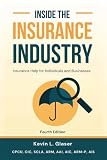


What Commercial General Liability Insurance Actually Covers
CGL coverage is typically organized into distinct coverage parts, each addressing a category of legal exposure. The most significant is bodily injury and property damage liability, which responds when a third party alleges physical injury or damage to tangible property caused by the business’s operations, premises, products, or completed work. Coverage applies regardless of whether the claim is ultimately proven, as long as the allegation falls within the policy’s insuring agreement.
Another core component is personal and advertising injury liability, which addresses non‑physical harms such as defamation, libel, slander, copyright infringement in advertising, or wrongful eviction. These claims are increasingly common in a digital and media‑driven business environment, where marketing, branding, and online content can generate legal disputes without any physical incident. The policy also includes medical payments coverage, which pays for minor injuries to third parties without requiring a lawsuit or admission of fault.
Quick wins for a faster PC:
Repair Windows errors before they cause bigger problemsFix Now →Scan for outdated or missing drivers - takes under a minuteDriver Scan →Clear out junk files and repair common Windows errorsFree Scan →#1 Best Overall
What CGL Insurance Does Not Cover
CGL insurance is not designed to absorb every form of business risk, and understanding its exclusions is as important as understanding its coverage. It does not cover damage to the business’s own property, employee injuries, professional errors, intentional acts, or purely contractual disputes. Those exposures are addressed through other policies such as commercial property insurance, workers’ compensation, professional liability, or employment practices liability insurance.
Exclusions also apply to risks that are considered uninsurable or inappropriate for general liability pooling, such as known defects, pollution (with limited exceptions), and certain cyber‑related harms. The presence of coverage exclusions does not diminish the value of CGL insurance; rather, it defines its role as a general liability instrument that must be coordinated with other coverages to form a complete risk management program.
How Policy Limits and Structure Affect Financial Protection
CGL policies are governed by limits of insurance, which represent the maximum amount the insurer will pay for covered claims. Most policies include a per‑occurrence limit, which applies to each individual claim, and an aggregate limit, which caps the total amount payable during the policy period. Once these limits are exhausted, the business is responsible for any additional costs, regardless of legal obligation.
The structure of these limits directly influences the business’s retained financial risk. Lower limits may reduce premiums but expose the organization to potentially catastrophic out‑of‑pocket losses if a severe claim occurs. Higher limits, often supplemented by umbrella or excess liability policies, are used to align insurance protection with the scale of operations, contractual requirements, and the business’s tolerance for volatility.
Do these 3 things before closing this tab:
1Repair Windows errors before they cause bigger problems2Scan for outdated or missing drivers - takes under a minute3Clear out junk files and repair common Windows errorsWhy Nearly Every Business Requires CGL Coverage
The need for CGL insurance is not driven by industry‑specific hazards alone, but by the inherent unpredictability of third‑party claims. Any business that interacts with customers, vendors, landlords, or the general public creates legal exposure, even when operations are well‑managed and compliant. Liability arises from allegations, not from proven negligence, making defense costs an unavoidable financial reality.
Beyond risk transfer, CGL insurance functions as a commercial necessity. Many leases, client contracts, vendor agreements, and financing arrangements explicitly require evidence of general liability coverage as a condition of doing business. In this sense, CGL insurance is not merely a protective tool, but a prerequisite for participation in modern commerce and a baseline safeguard for organizational continuity.
Core Risks Covered by CGL: Bodily Injury, Property Damage, Personal & Advertising Injury
Within the broader framework of Commercial General Liability insurance, coverage is organized around defined categories of third‑party harm. These categories determine when the insurer has a duty to defend the business and, if liability is established, to pay covered damages up to the policy’s limits. Understanding these core risks is essential for evaluating whether a CGL policy aligns with the organization’s operational exposures.
Bodily Injury Liability
Bodily injury liability addresses claims alleging physical harm, sickness, or disease sustained by a third party as a result of the business’s operations, premises, or completed work. This includes medical expenses, lost wages, and legal damages sought by injured parties. Coverage is triggered by allegations, not by a final determination of fault, which makes defense cost protection a central financial component.
Common examples include customer slip‑and‑fall incidents, injuries caused by falling objects, or harm resulting from routine business activities conducted off‑site. The policy generally responds only when the injured party is not an employee, as employee injuries are typically addressed through workers’ compensation insurance. Intentional acts and expected injuries are excluded, reinforcing that CGL is designed for accidental events.
Property Damage Liability
Property damage liability applies to claims involving physical injury to, or loss of use of, tangible property owned by a third party. Tangible property refers to physical assets such as buildings, equipment, inventory, or personal belongings. The coverage extends to situations where property is not physically damaged but cannot be used due to the business’s actions.
Examples include a contractor damaging a client’s structure, a fire spreading to adjacent premises, or a plumbing error causing water damage to neighboring property. Damage to the business’s own property is not covered under CGL and requires separate commercial property insurance. Similarly, damage to products or work performed by the insured is often limited or excluded under standard policy provisions.
Personal and Advertising Injury Liability
Personal and advertising injury liability addresses non‑physical harms arising from communication or reputational disputes. Covered offenses typically include libel, slander, defamation, invasion of privacy, wrongful eviction, and certain intellectual property violations related to advertising activities. This coverage reflects the legal risks associated with marketing, publishing, and routine business communications.
Claims may arise from alleged false statements in advertisements, improper use of another party’s advertising idea, or reputational harm caused by published content. Coverage is narrowly defined and does not extend to intentional misconduct, knowing violations of rights, or contractual disputes. As with other CGL coverages, the insurer’s duty to defend often represents a substantial portion of the policy’s financial value.
Defense Costs and Legal Expense Treatment
Across all covered categories, CGL insurance typically provides legal defense against covered claims, even when allegations are groundless. Defense costs include attorney fees, court costs, and related legal expenses incurred in responding to a claim or lawsuit. In most standard policies, these costs are paid outside the limits of insurance, preserving the full limit for potential settlements or judgments.
The treatment of defense costs materially affects financial protection and varies by policy form and insurer. Businesses with frequent public interaction or contractual exposure should closely examine how defense obligations are structured. This component underscores that CGL insurance functions not only as indemnification for losses, but as a financial buffer against the legal process itself.
What CGL Insurance Does NOT Cover: Common Exclusions and Costly Misconceptions
Despite its broad scope, Commercial General Liability insurance is not a catch‑all risk solution. Its protections are defined as much by exclusions as by covered causes of loss, and misunderstandings about these limits frequently lead to uncovered claims. A precise understanding of what CGL does not insure is essential for evaluating residual risk and structuring a complete insurance program.
Professional Services and Errors or Omissions
CGL insurance excludes claims arising from professional advice, design work, consulting services, or specialized expertise. These exposures are classified as professional liability, often referred to as errors and omissions (E&O) risk, which involves financial harm caused by alleged negligence in professional judgment rather than bodily injury or property damage. Even minor advisory activities can trigger this exclusion if they contribute to a client’s financial loss.
Businesses that blend operational work with advisory functions frequently assume CGL coverage applies to both. In practice, professional liability claims are categorically excluded and require a separate policy specifically designed for service‑based risks.
Damage to the Business’s Own Property and Work
CGL insurance does not cover damage to property owned, rented, or controlled by the insured. This includes buildings, equipment, inventory, and other physical assets, which fall under commercial property insurance. The exclusion reflects the policy’s purpose: addressing liability to third parties rather than first‑party losses.
Additionally, damage to the insured’s own completed work or defective products is generally excluded. While resulting damage to other property may be covered, the cost to repair or replace the faulty work itself is not, often surprising contractors and manufacturers.
What’s actually slowing this PC down?
Pick the symptom - the matching free tool is one click away.
Automobile and Transportation-Related Losses
Liability arising from the ownership, maintenance, or use of vehicles is excluded under standard CGL forms. This applies to owned vehicles, hired vehicles, and, in many cases, employee‑owned vehicles used for business purposes. Such risks are intended to be covered under commercial auto liability insurance.
Businesses with delivery operations or frequent off‑site travel often underestimate this gap. Without dedicated auto coverage, accident‑related bodily injury and property damage claims fall entirely outside CGL protection.
Employee Injuries and Employment Practices
CGL insurance excludes bodily injury to employees arising out of and in the course of employment. These claims are addressed through workers’ compensation insurance, which provides statutory medical and wage benefits regardless of fault. The exclusion applies even when the employer is alleged to have been negligent.
Employment‑related claims such as wrongful termination, discrimination, harassment, or retaliation are also excluded. These risks are categorized as employment practices liability and require a separate policy due to their distinct legal framework and loss patterns.
The Tool Desk
Outbyte PC Repair FREERepair Windows errors before they cause bigger problemsFix Now →Outbyte Driver Updater FREEFix the driver behind crashes, sound loss and screen glitchesFind Drivers →Intentional Acts and Expected Injuries
Losses resulting from intentional wrongdoing or expected harm are not covered under CGL insurance. This includes deliberate acts where injury or damage was intended or reasonably anticipated by the insured. Insurance is designed to address fortuitous events, not deliberate misconduct.
This exclusion often applies in disputes involving assault allegations, fraud, or knowingly unlawful business practices. Even when defense may be initially provided, indemnification is typically barred if intent is established.
Pollution, Environmental, and Hazardous Materials
Most CGL policies contain broad pollution exclusions eliminating coverage for environmental contamination, hazardous waste, or the release of pollutants. These exclusions apply regardless of whether the release was sudden or gradual, accidental or ongoing. Cleanup costs, regulatory fines, and related third‑party claims are generally excluded.
Businesses involved in manufacturing, transportation, construction, or property ownership often face heightened exposure in this area. Environmental liability insurance is required to address risks that CGL policies explicitly remove.
PC Slower Than It Used to Be?
A free scan shows the junk files, broken settings and background clutter dragging Windows down - then fixes them in one click.Free scan · Windows 10 & 11Outdated Drivers Are Slowing You Down
One free scan finds every outdated or missing driver and matches the right update for your exact hardware.Free scan · exact hardware matchCyber Liability and Data Breaches
CGL insurance does not meaningfully cover losses arising from data breaches, cyberattacks, or unauthorized access to digital information. Electronic data is typically excluded from the definition of property damage, and privacy‑related claims are narrowly constrained. Costs such as notification expenses, forensic investigations, and regulatory penalties are outside CGL coverage.
As digital operations expand across industries, reliance on CGL for cyber risk represents a significant misconception. Cyber liability insurance is structured to address both first‑party and third‑party digital exposures.
Contractual Assumptions of Liability
While CGL policies provide limited coverage for certain insured contracts, broad assumptions of liability through contracts are often excluded. This includes indemnification agreements where the business agrees to take responsibility beyond what would exist under common law. The distinction between covered and excluded contractual liability depends on precise policy language.
Businesses that routinely sign vendor agreements, leases, or service contracts frequently overestimate how much contractual risk CGL absorbs. Unreviewed indemnity provisions can create uninsured exposures with significant financial consequences.
Liquor Liability and Regulated Activities
Liability arising from the sale, service, or furnishing of alcohol is excluded for businesses engaged in those activities. Claims involving intoxication, impaired judgment, or alcohol‑related injuries require separate liquor liability insurance. The exclusion applies even when alcohol service is incidental to operations.
Similarly, highly regulated activities such as aviation, maritime operations, or nuclear exposure are excluded. These risks are insured through specialized markets due to their severity and regulatory complexity.
Punitive Damages and Non‑Insurable Losses
Punitive or exemplary damages, intended to punish rather than compensate, are excluded under many CGL policies and may be uninsurable under state law. Coverage availability depends on jurisdiction and specific policy endorsements. Fines, penalties, and sanctions imposed by governmental authorities are also commonly excluded.
These limitations reinforce that CGL insurance is designed to address compensatory civil liability, not regulatory enforcement or punitive financial consequences. Understanding these boundaries is critical when assessing worst‑case financial exposure.
Recommended Free Tools
Inside a CGL Policy: Coverage Parts, Occurrence vs. Claims-Made, and Key Definitions
Understanding the exclusions and limitations of a Commercial General Liability policy naturally leads to a closer examination of how the policy itself is constructed. A CGL policy is not a single blanket grant of coverage, but a standardized contract organized into distinct coverage parts, definitions, conditions, and endorsements. Each component determines when coverage applies, how limits are triggered, and which parties are protected.
The structure of the policy is as important as the coverage itself. Misunderstanding how these elements interact is a common cause of uncovered claims and unexpected financial exposure.
The Three Core Coverage Parts
Most CGL policies are divided into three primary coverage parts, commonly labeled Coverage A, Coverage B, and Coverage C. Each part addresses a different category of risk and operates under separate insuring agreements, exclusions, and limits.
Coverage A, Bodily Injury and Property Damage Liability, is the foundation of the CGL. It applies to third‑party claims alleging physical injury, sickness, disease, or damage to tangible property caused by an occurrence. Slip‑and‑fall injuries, customer property damage, and accidental harm caused by operations typically fall under this section.
Coverage B, Personal and Advertising Injury Liability, addresses non‑physical harms arising from business activities. This includes claims alleging defamation, libel, slander, invasion of privacy, wrongful eviction, or the use of another party’s advertising ideas. Coverage is limited to specific enumerated offenses and does not apply to general reputational or economic harm.
Coverage C, Medical Payments, provides limited no‑fault coverage for medical expenses incurred by non‑employees injured on the insured’s premises or as a result of operations. Unlike Coverages A and B, it does not require a lawsuit or allegation of negligence. Coverage C is designed to resolve minor incidents quickly and reduce the likelihood of litigation.
Occurrence-Based Coverage Versus Claims-Made Coverage
The vast majority of CGL policies are written on an occurrence basis. An occurrence policy responds to claims based on when the injury or damage took place, regardless of when the claim is reported. If the incident occurs during the policy period, coverage is triggered even if the lawsuit is filed years later.
This structure is particularly important for bodily injury claims, which may involve delayed symptoms or long-tail litigation. Occurrence-based coverage creates lasting protection tied to the policy year in which operations occurred. As a result, older policy periods retain value long after expiration.
The Tool Desk
Outbyte PC Repair FREERepair Windows errors before they cause bigger problemsFix Now →Outbyte Driver Updater FREEFix the driver behind crashes, sound loss and screen glitchesFind Drivers →Claims-made coverage, by contrast, responds only if the claim is first made and reported during the active policy period. While claims-made forms are common in professional liability insurance, they are rare in standard CGL policies. When claims-made coverage applies, maintaining continuous coverage and properly structured retroactive dates is critical to avoid coverage gaps.
Policy Limits and How They Apply
CGL limits define the maximum amount the insurer will pay for covered claims. These limits are typically expressed through a combination of per‑occurrence limits, aggregate limits, and sublimits applicable to specific coverage parts. Understanding how these limits interact is essential to evaluating financial protection.
The per‑occurrence limit caps the amount payable for any single occurrence, such as a single accident or event. The general aggregate limit caps the total amount payable for all claims during the policy period, subject to certain exceptions. Some policies include a separate products‑completed operations aggregate that applies specifically to claims arising after work has been completed.
Defense costs are another critical consideration. Most CGL policies provide defense outside the limits, meaning legal expenses do not erode the policy’s liability limits. However, this treatment is governed by policy language and should never be assumed without review.
Key Definitions That Control Coverage
Several defined terms in a CGL policy have an outsized impact on how coverage applies. The term occurrence is typically defined as an accident, including continuous or repeated exposure to substantially the same harmful conditions. Courts frequently analyze this definition when determining whether multiple claims arise from one occurrence or several.
The definition of bodily injury generally includes physical harm, sickness, or disease, and may include mental anguish only when it results from physical injury. Property damage is usually limited to physical injury to tangible property or loss of use of tangible property that is not physically injured. Intangible losses, such as lost profits without physical damage, are typically excluded.
Rank #3
The term insured is also carefully defined and extends beyond the named business entity. Officers, directors, employees, and in some cases volunteers or real estate managers may qualify as insureds when acting within the scope of their duties. Coverage does not apply to every action by every associated individual, making role and context legally significant.
Conditions, Endorsements, and Policy Customization
Policy conditions establish the insured’s obligations, including notice of claims, cooperation with the insurer, and prohibition against voluntary payments. Failure to comply with these conditions can jeopardize coverage even when a claim would otherwise be covered.
Do these 3 things before closing this tab:
1Repair Windows errors before they cause bigger problems2Fix the driver behind crashes, sound loss and screen glitches3Clear out junk files and repair common Windows errorsEndorsements modify the standard policy form by adding, restricting, or clarifying coverage. Common endorsements include additional insured provisions, waiver of subrogation, and modifications to exclusions. These changes can materially alter risk allocation between parties and are often required by contracts.
A CGL policy should be viewed as a modular legal document rather than a fixed product. Its effectiveness depends on how coverage parts, definitions, limits, exclusions, and endorsements work together to address the specific liability profile of the business.
Understanding Limits, Deductibles, and Aggregates: How Much Coverage Is Enough?
Once coverage terms, conditions, and endorsements are understood, the financial architecture of a Commercial General Liability policy becomes the decisive factor in risk transfer. Limits, deductibles, and aggregates determine not whether a claim is covered, but how much financial protection is actually available when losses occur. These elements operate together and must be evaluated in relation to the business’s operational risk, contractual obligations, and balance sheet tolerance.
Per Occurrence Limits: The Foundation of Liability Protection
The per occurrence limit is the maximum amount the insurer will pay for a single covered claim or loss arising from one occurrence. An occurrence may involve multiple claimants or injuries but is treated as one event under the policy definition. Once this limit is exhausted, the insured is responsible for any remaining damages associated with that occurrence.
Crashes, No Sound, or Screen Glitches?
Random freezes, missing sound and display glitches usually trace back to one bad driver. Find and replace yours safely.Free scan · under a minutePC Slower Than It Used to Be?
A free scan shows the junk files, broken settings and background clutter dragging Windows down - then fixes them in one click.Free scan · Windows 10 & 11For many small and mid-sized businesses, standard per occurrence limits such as $1 million are common, but adequacy depends on loss severity rather than claim frequency. Businesses with public-facing operations, physical premises, or products that could cause serious bodily injury face higher potential verdicts and settlements. Medical costs, legal defense expenses, and jury awards have increased materially over time, placing pressure on lower limits.
General Aggregate Limits: The Annual Cap on Coverage
The general aggregate limit is the maximum amount the insurer will pay for all covered claims during the policy period, typically one year. Once the aggregate is exhausted, no further coverage applies regardless of the number of claims. This limit functions as a cumulative cap on the insurer’s total liability.
Certain coverages, such as products-completed operations, may have separate aggregates, while others erode the general aggregate. Multiple moderate claims can deplete the aggregate faster than expected, particularly in businesses with frequent customer interaction. Aggregate adequacy is therefore a measure of both claim severity and operational volume.
Products-Completed Operations Aggregate: Long-Tail Exposure
The products-completed operations aggregate applies to bodily injury or property damage occurring away from the insured’s premises and arising from completed work or sold products. This exposure is especially significant for manufacturers, contractors, installers, and distributors. Claims may arise months or years after work is completed, creating long-tail liability.
Because these claims often involve serious injury or property damage, losses can be large and unpredictable. A separate aggregate provides some structural protection, but it is still finite. Businesses with ongoing production or installation activities must evaluate how quickly this aggregate could be eroded by a single systemic defect or failure.
Deductibles and Self-Insured Retentions: Risk Sharing Mechanics
A deductible is the amount the insured must pay before the insurer responds to a covered loss. In CGL policies, deductibles often apply to property damage claims and, less commonly, to bodily injury. A self-insured retention (SIR) is similar but typically requires the insured to manage and pay claims up to the retention amount before insurance applies.
Higher deductibles or SIRs reduce premium costs but increase the insured’s cash flow exposure at the time of loss. This trade-off should be evaluated in the context of liquidity, claims management capability, and loss predictability. Inadequate financial resources can turn a manageable claim into an operational disruption.
Defense Costs and Limit Erosion
Most standard CGL policies pay defense costs outside the stated limits, meaning legal expenses do not reduce the available indemnity limit. However, this structure is policy-specific and can be altered by endorsements or manuscript forms. In contrast, some excess or non-standard policies may include defense costs within limits.
Defense obligations are often more valuable than indemnity payments, particularly for claims that are ultimately dismissed or settled without payment. Legal fees can accumulate rapidly even when liability is uncertain. Understanding whether defense costs erode limits is essential when evaluating how long coverage will realistically last during prolonged litigation.
Evaluating “Enough” Coverage: Legal, Contractual, and Financial Perspectives
Determining sufficient limits is not a purely numerical exercise. Contractual requirements, such as leases, customer agreements, or vendor contracts, frequently mandate specific minimum limits and aggregates. Failure to meet these requirements can result in breach of contract regardless of actual loss experience.
From a financial perspective, limits should be assessed against worst-case plausible scenarios rather than average claims. Court judgments, settlement trends, and jurisdictional liability standards all influence potential exposure. When primary limits are insufficient to absorb catastrophic losses, excess or umbrella liability policies are commonly used to extend protection above the CGL limits without altering the underlying coverage structure.
How CGL Premiums Are Determined: Industry Risk, Revenue, Payroll, and Claims History
After coverage limits, deductibles, and defense structures are defined, the next analytical step is understanding how insurers price the risk being transferred. CGL premiums are not arbitrary; they are derived from actuarial models that estimate the probability and severity of third-party injury or property damage claims. These models rely on objective exposure measures that correlate business activity with loss potential.
Quick wins for a faster PC:
Scan for outdated or missing drivers - takes under a minuteDriver Scan →Clear out junk files and repair common Windows errorsFree Scan →Fix the driver behind crashes, sound loss and screen glitchesFind Drivers →Premium calculations begin with standardized industry classifications, then adjust for scale, operational footprint, and historical loss performance. The goal is to align premium with expected claims cost over time, not to predict individual outcomes. Each pricing component reflects a different dimension of liability exposure.
Industry Classification and Inherent Risk
Every business is assigned an industry classification code that reflects its primary operations, such as contracting, retail, manufacturing, or professional services. These codes are developed by rating organizations and group businesses with similar loss characteristics. Industries with frequent public interaction, physical work, or hazardous processes carry higher baseline rates.
The classification establishes the starting rate before any company-specific adjustments are applied. For example, a janitorial service and a software developer may have similar revenues, but their liability exposure differs materially due to the nature of their operations. Industry risk is therefore the foundation of CGL pricing.
Revenue as a Measure of Public Exposure
For many service-oriented and retail businesses, gross revenue is used as the primary exposure base. Revenue serves as a proxy for how often a business interacts with customers, clients, or the general public. Higher revenue typically indicates greater transaction volume and, by extension, more opportunities for third-party claims.
Premiums are calculated by applying an industry-specific rate to revenue, usually expressed per $1,000 or $1,000,000 of sales. This method assumes that liability exposure scales with business activity rather than profitability. Revenue reporting accuracy is critical, as underreporting can lead to premium audits and retroactive charges.
Payroll and Labor-Driven Liability Exposure
For construction, contracting, and labor-intensive operations, payroll is often a more accurate exposure metric than revenue. Payroll reflects the number of employees, hours worked, and intensity of on-site activity, all of which influence the likelihood of bodily injury or property damage to third parties. Certain job functions may be rated separately if they present different risk levels.
Payroll-based rating focuses on operational presence rather than financial throughput. A business with modest revenue but a large field workforce may present greater liability exposure than a high-revenue, low-labor firm. Insurers rely on detailed payroll classifications to refine pricing precision.
Claims History and Loss Experience
Past claims are a strong indicator of future loss potential, particularly when patterns emerge over multiple policy periods. Insurers evaluate both claim frequency and severity, as well as how losses were resolved. A single severe claim may be less concerning than recurring small claims that suggest systemic risk issues.
Loss experience is often incorporated through experience modification factors or underwriting credits and debits. These adjustments reward consistent loss control and penalize repeated or poorly managed claims. Even when claims are defensible, frequent litigation can materially increase premium costs.
Additional Rating Modifiers and Underwriting Adjustments
Beyond core exposure metrics, insurers apply underwriting judgment to account for risk controls, contractual risk transfer, and operational complexity. Factors such as written safety programs, contractual indemnification, additional insured requirements, and geographic jurisdiction can all influence pricing. Certain endorsements or broadened coverages may also increase premium.
These modifiers fine-tune the premium to reflect how risk is managed, not just how risk exists. Businesses with disciplined risk management practices often achieve more favorable pricing over time. Conversely, poor documentation or unclear operations introduce uncertainty, which insurers typically price conservatively.
Independent reader supportYour contribution helps us test, update, and keep practical guides available for everyone.Structuring CGL Coverage Correctly: Tailoring Policies by Business Type and Operations
Premium calculations and underwriting modifiers establish pricing, but coverage structure determines whether a Commercial General Liability (CGL) policy responds as intended when a claim occurs. CGL insurance is not a uniform product; its effectiveness depends on how closely policy terms align with the insured’s actual operations. Misalignment between operations and coverage definitions is a common source of uncovered losses.
Recommended Free Tools
Proper structuring begins with a precise description of business activities, locations, and third-party interactions. Insurers rely on these disclosures to apply correct classifications, coverage forms, and endorsements. Inaccurate or overly broad descriptions can result in coverage gaps even when premiums are fully paid.
Premises-Based Businesses and Customer-Facing Operations
Retailers, restaurants, medical offices, and similar businesses face elevated premises liability exposure, defined as bodily injury or property damage arising from the condition or use of owned or leased space. Slip-and-fall incidents, falling objects, and inadequate maintenance are common loss drivers. CGL policies for these businesses must clearly include all locations, including ancillary spaces such as parking areas or storage units.
Coverage limits should reflect customer volume, hours of operation, and public accessibility. High foot traffic increases claim frequency risk, while extended operating hours increase exposure duration. Failure to schedule all locations or accurately represent public access can restrict coverage applicability.
Contractors and Trade-Based Operations
Construction and trade contractors face liability arising from jobsite activities, subcontracted work, and completed operations. Completed operations coverage applies after work is finished and is critical for claims alleging defective workmanship causing bodily injury or property damage. Excluding or underinsuring this coverage materially weakens protection.
Free tools Windows power users keep installed
One-click scans. No signup required.
Contractual risk transfer is central to contractor CGL structure. Many contracts require additional insured status, primary and non-contributory wording, and waiver of subrogation. These requirements must be satisfied through specific endorsements, as standard CGL forms do not automatically meet contractual obligations.
Product-Oriented Businesses and Manufacturers
Manufacturers, wholesalers, and distributors face product liability exposure, which arises when a product causes injury or damage after leaving the insured’s control. This exposure is covered under the products-completed operations hazard section of a CGL policy. The risk persists long after sale, making adequate aggregate limits particularly important.
Product type, distribution territory, and end-user application influence coverage structure. Products incorporated into other goods, used in safety-critical applications, or sold internationally may require specialized endorsements or separate policies. Standard CGL forms may exclude certain products, materials, or foreign jurisdictions unless explicitly endorsed.
Professional Services and Hybrid Operations
Businesses that combine physical operations with professional services require careful delineation between CGL and professional liability coverage. CGL policies generally exclude professional services, defined as services requiring specialized knowledge or judgment. Claims alleging errors, omissions, or negligent advice fall outside CGL scope.
What’s actually slowing this PC down?
Pick the symptom - the matching free tool is one click away.
Hybrid businesses, such as design-build firms or technology installers, must ensure that operational liability remains covered while professional exposures are addressed separately. Overreliance on CGL to respond to professional claims is a frequent structural error. Clear role definitions and coordinated policy placement are essential.
Multi-Location, Mobile, and Off-Site Operations
Businesses operating across multiple locations or job sites must ensure coverage applies wherever operations occur. CGL policies typically cover operations within defined territories, but newly acquired locations or temporary sites may require reporting within specified timeframes. Failure to comply can limit coverage.
Mobile operations, such as service technicians or delivery teams, shift exposure from premises liability to operations liability. Coverage must contemplate off-site work, customer property damage, and incidental use of third-party premises. Vehicle-related exposures remain excluded and must be addressed through commercial auto insurance.
Limits, Aggregates, and Structural Adequacy
CGL policies include per-occurrence limits, which cap payment for a single claim, and aggregate limits, which cap total payments during the policy period. Businesses with recurring exposure, seasonal spikes, or long-tail claims may exhaust aggregate limits faster than expected. Once exhausted, no further coverage applies until renewal.
Limit selection is a structural decision, not merely a pricing one. Contractual requirements, venue severity, and litigation trends influence limit adequacy. Umbrella or excess liability policies are often used to extend limits above the CGL, but they rely on the underlying policy being correctly structured.
Endorsements and Exclusions as Structural Determinants
Endorsements modify standard CGL terms by adding, restricting, or clarifying coverage. Common endorsements address additional insureds, specific operations, designated locations, or exclusion of high-risk activities. Each endorsement alters how and when coverage applies.
Equally important are exclusions, which define what the policy does not cover. Broad or poorly understood exclusions can negate coverage for core operations. Structural integrity requires reviewing exclusions in the context of actual business activities, not in isolation from policy declarations.
Ongoing Alignment Between Operations and Coverage
Business operations evolve through growth, diversification, or contraction, and CGL structure must evolve accordingly. Changes in services, products, locations, or contractual relationships can materially alter liability exposure. Policies structured for prior operations may no longer respond appropriately.
What’s actually slowing this PC down?
Pick the symptom - the matching free tool is one click away.
Maintaining alignment requires periodic reassessment of classifications, endorsements, and limits. Coverage effectiveness depends not on the existence of a policy, but on its continued accuracy in reflecting how the business operates in practice.
CGL vs. Other Liability Policies: When You Need Professional, Product, or Umbrella Coverage
As liability exposure becomes more specialized, the boundaries of Commercial General Liability (CGL) coverage become more consequential. CGL is designed to address third-party bodily injury, property damage, and certain personal and advertising injuries arising from premises, operations, and completed work. It is not a universal liability solution and must be coordinated with other policies that address distinct risk categories.
Understanding where CGL stops and other liability policies begin is essential to maintaining structural adequacy. Overlapping assumptions about coverage are a common source of uninsured loss.
CGL vs. Professional Liability Insurance
Professional liability insurance, often called errors and omissions (E&O) coverage, responds to claims alleging financial harm caused by professional services, advice, or failure to perform as expected. These claims typically involve negligence, misrepresentation, or inadequate work product rather than bodily injury or physical property damage.
Free tools Windows power users keep installed
One-click scans. No signup required.
CGL policies explicitly exclude professional services because these losses are performance-based rather than accidental. A consultant, designer, accountant, technology firm, or healthcare-related business cannot rely on CGL to address service-related disputes. When revenue is driven by expertise, judgment, or intellectual output, professional liability coverage becomes structurally necessary rather than optional.
CGL vs. Product Liability Coverage
Product liability addresses bodily injury or property damage caused by a product after it has been sold or distributed. In many cases, this exposure is included within the CGL under the products-completed operations hazard, which applies to off-premises injuries caused by finished work or products.
However, inclusion does not guarantee adequacy. Businesses that manufacture, import, rebrand, or distribute products face severity risks that may exceed standard CGL limits or trigger exclusions related to recalls, known defects, or product efficacy. Standalone or enhanced product liability policies are often used when product exposure is central to operations or when contractual partners require higher or more specialized limits.
CGL vs. Umbrella and Excess Liability Policies
Umbrella and excess liability policies are designed to increase the amount of available insurance above underlying policies such as CGL, commercial auto, and employers liability. Excess policies typically follow the terms of the underlying coverage, while umbrella policies may provide broader protection for certain claims not covered by the primary policy.
These policies do not replace CGL; they depend on it. If the underlying CGL contains restrictive exclusions, improper classifications, or inadequate limits, the umbrella cannot correct those structural deficiencies. Umbrella coverage is most effective when used to address severity risk, such as catastrophic injury claims, rather than to compensate for gaps in primary coverage.
Coordinating Policies to Avoid Coverage Gaps
Each liability policy addresses a specific category of risk, defined by the nature of the alleged harm rather than the business entity itself. CGL responds to accidental physical injury and damage, professional liability responds to performance failures, and umbrella policies respond to loss magnitude rather than loss type.
Effective coordination requires aligning policy triggers, limits, and exclusions across all liability policies. When coverage is structured in isolation, claims may fall between policies or exhaust limits unexpectedly. Structural integrity is achieved when each policy is designed to perform a defined role within the broader liability framework.
Evaluating Liability Needs Based on Operational Reality
Determining which liability policies are required depends on how a business actually operates, not how it is labeled. A company that both sells products and provides technical advice may require CGL, product liability enhancements, and professional liability coverage simultaneously.
The Tool Desk
Outbyte PC Repair FREERepair Windows errors before they cause bigger problemsFix Now →Outbyte Driver Updater FREEScan for outdated or missing drivers - takes under a minuteDriver Scan →As operations evolve, liability exposure shifts across policy lines. Regular reassessment ensures that CGL remains appropriately positioned within the broader insurance structure, functioning as a foundational layer rather than a misplaced substitute for specialized coverage.
Claims, Contracts, and Risk Management: How to Reduce Liability Exposure and Maximize Protection
Once Commercial General Liability insurance is properly structured within the broader liability framework, attention must shift to how claims arise, how contracts transfer risk, and how operational controls influence loss outcomes. CGL does not operate in isolation; it responds to real-world disputes shaped by contractual obligations, documented practices, and post-loss decision-making.
Liability exposure is ultimately determined as much by governance and process as by policy language. Businesses that actively manage claims, contracts, and risk controls reduce both the frequency of losses and the severity of financial consequences when claims occur.
Understanding the CGL Claims Process and Legal Defense
CGL policies are triggered by claims alleging bodily injury, property damage, or personal and advertising injury caused by an occurrence, meaning an accidental event neither expected nor intended. A claim typically begins with a demand letter, lawsuit, or notice of injury, not with a court judgment. Prompt reporting is critical because late notice can impair the insurer’s ability to investigate and defend the claim.
One of the most valuable features of CGL is the duty to defend. This means the insurer must pay legal defense costs, even for allegations that are groundless, false, or fraudulent, as long as the claim potentially falls within coverage. Defense costs are often paid outside the policy limit, preserving indemnity limits for settlements or judgments.
How Contracts Expand or Restrict Liability Exposure
Contracts frequently shape liability more than statutes or common law. Indemnification clauses require one party to assume responsibility for certain losses, while hold harmless provisions limit the other party’s ability to recover damages. These clauses can effectively shift liability onto a business regardless of fault.
CGL policies provide limited contractual liability coverage, typically for liability the insured would have had in the absence of the contract or for defined “insured contracts,” such as leases or easement agreements. When contracts impose obligations beyond these definitions, coverage may not respond. Contract review is therefore a risk management function, not merely a legal formality.
Additional Insured Status and Risk Transfer Mechanics
Many contracts require one party to add another as an additional insured on its CGL policy. Additional insured status extends coverage for liability arising out of the named insured’s operations or premises. This mechanism transfers defense and indemnity costs to the party best positioned to control the underlying risk.
However, additional insured endorsements are not uniform. Some limit coverage to ongoing operations, exclude completed operations, or restrict coverage to the minimum required by contract. Failure to align contract language with policy endorsements can result in unintended uninsured exposure.
Claims Frequency, Severity, and Premium Impact
CGL premiums are influenced by both claims frequency, meaning how often losses occur, and claims severity, meaning how costly those losses become. Repeated low-dollar claims can signal operational weaknesses, while a single severe injury can exhaust policy limits and trigger umbrella coverage.
Insurers analyze loss history, payroll, revenue, industry classification, and risk controls when pricing coverage. Businesses with documented safety programs, incident reporting procedures, and contract review protocols often experience more favorable underwriting outcomes. Premium reflects expected loss behavior, not just company size.
Operational Risk Management as the First Line of Defense
Insurance transfers financial risk, but it does not prevent claims from occurring. Effective risk management focuses on identifying hazards, controlling processes, and documenting compliance. Examples include premises inspections, vendor qualification standards, employee training, and formal incident response procedures.
Documentation plays a critical role in claims defense. Clear contracts, maintenance records, and incident reports provide factual evidence that can reduce liability or accelerate claim resolution. In many cases, disciplined documentation is as valuable as the policy itself.
Aligning Risk Management with Coverage Strategy
CGL is most effective when paired with intentional risk governance. Policy limits should reflect worst-case loss scenarios, not average claims. Exclusions should be understood and addressed through operational changes or complementary policies rather than ignored.
Risk management, contract design, and insurance structure must evolve together. When these elements are aligned, CGL functions as a stabilizing financial mechanism rather than a reactive expense. The result is reduced volatility, stronger legal positioning, and a more predictable cost of risk across the business lifecycle.
In a comprehensive liability program, insurance absorbs financial shock, contracts allocate responsibility, and risk management reduces the likelihood that either will be tested. Businesses that integrate all three achieve protection that is not only broader, but structurally resilient.
Do these 3 things before closing this tab:
1Scan for outdated or missing drivers - takes under a minute2Repair Windows errors before they cause bigger problems3Fix the driver behind crashes, sound loss and screen glitchesQuick Recap
Product prices and availability are accurate as of the date/time indicated and are subject to change. Any price and availability information displayed on Amazon at the time of purchase will apply.




