Do these 3 things before closing this tab:
1Repair Windows errors before they cause bigger problems2Scan for outdated or missing drivers - takes under a minute3Clear out junk files and repair common Windows errorsNew York’s inflation refund checks are state-issued, one-time cash payments authorized through the state budget to offset the rising cost of living experienced by households over the past several years. These payments are not loans, rebates for specific purchases, or advances on future tax refunds. They are direct relief payments funded by excess state tax revenues, primarily driven by higher-than-expected sales and income tax collections during periods of elevated inflation.
The rationale for issuing these checks now is rooted in fiscal timing. Inflation increased state tax receipts as consumers paid more for goods and services, even as household purchasing power declined. New York lawmakers chose to return a portion of that surplus to residents, framing the payments as a partial correction for inflation-driven tax overcollection rather than as a permanent benefit expansion.
How the inflation refund program works
The inflation refund checks are administered by the New York State Department of Taxation and Finance using existing tax records. Eligibility is based on prior-year New York State personal income tax filings, which allows the state to identify qualifying households without requiring a separate application. This design reduces administrative burden and limits delays that often accompany new benefit programs.
The checks are mailed or electronically deposited automatically, depending on how a taxpayer previously received state tax refunds. Households that did not receive refunds by direct deposit typically receive paper checks by mail, which is why many residents are first learning about the program when payments arrive unexpectedly.
What’s actually slowing this PC down?
Pick the symptom - the matching free tool is one click away.
#1 Best Overall

- Wall-Mounted Mailbox: This wall mount mailbox is mainly used to store family mails or letters. Also work great as a secure drop box, deposit box, donation box, ballot box or even suggestion box. Ideal for homes, offices, schools, convenience stores, etc.
- High Security: No unauthorized access! Equipped with a simple but safe metal lock, the locking mailbox can only be opened with the keys provided. Always keep your contents securely stored to ensure their security and confidentiality
- Reliable Construction: Solidly constructed with 0.8 mm thick steel plate, the safe key drop box is robust and unlikely to be pried open to avoid forced entry. And the easy-to-open protective flap can effectively block splashing water or droplets, always keeping the inside items dry and intact
- Ultra-large Capacity: Outer size: 10.3" L x 3.35" W x 13.8" H. Truly practical design with large storage space! Perfect for accommodating multiple letters, mails, newspapers, cash, documents, donations or ballots
- Convenient Design: Feature a super large opening on top of the front! Easily drop items without unlocking the box. And the front clear window allows you to quickly see if there are any mails inside. Really time-saving for a busy bee
Why eligibility is tied to income and tax filing status
Eligibility thresholds are determined using adjusted gross income, a standard tax measure that reflects total income after specific deductions. Adjusted gross income is used because it provides a consistent and verifiable way to target relief toward low- and middle-income households most affected by inflation. Filing status, such as single or married filing jointly, is also used to scale payments based on household size and income structure.
Only taxpayers who filed a New York State resident income tax return for the specified tax year are eligible. Individuals who did not file, filed as nonresidents, or were claimed as dependents on another return are generally excluded, even if they experienced higher living costs.
Payment timing and delivery method
Payments are distributed in batches over several weeks rather than all at once. This staggered approach reflects administrative processing constraints and helps prevent fraud by allowing verification checks before funds are released. The arrival date of a payment does not affect eligibility and varies by filing method and address accuracy.
Recipients are not required to take action to receive the check, and legitimate payments are never conditioned on responding to emails, text messages, or phone calls. Any communication requesting personal information or fees in exchange for faster payment is a common indicator of fraud.
Quick wins for a faster PC:
Repair Windows errors before they cause bigger problemsFix Now →Scan for outdated or missing drivers - takes under a minuteDriver Scan →Tax treatment and common misconceptions
Under federal and state tax rules, one-time inflation relief payments issued by a state are generally excluded from New York taxable income. Federal tax treatment can differ depending on Internal Revenue Service guidance, but such payments are typically classified as non-taxable relief rather than income replacement. Taxpayers should retain the payment notice for records, even if the amount is not taxable.
A frequent misconception is that these checks reduce future refunds or increase future tax bills. The inflation refund checks are independent of future tax calculations and do not represent an advance or offset against later obligations. They reflect a policy decision to return surplus revenue, not a change in tax law or filing requirements.
The Policy Backstory: How Budget Surpluses and Inflation Pressures Led to These Payments
The issuance of inflation refund checks reflects a convergence of two macroeconomic forces: elevated consumer prices and an unexpected accumulation of state tax revenue. Understanding this policy context clarifies why New York opted for direct payments rather than permanent tax changes or new spending programs. The checks are a fiscal response designed to address short-term affordability pressures without altering the long-term tax structure.
Post-pandemic revenue growth and the emergence of a surplus
New York experienced stronger-than-projected tax collections in the years following the pandemic-related recession. Personal income tax receipts rose due to higher nominal wages, capital gains realizations, and a rebound in high-income earnings, while sales tax revenue increased as prices rose across goods and services. A budget surplus occurs when actual revenues exceed the amount needed to fund enacted expenditures, creating excess funds available for allocation.
Windows Errors? Fix Them Before They Spread
Repair common Windows errors and clear accumulated junk for a smoother, more stable PC - no reinstall needed.Free scan · no reinstallCrashes, No Sound, or Screen Glitches?
Random freezes, missing sound and display glitches usually trace back to one bad driver. Find and replace yours safely.Free scan · under a minuteState law and budgeting norms limit how surpluses can be used, particularly for ongoing commitments. One-time payments are often favored because they do not create recurring obligations that would strain future budgets if revenue growth slows.
Inflation as a policy trigger rather than an accounting adjustment
Inflation refers to the broad-based increase in prices over time, reducing the purchasing power of money. Even when wages rise, households can experience a real income squeeze if costs for essentials such as food, housing, utilities, and transportation increase faster than earnings. New York policymakers cited this erosion of purchasing power as a justification for returning surplus funds directly to residents.
Unlike tax rate cuts, which permanently reduce revenue, inflation refund checks are structured as temporary relief. This allows the state to acknowledge inflation-related hardship without embedding assumptions about persistently high revenue into future budgets.
Why tax filers became the delivery mechanism
The decision to tie eligibility to filed New York State resident income tax returns reflects administrative practicality and policy targeting. Tax returns provide verified income data, household composition, and residency status, enabling the state to direct payments toward low- and middle-income households most affected by rising prices. This approach minimizes the need for new application systems and reduces administrative costs.
Using tax filing records also narrows eligibility to individuals with a documented economic connection to the state during the relevant tax year. Excluding nonresidents, dependents, and non-filers aligns the program with its revenue source, which is primarily derived from resident taxpayers.
Policy goals: relief without long-term fiscal risk
From a public finance perspective, the inflation refund checks serve a dual objective. They provide immediate cash support to households facing higher living costs while preserving budget flexibility for future economic uncertainty. This design reflects caution about committing surplus funds to permanent programs that could become unsustainable during an economic downturn.
The payments should therefore be understood as a targeted fiscal adjustment rather than a shift in tax policy or entitlement structure. They are a response to specific economic conditions, shaped by both inflation pressures on households and surplus conditions within the state budget.
Who Qualifies for a New York Inflation Refund Check: Income Limits, Filing Status, and Residency Rules
Eligibility for New York’s inflation refund checks is intentionally narrow, reflecting the policy goal of directing temporary relief to resident households most affected by higher consumer prices. Qualification is determined entirely by information already reported on New York State personal income tax returns. There is no separate application process, and individuals who do not meet each core criterion are excluded by design.
Income limits tied to New York adjusted gross income
Eligibility is based on New York adjusted gross income, often abbreviated as NYAGI. NYAGI is the income figure calculated on a New York State tax return after state-specific additions and subtractions, and it may differ from federal adjusted gross income. Using NYAGI allows the state to apply consistent income thresholds aligned with its own tax code.
The refund checks are limited to low- and middle-income households, with upper income caps varying by filing status. Taxpayers with incomes above these thresholds are excluded, even if they experienced inflation-related cost increases. This income targeting reflects the legislative intent to concentrate relief where inflation consumes a larger share of household resources.
Rank #2
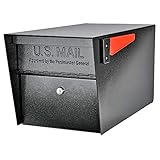
- SECURE YOUR DELIVERIES: USPS approved locking mailbox defends against mail theft; keeps mail, checks, and small packages locked away from thieves
- QUALITY: 14- and 16-gauge galvanized welded steel construction with stainless steel hinges defends against vandalism
- SECURITY: Innovative baffle door accepts small parcels, packages, and a box of checks and also deters fishing. Does not include or require mounting plate
- PATENTED: Anti-Pry latch lock mechanism stops leveraged screwdriver attacks cold; anti-drill, anti-pick commercial grade 10-disc wafer lock with thickened core and 1,000+ key cuts
- ACCESSORIES: Includes concealed outgoing mail clip, (3) all-metal laser cut keys, and required installation hardware
Filing status determines both eligibility and payment size
Filing status, such as single, married filing jointly, or head of household, plays a central role in determining eligibility. Filing status affects both the applicable income limit and the refund amount, recognizing differences in household size and economic responsibility. The state relies solely on the filing status reported on the return used to determine eligibility.
Married taxpayers who file jointly are evaluated as a single household using combined income. Married individuals who file separately are assessed independently, which may change eligibility outcomes. The refund structure follows existing tax classifications rather than creating new household definitions.
Residency requirements and the role of resident tax returns
Only full-year New York State residents are eligible for inflation refund checks. Residency is established through the filing of a New York State resident income tax return, which indicates that the taxpayer maintained a permanent home in the state and intended New York to be their primary place of residence for the tax year. Part-year residents and nonresidents are excluded, even if they paid some New York taxes.
This restriction aligns the refunds with the source of the surplus funds, which primarily come from taxes paid by full-year residents. It also ensures that payments go to households continuously exposed to New York’s cost-of-living environment during the relevant period of elevated inflation.
Dependents, non-filers, and excluded households
Individuals claimed as dependents on another taxpayer’s return are not eligible to receive their own inflation refund check. This includes many students and young adults whose financial support is primarily provided by another household. The policy treats dependents as part of the primary filer’s household rather than as separate economic units.
Non-filers are also excluded, regardless of income level. Because the program relies on existing tax records to verify income and residency, individuals who did not file a New York State resident return for the qualifying tax year are not captured by the payment system. This administrative limitation is a deliberate tradeoff to avoid creating new verification mechanisms.
The Tool Desk
Outbyte Driver Updater FREEScan for outdated or missing drivers - takes under a minuteDriver Scan →Outbyte PC Repair FREEClear out junk files and repair common Windows errorsFree Scan →Which tax year determines eligibility
Eligibility is determined using the most recently processed New York State resident income tax return designated by the legislation authorizing the payments. This fixed reference year ensures uniform treatment across taxpayers and prevents retroactive adjustments based on later income changes. Life events occurring after that tax year, such as job loss or relocation, do not alter eligibility.
By anchoring qualification to a completed tax filing period, the state preserves administrative clarity and predictability. The refund checks are therefore best understood as backward-looking relief tied to documented income and residency, rather than a forward-looking assessment of current financial need.
How Much You Could Receive: Payment Amounts by Household Income and Tax Profile
With eligibility anchored to a specific tax year and filing status, the next determinant is payment size. New York’s inflation refund checks are structured as fixed, one-time amounts that vary by household income and tax filing profile, rather than by current expenses or inflation exposure. This approach allows the state to distribute relief using verified tax data without recalculating individual household circumstances.
Income thresholds and fixed payment tiers
Payment amounts are assigned using adjusted gross income, commonly abbreviated as AGI. AGI is a standardized income measure calculated on the tax return that reflects total income after certain allowable adjustments, such as retirement contributions or student loan interest. Using AGI ensures consistent treatment across taxpayers and aligns with existing state tax records.
Recommended Free Tools
Households are grouped into income bands, with lower- and middle-income filers receiving larger payments than higher-income filers. Once a household’s AGI falls within a designated range, the payment amount is fixed and does not phase out gradually. This means that two households with similar incomes within the same band receive identical checks, even if their actual cost burdens differ.
Payment amounts by filing status
Filing status plays a direct role in determining the refund amount. Single filers and married individuals filing separately are evaluated individually, while married couples filing jointly are treated as a single tax unit with higher income thresholds and correspondingly higher payment amounts. This reflects how income and tax liability are combined under New York’s tax code.
Head of household filers, a status generally used by unmarried taxpayers supporting dependents, are assigned payment levels that fall between single and married joint filers. The structure recognizes the greater financial responsibility of maintaining a household while still tying relief to reported income rather than family size.
Role of dependents in payment calculation
The inflation refund is issued per tax return, not per person. Dependents do not increase the payment amount beyond what is assigned to the primary filer’s income and filing status. As a result, a household with multiple dependents receives the same check as a household with none, provided their AGI and filing status are identical.
Free tools Windows power users keep installed
One-click scans. No signup required.
This design simplifies administration but limits how precisely the payments reflect household consumption needs. The state prioritized speed and clarity over tailoring benefits to household composition, which would have required additional verification and delayed distribution.
No adjustment for current income changes or inflation severity
Payment amounts are not recalculated to reflect income changes after the qualifying tax year. A household that has since experienced job loss, reduced hours, or increased expenses receives the same amount as it would have if its financial situation had remained stable. Conversely, households with higher current incomes are not retroactively excluded if they qualified based on the reference year.
Similarly, the checks do not vary based on regional inflation differences within New York or on specific spending categories such as housing or energy. The refunds are uniform within each income tier, reinforcing that they are a return of surplus tax revenue rather than a targeted cost-of-living subsidy.
Interaction with tax liability and other credits
The inflation refund check is not tied to whether a taxpayer owed additional tax or received a refund when filing their return. Households that had no state tax liability, as well as those that paid significant taxes, may still receive the payment if they meet income and residency criteria. This distinguishes the refund from refundable tax credits, which are calculated directly on the tax return.
Rank #3

- 【Everyday Mail Collection】 Designed for collecting letters, bills, cards, checks and folded papers, this large mailbox measures 12.4"H x 8.54"L x 3.35"W with a 7.68"L x 1.46"W slot. The top drop opening lets mail go in without unlocking the front door
- 【0.8 mm Steel Body with Lock & Window】 Built from 0.8 mm steel with a coated finish, it stands up to everyday outdoor wear. The protective top flap helps shield the opening from light rain and splashes, and the metal key lock keeps contents private
- 【Simple Wall-Mount Setup】 Pre-drilled holes and included hardware make installation straightforward on a suitable wall. Ideal for houses, apartments, offices, rental properties and covered entry areas, keeping everyday mail within easy reach outside
- 【Privacy You Can Check at a Glance】 The front door opens only with a key, protecting incoming mail, rent checks and personal items from porch visitors. The clear viewing window lets you confirm whether mail has arrived before unlocking anything
- 【Versatile Drop Box for Many Uses】 Beyond daily mail, the slot serves as a key drop box, rent check collection box, payment drop or suggestion box. Shared 2-key access works well for families, office staff, landlords and property managers
Because the payment is issued separately from the annual filing process, it does not alter prior tax calculations or affect eligibility for other New York State credits. Its value is fixed by statute and independent of deductions, exemptions, or credits claimed on the original return.
Do You Need to Apply? How Eligibility Is Determined Automatically From Your Tax Return
Following from the fixed structure of the payment, eligibility for New York’s inflation refund check is determined entirely through existing tax records. No application, registration, or separate claim process exists. The state uses information already reported on a qualifying New York State personal income tax return to identify eligible households and issue payments.
No application or opt-in requirement
Eligible taxpayers do not need to request the payment or take any affirmative action. The Department of Taxation and Finance identifies recipients automatically based on filed returns. This approach reflects the state’s intent to distribute the checks quickly while minimizing administrative burden and the risk of errors from self-reported applications.
Because there is no application process, there is also no appeals mechanism for households that believe they should qualify based on current circumstances. Eligibility is strictly determined by the data on file for the reference tax year established in statute.
Which tax return the state uses
Eligibility is based on the most recently processed New York State resident income tax return for the designated tax year, generally the prior calendar year. Key data points include filing status, New York adjusted gross income (AGI), and residency status. Adjusted gross income is a standardized measure of income after specific above-the-line adjustments, and it serves as the primary income threshold for qualification.
If a return has not been filed for that year, the state has no basis to determine eligibility, and no payment is issued. Late filings may be considered only if processed before the state finalizes its payment roster, which is determined internally and not publicly adjustable.
How filing status and joint returns are treated
For joint filers, eligibility and payment amount are assessed at the household level using the combined AGI reported on the joint return. Only one check is issued per return, regardless of how many individuals are listed. The payment is typically issued in the name of the primary filer shown on the return.
For married taxpayers filing separately, each return is evaluated independently. Each filer may qualify for a separate payment if income and residency requirements are met, reflecting how the returns were filed rather than household composition.
Address, delivery method, and banking information
Checks are mailed to the address on file from the qualifying tax return unless the state has valid direct deposit information associated with that return. If a taxpayer has moved since filing and did not update their address with the Department of Taxation and Finance, delivery delays or returned mail may occur.
The state does not request updated banking or mailing information through unsolicited emails, text messages, or phone calls. Any communication asking taxpayers to “confirm” information to receive the payment should be treated as potential fraud.
Amended returns, non-filers, and special situations
Amended returns are considered only if they are fully processed before eligibility determinations are finalized. An amendment that lowers reported income below the threshold may not result in a payment if it is processed after the state’s cutoff date. Similarly, corrections that increase income above the limit do not retroactively cancel a payment once issued.
Individuals who were not required to file a New York State return and therefore did not file one are generally excluded, even if their income would otherwise fall within the qualifying range. Estates and deceased taxpayers are handled according to standard state procedures, with payments issued only if a valid return exists and has been accepted.
Why automation reduces errors but limits flexibility
By relying exclusively on filed tax returns, the state reduces administrative discretion and ensures uniform treatment across millions of households. This method minimizes subjective judgments and speeds distribution, consistent with the refund’s role as a return of excess revenue rather than a needs-based benefit.
However, automation also means the state does not reassess hardship, recent life changes, or incomplete records. The payment reflects what was reported, when it was reported, and nothing more, reinforcing the importance of accurate and timely tax filing for any taxpayer seeking to be recognized in state-wide relief programs.
When and How Payments Are Distributed: Mail vs. Direct Deposit Timelines to Expect
Because eligibility is determined entirely through automated review of previously filed New York State tax returns, the distribution of inflation refund checks follows a structured, multi-phase schedule. The method of payment—paper check or direct deposit—depends solely on the information already on file with the Department of Taxation and Finance. No action by the taxpayer initiates or accelerates payment.
Direct deposit distribution: fastest but limited in scope
Direct deposit refers to an electronic transfer of funds into a taxpayer’s bank account using routing and account numbers provided on a prior tax return. Taxpayers who received a state income tax refund by direct deposit on the qualifying return are typically prioritized for electronic payment, provided the banking information remains valid.
Do these 3 things before closing this tab:
1Fix the driver behind crashes, sound loss and screen glitches2Repair Windows errors before they cause bigger problems3Scan for outdated or missing drivers - takes under a minuteDirect deposits are generally issued first because they require no physical processing or mailing. Once released, funds usually appear in bank accounts within several business days, although exact timing varies by financial institution. If an account is closed or rejects the deposit, the state automatically reissues the payment as a paper check, which extends the overall timeline.
Paper checks: broader reach, longer delivery window
Paper checks are mailed to the address listed on the qualifying tax return and are the default method when no valid direct deposit information exists. This includes taxpayers who originally owed tax, requested a paper refund, or did not provide banking details when filing.
Rank #4

- Built Like a Tank: This heavy duty mailbox is made of galvanized steel, & built to last—perfect for anyone needing durable metal mail boxes for outside.
- Rust-Resistant from Top to Bottom: This post mounted mailbox features a tough, black powder-coat finish, adding an extra layer of protection to this curbside mailbox.
- Spacious, Not Oversized: Large mailboxes for outside offer plenty of room for mail, plus multiple packages—without looking bulky at your curbside.
- USPS Approved Peace of Mind: Built tough this USPS Approved locking mailbox is one of the most reliable mailbox with lock for outside (includes 4 keys).
- Install in Minutes: Fully assembled & ready to mount. Just note: mounting hardware comes with all Architectural Mailboxes' compatible posts, not the mail box.
Mailed checks are issued in rolling batches rather than all at once. After the check is printed, delivery depends on standard U.S. Postal Service processing, which can add one to three additional weeks. Returned or undeliverable checks must be reprocessed, further delaying receipt.
Staggered rollout and why neighbors may be paid at different times
Payments are not sent based on filing date, income level, or geographic region. Instead, distribution is staggered according to internal processing cycles, payment method, and validation checks designed to prevent duplicate or erroneous payments.
What’s actually slowing this PC down?
Pick the symptom - the matching free tool is one click away.
As a result, two otherwise similar households may receive payments weeks apart. This variance reflects administrative sequencing rather than eligibility differences or payment errors, and it does not indicate that a later payment is at risk of being denied.
How to interpret delays without assuming ineligibility
A delay does not necessarily signal a problem. Common reasons include address verification, conversion from failed direct deposit to check, or placement in a later processing batch. Because the program relies on static tax return data, the state does not provide individualized payment status updates beyond general distribution announcements.
Taxpayers should allow the full distribution window to pass before concluding that no payment will arrive. Only after that period would a missing payment suggest ineligibility based on the criteria already discussed, rather than a distribution issue.
Independent reader supportYour contribution helps us test, update, and keep practical guides available for everyone.Tax Treatment and Financial Implications: Are Inflation Refund Checks Taxable?
As payments arrive, a separate but critical question follows: how these inflation refund checks are treated for tax purposes. The answer affects not only current-year tax reporting, but also household planning and expectations for future filings. Understanding the distinction between taxable income and non-taxable state benefits is essential to avoid confusion or reporting errors.
Federal income tax treatment: generally not taxable
Under current Internal Revenue Service (IRS) guidance, state-issued inflation relief payments that function as rebates or refunds of previously paid taxes are generally excluded from federal taxable income. These payments are classified as a return of excess state tax collections rather than compensation, wages, or investment income.
Because New York’s inflation refund checks are structured as a rebate tied to prior-year tax filings, most recipients should not include the payment as income on their federal tax return. In practical terms, this means the check does not increase adjusted gross income, which is a key figure used to determine eligibility for many federal tax credits and deductions.
New York State tax treatment: not subject to state income tax
At the state level, the inflation refund checks are not subject to New York personal income tax. The payment represents a distribution of surplus state revenue back to eligible taxpayers, not a benefit earned through employment or business activity.
As a result, recipients do not need to report the payment on a New York State income tax return. The state does not issue a Form 1099 for these payments, which further reflects their non-taxable status under state law.
Recommended Free Tools
Why most recipients will not receive tax forms
Tax forms such as Form 1099-G are typically issued for taxable government payments, including unemployment compensation or taxable grants. Inflation refund checks do not fall into these categories.
Because the payments are not considered taxable income, most households should not expect to receive any federal or state tax reporting document related to the refund. The absence of a tax form is intentional and does not indicate an administrative oversight.
Potential indirect financial effects to be aware of
While the checks are not taxable, they may still have indirect financial implications. For households using income-based benefit programs that assess total household resources rather than taxable income, the receipt of a lump-sum payment could temporarily affect eligibility or reporting requirements.
Additionally, the payment does not alter prior-year tax liabilities or refunds. It is issued independently of whether a taxpayer owed additional tax or received a refund when the original return was filed.
Fraud awareness and misinformation risks
Non-taxable payments often attract misinformation, particularly claims that recipients must pay a fee, confirm banking details, or report the payment to avoid penalties. New York State does not require any follow-up action to validate or retain the inflation refund check.
Any communication requesting personal information, payment, or tax reporting adjustments related to the refund should be treated with caution. Official guidance is issued only through New York State tax authorities, and the payment’s non-taxable status means no additional filing steps are required solely because the check was received.
How to Track Your Payment and Avoid Scams or Misinformation
As inflation refund checks are distributed automatically, many questions center on how to confirm a payment is legitimate, determine its status, and avoid fraudulent solicitations. Understanding the state’s distribution process is essential to distinguishing official communications from misinformation.
How New York State distributes inflation refund checks
New York State issues inflation refund checks through the Department of Taxation and Finance using information from previously filed personal income tax returns. Payments are mailed to the address on file from the most recent eligible return, rather than deposited electronically.
The Tool Desk
Outbyte Driver Updater FREEFix the driver behind crashes, sound loss and screen glitchesFind Drivers →Outbyte PC Repair FREEClear out junk files and repair common Windows errorsFree Scan →Best Value

- 【Everyday Mail Collection】 Sized at 12.4"H x 8.54"L x 3.35"W with a 7.68"L x 1.46"W mail slot, it accommodates letters, bills, cards, checks, folded papers and other regular mail. A practical residential mailbox for everyday collection
- 【Solid Steel Construction】 Made of 0.8 mm steel with a coated finish for a solid, dependable metal mailbox. The protective top flap helps shield the mail slot from light rain and splashes during everyday outdoor use
- 【Resettable 3-Digit Combination Lock】 The 3-digit coded lock offers up to 1,000 possible combinations and controls access through the front door. Set or reset your code as needed for convenient daily access while helping keep incoming mail and personal items private
- 【Easy Wall-Mount Installation】 Pre-drilled mounting holes and included hardware make setup straightforward on a suitable wall or surface. A practical wall-mounted mailbox for houses, apartments, offices, rentals and covered entry areas
- 【Viewing Window & Versatile Drop-Off】 The clear front window lets you check for incoming mail before opening the door. The slot can also collect keys, rent checks, payments and notes, extending use beyond everyday mail collection
Because the payment is not tied to a current filing season or refund cycle, it does not appear in standard tax refund tracking tools. There is no individualized online portal to check payment status, and the state does not provide real-time confirmation of mailing dates for individual households.
What to do if a check has not arrived
Checks are sent in waves over a multi-week period, meaning delivery times can vary significantly by region and processing order. A delay does not indicate ineligibility, especially if the household met income and filing requirements in the relevant tax year.
If a check has not arrived after the full distribution window has passed, taxpayers may contact the New York State Department of Taxation and Finance directly using official phone numbers or secure online inquiry forms. Third-party services or “check trackers” are not authorized and should not be relied upon.
Address changes and returned payments
Payments are mailed to the last known address on file with the state. Taxpayers who moved after filing their most recent return and did not update their address may experience delays or returned checks.
In cases where a check is returned as undeliverable, the state typically requires address verification before reissuing payment. This process occurs only through official state channels and does not involve fees or expedited processing options.
Common scams and misleading claims to avoid
Fraud attempts often involve messages claiming that action is required to “release,” “verify,” or “upgrade” an inflation refund payment. New York State does not request bank information, Social Security numbers, or payment to process or retain the refund.
No legitimate communication will demand immediate response, threaten penalties, or direct recipients to unofficial websites. The state does not send links via text message asking recipients to confirm eligibility or delivery details.
How to identify official state communications
Official correspondence regarding the inflation refund comes from New York State agencies and uses recognizable mailing formats, agency letterhead, and established contact information. Emails, if used, originate from verified state domains ending in “ny.gov.”
Free tools Windows power users keep installed
One-click scans. No signup required.
When in doubt, recipients should independently verify information by navigating directly to the New York State Department of Taxation and Finance website rather than clicking links or responding to unsolicited messages. Relying on primary state sources is the most effective way to avoid misinformation related to the inflation refund checks.
What to Do If You Think You’re Eligible but Don’t Receive a Check
When an expected inflation refund check does not arrive, the appropriate response depends on timing, filing accuracy, and eligibility confirmation. These payments are issued automatically based on prior-year tax records, meaning no application or follow-up action is required unless a discrepancy exists. Understanding the state’s verification process helps distinguish between routine delays and issues requiring attention.
Confirm the full distribution timeline has passed
New York’s inflation refund checks are mailed in phases over several weeks, not on a single date. A check should not be considered missing until the Department of Taxation and Finance confirms that the full distribution window has closed. Acting before that point can result in unnecessary inquiries that cannot be resolved until mailing is complete.
Review your most recent New York State tax return
Eligibility is determined using the most recently filed resident income tax return on record, typically the prior tax year. Key factors include filing status, reported New York adjusted gross income, and whether the return was processed without outstanding issues. Errors, incomplete filings, or returns under review can delay or prevent payment issuance.
Quick wins for a faster PC:
Repair Windows errors before they cause bigger problemsFix Now →Fix the driver behind crashes, sound loss and screen glitchesFind Drivers →Verify address accuracy and mail delivery issues
Checks are mailed to the address listed on the last processed return. If mail forwarding expired, a move occurred after filing, or delivery was interrupted, the payment may be returned to the state. Returned checks are not automatically reissued until the address is verified through official state procedures.
Consider special filing circumstances
Certain situations require additional scrutiny, including joint filers who have since divorced, taxpayers who filed amended returns, or estates of deceased taxpayers. In these cases, payment timing or eligibility confirmation may differ from standard filers. The state relies strictly on tax records, not subsequent life changes, unless formally updated.
Use only official state inquiry channels
After the distribution period ends, taxpayers who believe they qualify but did not receive a check may contact the New York State Department of Taxation and Finance directly. Inquiries must be made through official phone lines or secure online forms hosted on ny.gov domains. There is no mechanism to “track” or expedite a payment through third parties.
Understand the tax treatment before taking action
The inflation refund is structured as a state-issued relief payment rather than a wage or benefit program. For most recipients, it does not affect New York State tax liability, and federal tax treatment depends on Internal Revenue Service guidance specific to state relief payments. Missing a check does not change the underlying tax treatment.
PC Slower Than It Used to Be?
A free scan shows the junk files, broken settings and background clutter dragging Windows down - then fixes them in one click.Free scan · Windows 10 & 11Crashes, No Sound, or Screen Glitches?
Random freezes, missing sound and display glitches usually trace back to one bad driver. Find and replace yours safely.Free scan · under a minuteMaintain documentation and avoid unnecessary amendments
Filing an amended return solely to trigger a payment is not appropriate unless a genuine filing error exists. Taxpayers should retain copies of filed returns, address updates, and any correspondence with the state. Documentation supports resolution if follow-up becomes necessary.
In summary, a missing inflation refund check is most often explained by timing, address issues, or tax record discrepancies rather than ineligibility. The program operates entirely through existing tax systems, with no application, fees, or verification requests. Relying on official New York State sources and understanding how eligibility is determined remain the most effective ways to ensure accurate outcomes and avoid misinformation.
Quick Recap
Product prices and availability are accurate as of the date/time indicated and are subject to change. Any price and availability information displayed on Amazon at the time of purchase will apply.




