Do these 3 things before closing this tab:
1Fix the driver behind crashes, sound loss and screen glitches2Clear out junk files and repair common Windows errors3Scan for outdated or missing drivers - takes under a minuteA Memorandum of Understanding, commonly referred to as an MOU, is a written document that records the preliminary understanding between two or more parties regarding a potential business arrangement. It captures shared intentions, key commercial principles, and the framework for future negotiations before the parties commit to a definitive, legally binding contract. In commercial practice, an MOU operates as a signaling device, demonstrating alignment while preserving flexibility.
Core Purpose of an MOU
The primary purpose of an MOU is to formalize discussions at an early or exploratory stage of a transaction. It allows parties to clarify expectations, define the scope of cooperation, and reduce misunderstandings without assuming the full legal obligations of a final agreement. This is particularly valuable when negotiations are complex, time-sensitive, or dependent on future approvals, financing, or due diligence.

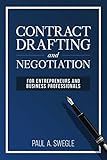
![Drafting Contracts: How and Why Lawyers Do What They Do [Connected Ebook] (Aspen Coursebook) (Aspen Coursebook Series)](https://m.media-amazon.com/images/I/51uJ-x2h7CL._SL160_.jpg)

From a risk management perspective, an MOU helps allocate preliminary responsibilities, such as information sharing or exclusivity, while limiting exposure if negotiations fail. Businesses often use MOUs to create a documented reference point that guides conduct during negotiations without prematurely locking in commercial terms.
Historical and Legal Origins
MOUs originated in public international law, where governments used them to record diplomatic understandings that were politically, but not legally, binding. Over time, the concept migrated into commercial and corporate settings as cross-border trade, joint ventures, and strategic alliances became more common. The flexibility of the MOU made it attractive in environments where formal contracts were impractical at an early stage.
Free tools Windows power users keep installed
One-click scans. No signup required.
#1 Best Overall
In modern business law, an MOU occupies a hybrid position between informal discussions and binding agreements. Its legal treatment depends heavily on jurisdiction, drafting language, and the intentions of the parties as expressed in the document itself. Courts typically assess whether the MOU reflects an intention to create legal relations, a core principle determining enforceability.
Key Structural Characteristics
An MOU usually outlines the parties involved, the commercial objective, and the fundamental terms under discussion. These may include timelines, proposed transaction structures, confidentiality obligations, or conditions precedent, meaning events that must occur before a binding contract is finalized. Importantly, MOUs often include express statements clarifying whether the document is intended to be legally binding, partially binding, or non-binding.
Certain clauses within an otherwise non-binding MOU may still be enforceable. Common examples include confidentiality, exclusivity, governing law, and dispute resolution provisions. This selective enforceability is a defining feature and a frequent source of confusion for business owners and junior professionals.
Business and Financial Context of Use
MOUs are widely used in mergers and acquisitions, joint ventures, strategic partnerships, supplier relationships, and project finance arrangements. They are especially common where parties need to demonstrate seriousness to stakeholders, regulators, or investors without finalizing all commercial details. For small businesses and entrepreneurs, an MOU can facilitate negotiations with larger counterparties by establishing structure and credibility.
Understanding how an MOU differs from a Memorandum of Agreement, or MOA, is essential at this stage. While both documents record agreed terms, an MOA is generally intended to be fully binding, whereas an MOU often is not. Misunderstanding this distinction can lead to unintended legal obligations or weakened negotiating positions, making careful drafting and contextual awareness critical in financial transactions.
Core Structural Elements of an MOU: Typical Clauses and How They Function
Building on the distinction between binding and non-binding intent, the internal structure of an MOU becomes the primary mechanism through which that intent is communicated. Each clause serves a defined commercial or legal function, and courts often examine these provisions collectively rather than in isolation. Understanding how these clauses operate is essential for assessing risk, enforceability, and negotiating leverage.
Identification of Parties and Transaction Scope
An MOU typically begins by clearly identifying the parties and describing the proposed business relationship or transaction. This section establishes who is involved and the high-level commercial objective, such as exploring a joint venture or negotiating an acquisition. While often descriptive rather than contractual, vague or overly specific language can influence how the document is later interpreted.
The transaction scope clause may outline proposed structures, such as asset purchases, share acquisitions, or service arrangements. These references are usually framed as indicative rather than final. In contrast, an MOA would normally define these elements with precision, reflecting a settled agreement.
What’s actually slowing this PC down?
Pick the symptom - the matching free tool is one click away.
Statement of Intent and Legal Status
One of the most critical clauses in an MOU is the statement addressing whether the document is intended to be legally binding. This provision often specifies that the MOU is non-binding except for certain enumerated clauses. Courts give significant weight to this language, although it is not always determinative if other provisions suggest contractual intent.
The absence of a clear statement of intent increases legal uncertainty. For small businesses, this can result in unintended obligations, particularly where commercial conduct aligns closely with the MOU’s terms. An MOA, by comparison, generally assumes binding intent throughout and does not rely on carve-outs.
Proposed Commercial Terms
MOUs frequently outline key commercial terms under discussion, such as pricing frameworks, funding contributions, or ownership percentages. These terms are often expressed as principles, ranges, or subject to further negotiation. Their function is to align expectations rather than to create enforceable commitments.
However, detailed or definitive language can blur this distinction. Where terms appear complete and unconditional, a court may find that the parties intended to be bound, regardless of labels. This risk is materially lower in MOAs, where completeness is expected and enforceability is assumed.
The Tool Desk
Outbyte PC Repair FREERepair Windows errors before they cause bigger problemsFix Now →Outbyte Driver Updater FREEScan for outdated or missing drivers - takes under a minuteDriver Scan →Conditions Precedent and Due Diligence
Conditions precedent refer to events that must occur before a final agreement becomes effective, such as regulatory approvals or satisfactory due diligence. Due diligence is the investigative process through which a party verifies financial, legal, and operational information. In an MOU, these clauses emphasize that further steps are required before commitment.
These provisions reinforce the preliminary nature of the document. They also protect parties from being forced into a transaction before key risks are assessed. In an MOA, conditions precedent typically operate within an already binding framework rather than postponing the existence of legal obligations.
Confidentiality Obligations
Confidentiality clauses are among the most commonly binding provisions in an MOU. They restrict the use and disclosure of sensitive information exchanged during negotiations. Even where the broader document is non-binding, confidentiality obligations are frequently enforceable on a standalone basis.
For entrepreneurs and small businesses, this clause is often the most practically significant. Breach can result in legal liability independent of whether the transaction proceeds. In MOAs, confidentiality is also standard, but it forms part of a wider contractual matrix.
Quick wins for a faster PC:
Fix the driver behind crashes, sound loss and screen glitchesFind Drivers →Repair Windows errors before they cause bigger problemsFix Now →Scan for outdated or missing drivers - takes under a minuteDriver Scan →Exclusivity and Non-Solicitation
Some MOUs include exclusivity or non-solicitation clauses, which limit a party’s ability to negotiate with third parties for a defined period. Exclusivity can provide negotiation certainty but restricts strategic flexibility. These clauses are often expressly binding due to their commercial impact.
Because exclusivity affects market behavior, courts scrutinize these provisions closely. Clear time limits and scope are essential. In an MOA, exclusivity is usually integrated into the broader deal mechanics rather than standing alone.
Governing Law and Dispute Resolution
Governing law clauses specify which jurisdiction’s laws apply to the MOU, while dispute resolution clauses outline how disputes will be resolved, such as through arbitration or litigation. These provisions are typically binding even in non-binding MOUs. Their inclusion reflects prudent risk management rather than an intention to conclude the transaction.
These clauses become particularly important in cross-border dealings. An MOA will also contain such provisions, but their role is to manage disputes arising from an already enforceable agreement rather than preliminary negotiations.
Termination and Expiry
MOUs often include termination or expiry provisions stating when the document will end, either automatically or upon notice. This reinforces the temporary and exploratory nature of the arrangement. Expiry clauses help prevent outdated understandings from lingering and creating confusion.
In practice, clear termination mechanics reduce the risk of implied obligations arising from prolonged negotiations. MOAs, in contrast, usually address termination as a remedy for breach or specific contractual events, reflecting their binding status.
Legal Nature of MOUs: Binding vs. Non-Binding Provisions and Enforceability Risks
Building on clause-specific considerations, the legal nature of an MOU depends less on its label and more on its substance. Courts focus on whether the document reflects an intention to create legal relations, a core contract law concept assessing whether parties objectively meant to be legally bound. As a result, MOUs occupy a spectrum ranging from wholly non-binding frameworks to hybrid documents containing enforceable obligations.
Intention to Create Legal Relations
The primary determinant of enforceability is whether the parties intended the MOU, or parts of it, to be legally binding. This intention is assessed objectively, based on the language used, the commercial context, and the conduct of the parties. Statements such as “subject to contract” or “non-binding” are persuasive but not decisive if contradicted by substantive obligations.
In contrast, MOAs are drafted with a clear intention to create legal relations across all material terms. This distinction explains why MOUs require careful drafting discipline to avoid inadvertently crossing the line into enforceability. Ambiguity on intent is one of the most common sources of dispute involving MOUs.
Binding and Non-Binding Provisions Within the Same Document
MOUs frequently contain a mix of binding and non-binding provisions. Binding clauses typically include confidentiality, exclusivity, governing law, dispute resolution, and cost allocation. Non-binding provisions usually cover commercial terms such as pricing, scope, timelines, and performance obligations.
Courts generally accept this bifurcated structure if the document clearly identifies which provisions are intended to be binding. Problems arise when binding language, such as mandatory obligations or defined remedies, appears in sections described as non-binding. This internal inconsistency increases enforceability risk and undermines the MOU’s intended role as a preliminary instrument.
Contract Formation Risks: Consideration and Certainty
For a provision to be enforceable, it must satisfy basic contract formation requirements, including consideration and certainty. Consideration refers to something of value exchanged between parties, while certainty requires that obligations are sufficiently clear to be enforced. Some MOUs unintentionally meet these thresholds, particularly where parties agree to specific actions in exchange for reciprocal commitments.
When commercial terms are detailed and operationally specific, courts may conclude that a binding contract exists despite non-binding labels. MOAs, by design, satisfy these requirements across the entire agreement. MOUs that resemble MOAs in structure and detail face heightened recharacterization risk.
Good Faith Obligations and Reliance-Based Claims
Even where an MOU is intended to be non-binding, parties may still face legal exposure through good faith or reliance-based claims. Good faith obligations require parties to act honestly and not undermine the agreed negotiation process. While not universally recognized, some jurisdictions imply such duties in pre-contractual arrangements.
Reliance-based claims arise when one party reasonably relies on the MOU to its detriment, a concept often associated with promissory estoppel. For example, incurring significant costs based on agreed next steps may create enforceable obligations. MOAs generally reduce this uncertainty by clearly allocating risk and responsibility from the outset.
Jurisdictional Variation and Practical Enforceability Risk
The treatment of MOUs varies significantly across legal systems. Common law jurisdictions tend to emphasize intention and certainty, while civil law systems may more readily recognize pre-contractual duties. Cross-border MOUs therefore carry additional enforceability risk if governing law is unclear or poorly chosen.
Recommended Free Tools
From a practical perspective, MOUs should be used where flexibility and speed are priorities, but only with disciplined drafting. MOAs are more appropriate once commercial certainty is required and parties are prepared to assume full legal accountability. Understanding this legal boundary is essential for managing transaction risk effectively.
What Is a Memorandum of Agreement (MOA)? How It Differs in Intent and Legal Weight
Building on the enforceability risks associated with detailed MOUs, the Memorandum of Agreement represents a fundamentally different legal instrument. An MOA is used when parties have moved beyond preliminary alignment and intend to create binding obligations. Its purpose is not to explore possibilities, but to formalize agreed commercial terms.
Definition and Core Purpose of an MOA
A Memorandum of Agreement is a written contract that records mutually agreed rights, duties, and responsibilities between parties. Unlike an MOU, an MOA is typically executed once negotiations are substantially complete and the commercial framework is settled. The document is designed to be legally enforceable from the moment of execution.
In practical terms, an MOA functions as either a standalone contract or a foundational agreement preceding more detailed documentation. In both cases, the parties expect compliance and legal accountability. This intent is usually explicit and reinforced throughout the document’s structure and language.
PC Slower Than It Used to Be?
A free scan shows the junk files, broken settings and background clutter dragging Windows down - then fixes them in one click.Free scan · Windows 10 & 11Crashes, No Sound, or Screen Glitches?
Random freezes, missing sound and display glitches usually trace back to one bad driver. Find and replace yours safely.Free scan · under a minuteIntent to Create Legal Relations
The defining feature of an MOA is the clear intention to create legal relations. This concept refers to the parties’ objective intention to be legally bound, assessed by the document’s wording, structure, and surrounding circumstances. MOAs typically include language that confirms binding effect, such as obligations, remedies, and governing law.
By contrast, MOUs often attempt to defer or exclude legal intent, even if imperfectly. MOAs do not rely on implication or inference; they affirmatively establish enforceable commitments. This clarity significantly reduces ambiguity in dispute scenarios.
Legal Weight and Enforceability
MOAs generally satisfy all elements required for contract formation: offer, acceptance, consideration, certainty, and intention. Consideration refers to the exchange of value, which may include payment, services, exclusivity, or performance obligations. Terms are drafted with sufficient precision to allow a court or tribunal to assess compliance and remedies.
Because MOAs are structured as binding agreements, enforcement risk is more predictable. Courts are less likely to reinterpret or partially enforce an MOA, as its legal status is usually unambiguous. This contrasts with MOUs, where enforceability often depends on selective clauses or factual reliance.
Rank #3

- Understand how contract provisions work
- Adapt reliable drafting precedents
- Avoid drafting errors, omissions, and ambiguities
- Make contracts more user-friendly
- Build flexibility into contracts without compromising precision
Structural Differences Between MOAs and MOUs
MOAs are typically more comprehensive and operationally detailed than MOUs. They commonly include representations and warranties, liability allocation, termination rights, dispute resolution mechanisms, and governing law provisions. These clauses signal that the parties have allocated risk and accepted legal consequences.
MOUs, even when detailed, often omit or soften these elements to preserve flexibility. Where MOUs include binding clauses, they are usually limited in scope, such as confidentiality or exclusivity. MOAs integrate binding intent across the entire agreement rather than isolating it.
Appropriate Use Cases in Commercial Transactions
MOAs are most appropriate when parties are prepared to implement agreed terms and require legal certainty to proceed. Common use cases include joint ventures, service arrangements, supply agreements, and settlement of negotiated commercial positions. In these contexts, ambiguity creates operational and financial risk.
While MOUs serve a valuable role earlier in the transaction lifecycle, MOAs mark the transition from negotiation to execution. Understanding this distinction allows businesses to align documentation with their actual readiness to assume legal obligations.
MOU vs. MOA: A Side-by-Side Comparative Analysis of Key Differences
Building on the distinction between negotiation-stage documents and execution-ready agreements, a direct comparison between MOUs and MOAs clarifies how each instrument functions in practice. While both are used to record consensus between parties, their legal character, structural depth, and commercial consequences differ in material ways.
Legal Status and Binding Intent
An MOU is generally intended to record mutual understanding rather than create enforceable obligations. Its legal effect depends on whether specific clauses demonstrate intention to be legally bound, a requirement assessed objectively by courts. As a result, enforceability is often partial, uncertain, or limited to discrete provisions.
An MOA, by contrast, is drafted with clear intent to create binding contractual obligations across the entire document. The presence of consideration, defined obligations, and legal remedies signals that the parties expect judicial enforcement. This clarity reduces interpretive risk and supports predictable outcomes if disputes arise.
Purpose Within the Transaction Lifecycle
MOUs are typically used during early-stage discussions when commercial terms are still evolving. They help align expectations, document progress, and support internal approvals or third-party discussions without committing the parties to full performance. Flexibility, rather than finality, is the primary objective.
MOAs are used once negotiations have matured and the parties are prepared to proceed. They function as implementation instruments, governing how obligations will be performed and risks managed. In this sense, an MOA represents a transition from exploratory alignment to operational execution.
Level of Detail and Commercial Precision
MOUs usually describe high-level principles, proposed structures, and intended outcomes. Language is often qualified by phrases such as “subject to contract” or “non-binding,” reflecting the provisional nature of the arrangement. Financial terms, if included, may be indicative rather than definitive.
MOAs require precision sufficient to support enforcement. Pricing, deliverables, timelines, performance standards, and termination rights are articulated with clarity. This level of detail allows each party to assess compliance, quantify exposure, and plan financially with confidence.
Risk Allocation and Liability Exposure
Risk allocation in an MOU is typically minimal or deliberately ambiguous. Parties avoid detailed liability provisions to prevent premature assumption of legal exposure. This can be advantageous during negotiations but leaves uncertainty if reliance or partial performance occurs.
Do these 3 things before closing this tab:
1Scan for outdated or missing drivers - takes under a minute2Repair Windows errors before they cause bigger problems3Fix the driver behind crashes, sound loss and screen glitchesIn an MOA, risk is expressly allocated through indemnities, limitation of liability clauses, and dispute resolution mechanisms. These provisions define how losses are shared and how conflicts are resolved. The result is greater upfront legal commitment but reduced uncertainty over potential financial consequences.
Cost, Time, and Internal Approvals
MOUs are generally faster and less expensive to prepare, often requiring limited legal input. They are commonly used to facilitate momentum while formal documentation is being developed. Internal approvals may be lighter, reflecting the absence of full contractual commitment.
MOAs typically require more extensive legal drafting, negotiation, and senior-level approval. This investment reflects the binding nature of the agreement and its impact on operations and financial reporting. The additional time and cost are a trade-off for certainty and enforceability.
Practical Implications for Businesses
Using an MOU where an MOA is commercially required can expose a business to reliance claims, negotiation breakdowns, or misaligned expectations. Conversely, entering into an MOA too early can lock parties into obligations before risks are fully understood. The distinction is therefore not merely technical but strategic.
Windows Errors? Fix Them Before They Spread
Repair common Windows errors and clear accumulated junk for a smoother, more stable PC - no reinstall needed.Free scan · no reinstallCrashes, No Sound, or Screen Glitches?
Random freezes, missing sound and display glitches usually trace back to one bad driver. Find and replace yours safely.Free scan · under a minuteUnderstanding these differences allows businesses to select documentation that matches their commercial readiness and risk tolerance. The choice between an MOU and an MOA shapes how negotiations progress, how obligations are enforced, and how financial exposure is managed throughout the transaction.
When to Use an MOU vs. an MOA: Practical Use Cases in Business and Financial Transactions
The strategic distinction between an MOU and an MOA becomes most apparent when applied to real commercial scenarios. The choice is driven by transaction maturity, certainty of terms, regulatory exposure, and the financial consequences of non-performance. Selecting the appropriate document aligns legal form with commercial intent and risk appetite.
Early-Stage Negotiations and Exploratory Discussions
An MOU is commonly used when parties are assessing feasibility, strategic alignment, or commercial interest without committing to full execution. Typical examples include preliminary merger discussions, joint venture exploration, or market entry collaborations. At this stage, material terms may be incomplete or subject to further diligence.
The MOU allows parties to document shared objectives, proposed structures, and next steps while preserving flexibility. It also helps manage expectations internally and externally without triggering binding financial or operational obligations. This is particularly important where assumptions may change based on due diligence outcomes.
Transactions Subject to Due Diligence or Regulatory Review
MOUs are frequently used when a transaction is conditional on factors beyond the parties’ immediate control. These factors include financial due diligence, regulatory approvals, financing availability, or board consent. Using an MOU avoids premature commitment before these conditions are satisfied.
In contrast, an MOA is typically deferred until conditions precedent are either fulfilled or clearly defined. A condition precedent is a specified event that must occur before contractual obligations become enforceable. This sequencing reduces the risk of breach arising from unmet external requirements.
Definitive Commercial Arrangements and Operational Commitments
An MOA is appropriate once parties have agreed on essential commercial terms and intend to create enforceable obligations. Common use cases include supply agreements, service arrangements, asset purchases, and formal joint ventures. These transactions involve measurable performance, payment obligations, and operational dependency.
At this stage, ambiguity becomes commercially and financially costly. An MOA provides clarity on pricing, timelines, performance standards, termination rights, and remedies. This certainty supports budgeting, financial reporting, and long-term planning.
Financial Transactions and Funding Structures
In financing contexts, MOUs may be used to outline indicative terms for loans, investments, or strategic funding partnerships. These documents often include non-binding term sheets that signal intent while allowing structuring flexibility. They are particularly common in early-stage capital raising or project finance discussions.
Once funding terms are finalized, an MOA or equivalent definitive agreement is required. Binding documentation is necessary to establish repayment obligations, security interests, covenants, and default mechanisms. Financial institutions and investors rely on enforceable agreements to manage credit and investment risk.
Cross-Border and Multi-Party Transactions
MOUs are often used in cross-border transactions where legal systems, regulatory regimes, or commercial practices differ. They provide a neutral framework for cooperation while parties assess legal enforceability across jurisdictions. This approach reduces early-stage friction and legal complexity.
An MOA becomes essential once cross-border risks are identified and allocated. Governing law, dispute resolution forums, and currency provisions must be clearly defined. Without a binding agreement, enforcement across borders becomes uncertain and financially unpredictable.
The Tool Desk
Outbyte PC Repair FREEClear out junk files and repair common Windows errorsFree Scan →Outbyte Driver Updater FREEFix the driver behind crashes, sound loss and screen glitchesFind Drivers →Internal Governance and Stakeholder Alignment
MOUs can also serve an internal function by aligning management teams, consortium members, or strategic partners. They help document intent and allocate responsibilities during planning phases. This is particularly useful where multiple stakeholders must coordinate before formal commitment.
MOAs, by contrast, are relied upon when internal approvals are complete and accountability must be formalized. Their enforceability supports compliance, auditability, and risk management. This distinction reinforces the role of documentation as both a legal and financial control mechanism.
Independent reader supportYour contribution helps us test, update, and keep practical guides available for everyone.Common Pitfalls and Drafting Mistakes That Create Unintended Legal Obligations
Despite their intended flexibility, MOUs frequently give rise to disputes because of drafting errors that undermine their non-binding purpose. Courts and counterparties focus on substance over labels, assessing what the document actually requires rather than how it is titled. As a result, poorly drafted MOUs can create enforceable obligations that mirror those found in MOAs.
Using Binding Language Inadvertently
One of the most common mistakes is the use of mandatory language such as “shall,” “will,” or “agrees to.” These terms signal a present legal commitment rather than a future intention. Even if the document is labeled as an MOU, binding language can lead a court to conclude that the parties intended to be legally bound.
Free tools Windows power users keep installed
One-click scans. No signup required.
This risk is heightened when obligations are described with specificity, including timelines, deliverables, or performance standards. Precision is a hallmark of enforceable contracts. In an MOU, excessive detail can unintentionally convert indicative terms into binding ones.
Failure to Include a Clear Non-Binding Clause
An explicit non-binding clause states that the document does not create legal obligations, except for specified provisions if any. Without such a clause, courts may infer intent from the overall structure and content of the document. Silence on legal effect creates ambiguity, which is often resolved against the drafter.
Even when a non-binding clause is included, inconsistencies elsewhere in the document can undermine it. If most provisions read like enforceable commitments, a generic disclaimer may carry limited weight. Internal consistency is therefore critical.
Creating Partial Binding Obligations Without Clear Separation
Some MOUs intentionally include binding provisions, such as confidentiality, exclusivity, or cost-sharing. These are known as carve-outs, meaning specific sections are legally enforceable while the remainder is not. Problems arise when these provisions are not clearly segregated or expressly identified as binding.
Blurring binding and non-binding terms increases the risk that a court will treat the entire document as enforceable. This is particularly problematic in negotiations involving funding, intellectual property, or strategic partnerships. Clear structural separation is essential to preserve the intended legal effect.
Including Definitive Commercial Terms Too Early
MOUs are meant to facilitate negotiation, not finalize transactions. Including fixed pricing, payment mechanics, or risk allocation provisions suggests that commercial agreement has already been reached. This can eliminate the argument that the document is merely preliminary.
In financial and investment contexts, early inclusion of valuation, return expectations, or repayment mechanics is especially risky. These elements are central to enforceability because they define economic obligations. Their presence often signals that the parties have moved beyond intent into agreement.
Overlooking Governing Law and Dispute Resolution Implications
Some MOUs include governing law or dispute resolution clauses, such as arbitration or court jurisdiction provisions. While these clauses can be binding on their own, they may also indicate an expectation of enforceability for the broader document. Courts may view their inclusion as evidence of contractual intent.
Quick wins for a faster PC:
Clear out junk files and repair common Windows errorsFree Scan →Fix the driver behind crashes, sound loss and screen glitchesFind Drivers →This issue is amplified in cross-border transactions. Selecting a governing law implies anticipation of enforcement under that legal system. Without careful drafting, this can contradict the supposed non-binding nature of the MOU.
Assuming the Title Controls Legal Effect
A persistent misconception is that calling a document a “Memorandum of Understanding” automatically prevents enforceability. In practice, courts examine conduct, language, and commercial context. The title is relevant but not determinative.
If the document reads like an MOA and the parties behave as though obligations exist, the label provides limited protection. Legal risk arises when form is prioritized over substance.
Neglecting the Role of Subsequent Conduct
Post-signing behavior can retroactively affect how an MOU is interpreted. Commencing performance, making payments, or publicly announcing a deal may demonstrate reliance and mutual intent. This conduct can support arguments that a binding agreement was formed.
What’s actually slowing this PC down?
Pick the symptom - the matching free tool is one click away.
For small businesses and entrepreneurs, this risk is often underestimated. Operational actions taken for momentum or signaling purposes may have legal consequences. Alignment between documentation and behavior is therefore essential to avoid unintended obligations.
Best Practices for Small Businesses and Entrepreneurs: How to Approach, Negotiate, and Transition From MOU to MOA
Given the legal risks arising from drafting choices and subsequent conduct, small businesses and entrepreneurs should approach MOUs as structured planning tools rather than informal placeholders. An MOU should clarify intent, define boundaries, and manage expectations without prematurely creating enforceable obligations. Discipline at this stage reduces downstream disputes and preserves negotiating leverage.
Define the Strategic Purpose of the MOU at the Outset
Before drafting begins, the parties should articulate why an MOU is necessary. Common purposes include testing commercial feasibility, aligning on high-level objectives, or creating a framework for due diligence, meaning the investigative review of financial, legal, and operational matters. If the transaction is already commercially agreed, an MOU may be unnecessary and inefficient.
The document should reflect that limited purpose. Including only what is required to advance discussions helps prevent courts or counterparties from inferring contractual intent. Every clause should be evaluated against whether it supports exploration rather than commitment.
Recommended Free Tools
Segregate Binding and Non-Binding Provisions With Precision
MOUs often contain a mix of binding and non-binding terms. Binding provisions typically relate to confidentiality, exclusivity, costs, or governing law, while commercial terms remain indicative. This distinction must be explicit and internally consistent.
Clear language stating which sections are legally binding and which are not is essential but insufficient on its own. The non-binding sections must also avoid definitive language, fixed economics, or performance obligations. Structural clarity reduces the risk that a court recharacterizes intent based on substance.
Control Commercial Specificity and Economic Detail
Small businesses frequently undermine MOUs by over-specifying price, valuation, revenue splits, or repayment mechanics. These elements define consideration, meaning the exchange of value that supports a binding contract. Their inclusion materially increases enforceability risk.
Where commercial alignment is necessary, ranges, principles, or formulas contingent on future agreement are preferable. This preserves flexibility while signaling seriousness. Definitive economics should be reserved for the MOA or final contract stage.
Free tools Windows power users keep installed
One-click scans. No signup required.
Align Internal Decision-Making and External Conduct
Legal exposure is shaped not only by drafting but also by behavior. Businesses should ensure that operational teams understand the non-binding nature of the MOU. Commencing performance, issuing invoices, or making public announcements can contradict the document’s stated intent.
Internal controls are therefore critical. Authority to act should be limited until a binding MOA is executed. Consistent conduct reinforces the legal position established in the MOU.
Use the MOU as a Roadmap to the MOA
An effective MOU outlines the process for transitioning to a binding agreement. This may include timelines, milestones, conditions precedent, and required approvals. Conditions precedent are specific events or actions that must occur before a contract becomes effective.
By framing the MOA as a future step subject to completion of defined tasks, the MOU reinforces its preliminary character. This approach also improves deal execution by reducing ambiguity around next steps.
Know When to Move From MOU to MOA
Prolonged reliance on an MOU can increase legal uncertainty. Once material terms are agreed and reliance begins, the rationale for a non-binding document diminishes. At that point, formalizing obligations through an MOA or definitive agreement becomes prudent.
MOAs differ from MOUs in that they are intended to be fully binding, with clear rights, obligations, remedies, and enforcement mechanisms. Transitioning promptly protects both parties by aligning legal form with commercial reality.
Final Observations for Small Businesses and Entrepreneurs
MOUs are not risk-free instruments. They occupy a legally sensitive space between discussion and commitment. Used correctly, they facilitate structured negotiation and risk management; used carelessly, they create unintended contractual exposure.
For small businesses and entrepreneurs, the core discipline lies in intentional drafting, restrained specificity, and consistent conduct. Understanding how and when an MOU evolves into an MOA is essential to managing legal risk and executing sound commercial transactions.
Do these 3 things before closing this tab:
1Fix the driver behind crashes, sound loss and screen glitches2Clear out junk files and repair common Windows errors3Scan for outdated or missing drivers - takes under a minuteQuick Recap
Product prices and availability are accurate as of the date/time indicated and are subject to change. Any price and availability information displayed on Amazon at the time of purchase will apply.




