Recommended Free Tools
An Original Equipment Manufacturer (OEM) is a company that produces components, systems, or finished products that are integrated into another company’s end product and sold under that purchasing company’s brand. In modern supply chains, OEMs sit at the core of value creation by transforming designs, specifications, and technical requirements into scalable, commercially viable goods. The term is widely used across industries such as automotive, electronics, industrial machinery, aerospace, and healthcare.
At its most practical level, an OEM relationship separates brand ownership and customer-facing responsibility from manufacturing execution. The buying company, often referred to as the brand owner or assembler, defines product requirements, manages marketing and distribution, and owns the customer relationship. The OEM focuses on engineering, production, quality control, and cost-efficient manufacturing in line with those requirements.
How OEMs Function Within Supply Chains
OEMs operate as critical nodes within multi-tier supply chains, sourcing raw materials and subcomponents from upstream suppliers while delivering finished or semi-finished goods downstream. Their operations typically involve capital-intensive assets such as factories, tooling, and specialized labor, which enable economies of scale. By concentrating manufacturing expertise within OEMs, supply chains reduce duplication of investment and improve overall efficiency.
In many industries, OEMs collaborate closely with customers during product development. This may include joint engineering, design-for-manufacturability analysis, and testing to ensure the final product meets cost, performance, and regulatory requirements. These collaborations often span multiple years, making OEM relationships strategically significant rather than transactional.
What’s actually slowing this PC down?
Pick the symptom - the matching free tool is one click away.
#1 Best Overall
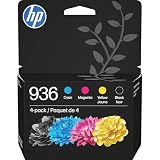
- HP Ink Cartridges are engineered to work with HP printers to provide consistent quality, reliability and value
- Works with these HP Printers: OfficeJet 9122e; HP OfficeJet Pro 9110b, 9125e, 9128e, 9130b, 9135e; OfficeJet Pro Wide Format 9730e
- Cartridge yield (approx.): 1,450 pages black, 800 pages per color
- HP has kept over 2,300 metric tons of plastic out of our world’s oceans to be upcycled into HP Ink cartridges and other everyday products
- Trusted HP Printer Ink Cartridges for every printing need: Perfect for everyday home, office, and small business printing needs — choose HP 936 Ink Cartridges for reliable printing
Distinguishing OEMs from Related Manufacturing Roles
OEMs are frequently confused with Original Design Manufacturers (ODMs) and aftermarket suppliers, but their roles differ in important ways. An ODM not only manufactures a product but also designs it, allowing the purchasing company to rebrand a largely pre-engineered solution. In contrast, OEMs typically manufacture to customer-defined specifications, even if they contribute engineering input during development.
Aftermarket suppliers operate further downstream, producing replacement parts or accessories sold after the original product has entered use. Unlike OEMs, aftermarket suppliers usually do not participate in the initial production of the original product and often serve multiple brands simultaneously. These distinctions matter because they affect intellectual property ownership, pricing power, and long-term profitability.
Why OEM Relationships Matter for Business Strategy
OEM arrangements directly influence a company’s cost structure, capital allocation, and risk profile. Outsourcing manufacturing to OEMs can lower fixed costs, reduce time to market, and provide access to specialized capabilities that would be expensive to build internally. At the same time, heavy reliance on OEMs can introduce supply chain risk, including capacity constraints, quality issues, or geopolitical exposure.
For investors and business leaders, understanding OEM relationships provides insight into where value is truly created within an industry. Companies that control branding and customer access may appear dominant, but OEMs often capture significant economic value through scale, technical complexity, and operational excellence. This dynamic shapes competitive advantage across global manufacturing ecosystems.
How OEMs Fit Into Modern Supply Chains: From Design to Final Product
Building on the strategic importance of OEM relationships, it is essential to understand how OEMs operate across the full supply chain lifecycle. OEMs are not isolated production units; they are embedded within coordinated networks that link product design, component sourcing, manufacturing, quality control, and delivery to end markets. Their role evolves as a product moves from concept to commercialization.
Early-Stage Design and Engineering Collaboration
OEM involvement often begins during the design and engineering phase, even when the brand owner retains formal ownership of the product concept. At this stage, OEMs provide design-for-manufacturability input, which refers to engineering adjustments that simplify production, reduce defect rates, and control costs. These contributions can materially influence tooling decisions, material selection, and component architecture.
This early collaboration helps align product ambition with operational reality. Products designed without OEM input may face delays or cost overruns once mass production begins. As a result, OEMs act as both manufacturers and technical partners, particularly in complex or high-volume industries.
Component Sourcing and Supplier Coordination
Once a design is finalized, OEMs typically manage the sourcing of components and raw materials. This function includes supplier selection, contract negotiation, and inventory planning across multiple tiers of suppliers. Tier-one suppliers provide major subassemblies, while tier-two and tier-three suppliers deliver individual parts or materials.
By coordinating these relationships, OEMs create economies of scale, meaning cost advantages achieved through higher production volumes. Their purchasing power can significantly reduce per-unit costs, benefiting both the OEM and the brand owner. However, this concentration of sourcing responsibility also makes OEMs critical nodes in managing supply chain resilience.
Manufacturing, Assembly, and Quality Control
The core function of an OEM lies in large-scale manufacturing and assembly. OEMs operate production facilities, invest in specialized equipment, and implement standardized processes to ensure consistency across output. Quality control systems are embedded throughout production to meet contractual specifications, regulatory standards, and industry certifications.
Defects or production disruptions at the OEM level can cascade through the supply chain. For this reason, performance metrics such as yield rates, cycle time, and defect rates are closely monitored. OEMs that excel operationally can become long-term partners, while underperforming OEMs introduce strategic risk.
Integration, Branding, and Final Product Delivery
After manufacturing, OEM-produced components or finished goods are integrated into the brand owner’s broader value chain. In some cases, OEMs deliver fully assembled products ready for branding and distribution. In others, they supply critical subsystems that are integrated elsewhere before reaching the customer.
PC Slower Than It Used to Be?
A free scan shows the junk files, broken settings and background clutter dragging Windows down - then fixes them in one click.Free scan · Windows 10 & 11Crashes, No Sound, or Screen Glitches?
Random freezes, missing sound and display glitches usually trace back to one bad driver. Find and replace yours safely.Free scan · under a minuteAlthough OEMs typically remain invisible to end consumers, their influence persists in product reliability, cost competitiveness, and scalability. The final product reflects not only the brand’s market positioning but also the OEM’s execution capabilities. This interdependence explains why OEM selection is a strategic decision rather than a purely operational one.
OEMs as Structural Anchors in Global Supply Chains
In modern global supply chains, OEMs often serve as structural anchors that connect design hubs, supplier ecosystems, and end markets across regions. Their geographic footprint can determine exposure to labor costs, trade policies, and geopolitical risk. Companies frequently diversify OEM relationships to reduce dependency on a single country or supplier.
As supply chains become more complex, the OEM’s role extends beyond production into risk management and coordination. This expanded role reinforces why OEMs are central to understanding how value, cost, and risk are distributed across industries.
Rank #2

- Automatic
- These cartridges work with: HP OfficeJet Pro 8020, 8020e, 8025, 8028, 8030e, 8035
- Cartridge yield (approx.): 825 pages black, 315 pages per color
- Up to 2x more prints with Original HP Ink vs. non-Original HP Ink
- 82% of HP ink cartridges are manufactured with recycled plastic
OEM vs. ODM vs. Aftermarket Suppliers: Key Differences That Matter
As supply chains expand across multiple firms and geographies, it becomes essential to distinguish between OEMs, Original Design Manufacturers (ODMs), and aftermarket suppliers. These entities often operate within the same production ecosystem but play fundamentally different roles in value creation, intellectual property ownership, and competitive positioning. Misunderstanding these distinctions can lead to flawed cost analysis and strategic misalignment.
The differences among OEMs, ODMs, and aftermarket suppliers are not merely semantic. They shape who controls design decisions, who bears operational risk, and how profits are distributed across the product lifecycle. For businesses and investors, these distinctions influence margins, scalability, and long-term bargaining power.
Original Equipment Manufacturers (OEMs)
An Original Equipment Manufacturer produces components or finished goods based on specifications provided by another company, typically the brand owner. The brand retains ownership of the product design, intellectual property, and market positioning, while the OEM focuses on efficient and reliable execution. OEMs therefore compete primarily on cost efficiency, quality control, and manufacturing expertise rather than on branding or product innovation.
From a strategic standpoint, OEM relationships allow brand owners to scale production without investing heavily in manufacturing assets. However, this arrangement also creates dependency on the OEM’s operational performance and geographic footprint. OEMs sit at the intersection of cost structure and supply chain risk, making them central to strategic planning.
Original Design Manufacturers (ODMs)
An Original Design Manufacturer goes beyond production to develop the underlying product design. In this model, the ODM owns or originates the design and then offers it to brand owners, who may make minor modifications and sell the product under their own brand. This shifts a greater share of innovation responsibility to the manufacturer.
Do these 3 things before closing this tab:
1Scan for outdated or missing drivers - takes under a minute2Repair Windows errors before they cause bigger problems3Fix the driver behind crashes, sound loss and screen glitchesODMs are common in industries where products are modular and design differentiation is limited, such as consumer electronics and household appliances. For brand owners, ODM arrangements can reduce development costs and time-to-market. The trade-off is reduced control over product uniqueness and potential overlap with competitors using similar base designs.
Aftermarket Suppliers
Aftermarket suppliers provide replacement parts, accessories, or enhancements after the original product has been sold. Unlike OEMs and ODMs, they are typically not involved in the initial production of the core product. Their offerings may be compatible with original equipment but are produced independently of the brand owner’s primary supply chain.
The aftermarket plays a distinct economic role by extending product life cycles and introducing price competition. For brand owners, aftermarket suppliers can erode service and parts margins but may also increase overall product adoption by lowering total cost of ownership. For consumers and businesses, the aftermarket introduces choice, but often with variability in quality and warranty coverage.
Why These Distinctions Matter Strategically
The choice between OEM and ODM partnerships affects control over intellectual property, cost predictability, and long-term differentiation. OEM-based models favor firms with strong design and brand capabilities, while ODM-based models benefit companies prioritizing speed and capital efficiency. Aftermarket dynamics, meanwhile, influence post-sale revenue streams and customer retention.
Free tools Windows power users keep installed
One-click scans. No signup required.
Understanding where each entity fits within the supply chain clarifies how value and risk are allocated. These distinctions help explain why some companies command pricing power while others compete primarily on efficiency. In complex global supply chains, accurately identifying these roles is essential to evaluating business models and competitive advantage.
Why Companies Choose OEM Relationships: Cost, Speed, Control, and Scale
Against this strategic backdrop, OEM relationships represent a deliberate allocation of responsibility between the brand owner and the manufacturer. Companies select OEM models not simply to outsource production, but to optimize how cost, speed, control, and scale are managed across the supply chain. Each of these dimensions has distinct financial and operational implications.
Cost Efficiency and Capital Allocation
OEM arrangements allow companies to avoid heavy capital expenditure, meaning large upfront investments in factories, machinery, and production labor. By relying on an OEM’s existing manufacturing infrastructure, firms convert fixed costs into variable costs that scale with demand. This improves cost predictability and reduces financial risk, particularly in volatile or seasonal markets.
OEMs also benefit from economies of scale, defined as lower per-unit costs achieved through high-volume production. Because OEMs often manufacture similar components for multiple customers, they can negotiate better input pricing and operate facilities at higher utilization rates. These savings are partially passed on to brand owners through lower unit costs.
The Tool Desk
Outbyte PC Repair FREEClear out junk files and repair common Windows errorsFree Scan →Outbyte Driver Updater FREEScan for outdated or missing drivers - takes under a minuteDriver Scan →Speed and Time-to-Market Advantages
Speed is a critical competitive factor in industries with short product life cycles. Time-to-market refers to the period between product design finalization and commercial availability. OEM relationships shorten this timeline by leveraging established production processes, trained labor, and qualified supplier networks.
Compared with building in-house manufacturing capabilities, OEM production enables faster ramp-up and quicker response to changes in demand. This is especially valuable when launching new models, entering new geographic markets, or responding to competitive pressure without delaying revenue generation.
Rank #3
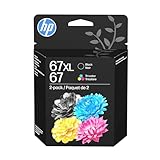
- Automatic
- These cartridges work with: HP DeskJet 1255, 2710e, 2720e, 2721e, 2722, 2722e, 2723e, 2724, 2725, 2732, 2742e, 2752e, 2755, 2755e, 4110e, 4120e, 4121e, 4122e, 4123e, 4130e, 4132e, 4152e, 4155e, 4158e; HP DeskJet Plus 4122, 4132, 4155
- These cartridges work with: HP ENVY 6010e, 6020e, 6022e, 6030e, 6032e, 6034e, 6050e, 6052e, 6055, 6055e, 6075, 6075e, 6420e, 6422e, 6430e, 6432e, 6450e, 6452e, 6455e, 6458e, 6475e; HP ENVY Pro 6455, 6458, 6475
- Cartridge yield (approx.): 240 pages black, 100 pages tri-color
- Up to 2x more prints with Original HP Ink vs. non-Original HP Ink
Control Over Design, Quality, and Intellectual Property
Unlike ODM arrangements, OEM relationships typically preserve control over product design and intellectual property for the brand owner. Intellectual property includes proprietary designs, technical specifications, and performance standards that differentiate a product in the market. The OEM executes production according to these defined requirements rather than creating the design independently.
This structure allows companies to enforce quality standards, manage supplier inputs, and maintain brand consistency across production runs. While operational control is shared, strategic control remains with the brand owner, supporting long-term differentiation and pricing power.
Scalability and Operational Flexibility
OEM partnerships provide scalability, meaning the ability to increase or decrease production volume without proportionate increases in overhead. As demand grows, OEMs can allocate additional capacity across facilities or shifts more efficiently than most single-brand manufacturers. This flexibility reduces the risk of underutilized assets during downturns.
For companies operating across multiple product lines or regions, OEMs also support geographic diversification. Production can be located closer to end markets, reducing logistics costs and exposure to trade barriers. As a result, OEM relationships help firms align operational scale with strategic growth objectives.
Real-World OEM Examples Across Industries (Automotive, Electronics, Healthcare, Consumer Goods)
Examining OEM relationships in practice clarifies how this model functions across different industries while preserving common strategic principles. In each case, the brand owner defines the product, manages market positioning, and owns intellectual property, while the OEM specializes in execution at scale. The specifics vary by sector due to regulatory requirements, product complexity, and capital intensity, but the underlying supply chain logic remains consistent.
Automotive Industry: Tiered OEM Ecosystems
In the automotive industry, OEMs operate within highly structured, multi-tier supply chains. Vehicle brands such as Toyota, Volkswagen, or Ford are commonly referred to as OEMs themselves, but they also rely on upstream OEM manufacturers and Tier 1 suppliers to produce major systems such as engines, transmissions, and electronic control units. A Tier 1 supplier is a direct supplier to the automaker, responsible for delivering complete, tested modules rather than individual components.
For example, an automotive brand may design a proprietary engine architecture while outsourcing physical manufacturing to a specialized engine plant operated by an OEM partner. This allows the brand to maintain control over performance specifications and emissions compliance while avoiding the fixed costs of running additional factories. The result is capital efficiency and faster model rollout without sacrificing engineering standards.
Electronics Industry: Design Control with Contract Manufacturing
Consumer electronics provide some of the clearest examples of OEM arrangements. Companies such as Apple retain full ownership of product design, software, and user experience, while OEM manufacturers like Foxconn assemble devices according to tightly controlled specifications. Assembly, testing, and packaging are executed at scale using the OEM’s labor force and production infrastructure.
This separation enables electronics brands to focus resources on research and development, marketing, and ecosystem development. At the same time, OEM partners achieve economies of scale, meaning lower per-unit costs achieved by spreading fixed costs across large production volumes. The distinction between OEM and ODM is particularly important here, as ODMs would design the hardware themselves, whereas OEMs manufacture an externally defined design.
Healthcare and Medical Devices: Regulatory-Driven OEM Models
In healthcare, OEM relationships are shaped by stringent regulatory requirements and quality standards. Medical device companies often retain ownership of device design, clinical validation, and regulatory approvals, while outsourcing manufacturing to OEMs certified under standards such as ISO 13485, which governs medical device quality management systems. Compliance capabilities become a core value proposition of the OEM.
Quick wins for a faster PC:
Fix the driver behind crashes, sound loss and screen glitchesFind Drivers →Repair Windows errors before they cause bigger problemsFix Now →For example, a medical technology firm may develop a proprietary diagnostic device but rely on an OEM to manufacture sterile components and perform final assembly in controlled environments. This approach reduces operational risk and accelerates time-to-market while ensuring adherence to safety and traceability requirements. OEM partnerships in healthcare therefore directly support both regulatory compliance and cost containment.
Consumer Goods: Brand Focus and Production Flexibility
In consumer goods, OEM relationships are commonly used to support brand-driven differentiation without heavy manufacturing investment. Brands in categories such as home appliances, personal care devices, or packaged electronics may specify product features, materials, and quality thresholds while contracting OEM factories to handle production. This is especially prevalent among mid-sized brands and private-label retailers.
For instance, a consumer brand may launch multiple product variations across regions using the same OEM platform with minor specification changes. This modular approach improves scalability and shortens product refresh cycles. By relying on OEM production, consumer goods companies can adapt quickly to changing consumer preferences while maintaining predictable cost structures.
Across these industries, OEM arrangements consistently reinforce strategic control over design and branding while transferring manufacturing execution to specialized partners. The differences lie not in the definition of an OEM, but in how deeply OEM capabilities are embedded within each sector’s competitive and regulatory environment.
Do these 3 things before closing this tab:
1Fix the driver behind crashes, sound loss and screen glitches2Repair Windows errors before they cause bigger problems3Scan for outdated or missing drivers - takes under a minuteOEM Economics and Business Strategy: Margins, Pricing Power, and Competitive Advantage
Building on the sector-specific applications discussed previously, the economic logic of OEM relationships becomes clearer when examined through margins, pricing power, and sources of competitive advantage. OEMs occupy a structurally different position in the value chain than brand owners, and this positioning shapes their financial performance and strategic options. Understanding these dynamics is essential to evaluating how OEMs function within modern supply chains.
Rank #4

- Package Content: Cool Toner Compatible for HP 67 XL Ink Cartridge Combo Pack and Compatible for HP 67 XL Ink Cartridges Black color Combo Pack (1 × 67XL Black, 1 × 67XL Tri-color)
- High Page Yield: It yields up to 750 pages for each 67XL Black Ink and 450 pages for each 67XL Color Ink at 5% coverage (A4e letter)
- Compatible for HP Envy 6000 6400 Series: ENVY 6010e 6020e 6022e 6030e 6032e 6034e 6050e 6052e 6052 6055 6055e 6065 6065e 6000e 6075 6075e 6400e 6420e 6422e 6430e 6432e 6450e 6452e 6455e 6458e 6475e Printer Ink Cartridges
- Compatible for HP DeskJet 2700 4100 Series: 1255 2710e 2720e 2721e 2722 2722e 2723e 2724 2725 2732 2742e 2752e 2700e 2734e 2752 2755 2755e 4110e 4120e 4121e 4122e 4123e 4130e 4132e 4152e 4155e 4100e 4175e 4155 4152 4158e Printer Ink Cartridges
- Compatible for HP DeskJet 2800 4200 Series: 2855e 2800e 2852e 2842e 2827e 4255e 4200e 4252e 4258e 4227e Printer Ink Cartridges
Margin Structures and Value Capture
OEMs typically operate with thinner gross margins than brand owners. Gross margin refers to revenue minus the direct cost of production, expressed as a percentage of revenue. Because OEMs are paid for manufacturing execution rather than brand ownership or intellectual property, much of the end-product value is captured downstream by the brand.
However, lower margins do not necessarily imply weaker economics. OEMs often compensate through high-volume production, long-term contracts, and operational efficiency. Scale allows fixed costs such as factory equipment and quality systems to be spread across large production runs, stabilizing profitability even when per-unit margins are modest.
Pricing Power and Contract Dynamics
Pricing power is the ability of a firm to raise prices without losing customers. For OEMs, pricing power is generally limited because customers can solicit bids from competing manufacturers with similar capabilities. This competitive tendering process constrains price increases and places emphasis on cost discipline.
That said, pricing power improves when an OEM offers specialized capabilities that are difficult to replicate. Examples include advanced process automation, regulatory certifications, or manufacturing know-how tied to complex products. In these cases, switching costs increase, meaning customers face higher financial or operational burdens if they change suppliers.
Cost Structures and Capital Intensity
OEM business models are typically capital-intensive. Capital intensity refers to the proportion of fixed assets, such as machinery and facilities, required to generate revenue. Significant upfront investment is often needed to meet customer specifications, quality standards, or regulatory requirements.
This cost structure creates both risk and defensibility. While high fixed costs reduce flexibility during demand downturns, they also deter new entrants. Established OEMs with fully depreciated assets and optimized processes can operate at lower unit costs than potential competitors, reinforcing their position in mature supply chains.
OEMs Versus ODMs and Aftermarket Suppliers
The economic profile of an OEM differs from that of an Original Design Manufacturer (ODM). ODMs provide both design and manufacturing services, allowing them to capture additional value tied to product architecture and engineering. This often results in higher margins but also greater exposure to design risk and intellectual property disputes.
The Tool Desk
Outbyte Driver Updater FREEFix the driver behind crashes, sound loss and screen glitchesFind Drivers →Outbyte PC Repair FREERepair Windows errors before they cause bigger problemsFix Now →Aftermarket suppliers, by contrast, sell replacement or complementary products after the original sale. Their pricing power can be higher due to compatibility constraints, but they typically lack the volume stability and contractual predictability of OEMs. These distinctions highlight how OEMs prioritize operational reliability over discretionary pricing.
Competitive Advantage Through Embeddedness
Over time, successful OEMs become deeply embedded in their customers’ operations. Embeddedness refers to the degree to which processes, systems, and quality controls are integrated across organizational boundaries. Once embedded, OEMs benefit from repeat business, early visibility into product roadmaps, and collaborative cost-reduction initiatives.
This embedded position functions as a competitive advantage even in low-margin environments. While OEMs rarely control the end customer relationship, they can achieve durable relevance by becoming indispensable production partners. In this way, OEM economics reward consistency, execution excellence, and long-term alignment rather than short-term pricing leverage.
Independent reader supportYour contribution helps us test, update, and keep practical guides available for everyone.Risks and Challenges in OEM Models: Dependency, Quality Control, and Supply Chain Shocks
The same embeddedness that underpins OEM competitive advantage also introduces structural vulnerabilities. OEM models concentrate risk through tight coupling with specific customers, production standards, and supply networks. These risks are not incidental; they are a direct consequence of specialization, asset intensity, and long-term contractual alignment.
Customer Dependency and Revenue Concentration
OEMs often derive a significant share of revenue from a small number of anchor customers. Revenue concentration refers to a situation where the loss or renegotiation of one major customer materially affects financial performance. This dependency reduces bargaining power and exposes OEMs to pricing pressure, volume volatility, or abrupt program cancellations.
Switching costs typically favor the customer rather than the OEM. While customers incur disruption when replacing a qualified supplier, they usually retain greater strategic flexibility due to scale, brand ownership, or control over product design. As a result, OEMs must continuously justify their relevance through cost discipline, delivery reliability, and incremental process improvement.
Quality Control and Compliance Risk
OEMs are contractually obligated to meet detailed specifications defined by their customers, often under strict regulatory or safety regimes. Quality control refers to the systems and processes used to ensure outputs consistently meet these requirements. Failures can result in recalls, penalties, loss of preferred supplier status, or long-term reputational damage.
Unlike branded manufacturers, OEMs typically lack visibility to end consumers, limiting their ability to mitigate reputational harm directly. Errors propagate downstream, but accountability flows upstream. This asymmetry increases the importance of process discipline, traceability, and continuous auditing within OEM operations.
Quick wins for a faster PC:
Repair Windows errors before they cause bigger problemsFix Now →Fix the driver behind crashes, sound loss and screen glitchesFind Drivers →Best Value

- HP Ink Cartridges for HP printers are engineered to provide consistent quality, reliability and value
- Works with these HP Printers: Envy 6152,6558,6165,6555; DeskJet 2942,4352,2955,4358,4327,4355,2952,2923,2925; ENVY 6558e,6552,6110e,6552e,6165e,6155e,6555e,6152e,6155
- Cartridge yield (approx.): 160 pages black, 120 pages tri-color
- Exceptional performance: Updated G5 technology combines with a new formula in these HP 68 Ink Cartridges for consistent printing over the life of the cartridge, delivering exceptional prints every time
- HP has kept over 2,300 metric tons of plastic out of our world’s oceans to be upcycled into these HP 68 ink cartridges black/color combo pack for HP printers and other everyday products
Exposure to Supply Chain Shocks
OEM performance is tightly linked to the stability of upstream suppliers and logistics networks. Supply chain shocks are sudden disruptions caused by events such as natural disasters, geopolitical conflict, labor shortages, or input price spikes. Because OEM contracts often fix pricing or delivery schedules, these shocks can compress margins or create fulfillment risks.
High asset utilization further amplifies vulnerability. When production lines are optimized for specific components or materials, substituting alternative inputs becomes costly or infeasible in the short term. Consequently, OEMs must balance efficiency with resilience, often by diversifying suppliers, holding strategic inventory, or investing in supply chain visibility systems.
These challenges illustrate that OEM success is not solely a function of manufacturing capability. It depends equally on risk management, contractual design, and the ability to absorb external volatility while maintaining operational consistency.
OEMs from an Investor and Operator Perspective: What to Look for in Financials and Partnerships
From both capital allocation and operational decision-making perspectives, OEMs must be evaluated differently than branded manufacturers. Their economics, risk exposure, and strategic leverage are shaped less by demand creation and more by execution quality and contractual positioning. Financial statements and partnership structures therefore provide critical insight into long-term viability.
Revenue Quality and Customer Concentration
OEM revenue is typically contract-driven, meaning sales are tied to long-term supply agreements rather than discretionary end-market demand. A key indicator is customer concentration, which measures the percentage of revenue derived from the largest customers. High concentration can signal stability but also bargaining power asymmetry, where a small number of customers exert pricing or volume pressure.
Operators monitor concentration to assess dependency risk, while investors examine whether revenue diversification is improving over time. Stable OEMs often balance anchor customers with incremental program wins to avoid overreliance on a single platform or buyer.
Margins, Cost Structure, and Operating Leverage
Gross margin represents revenue minus direct production costs, including materials and labor. In OEMs, gross margins are typically thinner than those of branded firms, reflecting limited pricing power and competitive bidding. What matters more is margin consistency across cycles, which indicates disciplined cost control and contract execution.
Operating leverage refers to the extent to which fixed costs amplify profits or losses as volumes change. OEMs with high fixed assets and specialized equipment can experience sharp earnings swings if utilization declines. Both investors and operators track break-even volumes and capacity utilization to understand downside risk.
Capital Intensity and Cash Flow Discipline
OEMs are often capital intensive, requiring ongoing investment in machinery, tooling, and automation. Capital expenditures, commonly referred to as capex, are funds used to acquire or maintain physical assets. Excessive or poorly timed capex can strain cash flow, particularly if customer demand softens or programs are delayed.
Free cash flow measures the cash generated after accounting for operating expenses and capex. Consistent free cash flow indicates that an OEM can fund growth, service debt, and absorb shocks without external financing. For operators, cash flow predictability supports workforce planning and supplier commitments.
Working Capital and Contract Structure
Working capital represents short-term assets minus short-term liabilities, capturing how efficiently a company manages inventory, receivables, and payables. OEMs often carry significant inventory to meet delivery schedules, tying up cash. Favorable contract terms, such as customer prepayments or cost pass-through clauses, can materially reduce this burden.
Backlog, defined as contracted but unfulfilled orders, provides visibility into future revenue. A growing backlog with clearly defined pricing and escalation clauses improves planning accuracy and reduces exposure to input cost volatility. Weak backlog quality, by contrast, increases forecasting risk.
What’s actually slowing this PC down?
Pick the symptom - the matching free tool is one click away.
Strategic Partnerships and Ecosystem Positioning
OEM value is reinforced through durable partnerships with customers, suppliers, and logistics providers. Long-term agreements that include joint product development, volume commitments, or shared capital investment deepen integration and raise switching costs. These arrangements differentiate OEMs from interchangeable suppliers.
From an operator standpoint, partnership depth affects production planning and innovation cadence. From an investor perspective, it signals whether the OEM is embedded in critical supply chains or exposed to commoditization. Strong partnerships often correlate with longer contract duration and more resilient earnings.
In aggregate, OEM evaluation requires attention to execution metrics rather than brand metrics. Financial resilience, disciplined capital use, and well-structured partnerships determine whether an OEM can sustain relevance in complex supply chains. For both investors and operators, these factors explain not only current performance but also long-term strategic durability.
Quick Recap
Product prices and availability are accurate as of the date/time indicated and are subject to change. Any price and availability information displayed on Amazon at the time of purchase will apply.




