Personal finance is not defined by income level, market conditions, or financial products, but by how consistently financial decisions align with long-term objectives under uncertainty. Every financial outcome, whether stability or distress, is the cumulative result of repeated choices made over time. Understanding this foundation is essential because technical knowledge alone cannot compensate for poor decision-making habits or misaligned incentives.
At its core, personal finance integrates economics, psychology, and risk management. Money functions simultaneously as a medium of exchange, a store of value, and a source of emotional security or stress. Effective financial systems for individuals must therefore address not only arithmetic but also behavior, incentives, and trade-offs across different stages of life.
Money Mindset and Financial Behavior
Money mindset refers to the beliefs, attitudes, and emotional responses individuals associate with earning, spending, saving, and investing. These beliefs are often shaped by early experiences, cultural norms, and observed behaviors rather than formal education. While frequently unconscious, money mindset strongly influences risk tolerance, spending patterns, and reactions to financial setbacks.
Behavioral finance, a field that studies how psychological biases affect financial decisions, demonstrates that individuals do not always act rationally. Common biases include loss aversion, the tendency to feel losses more intensely than equivalent gains, and present bias, the tendency to prioritize immediate rewards over future benefits. These biases can lead to under-saving, excessive debt, and poorly timed investment decisions.
Free tools Windows power users keep installed
One-click scans. No signup required.
#1 Best Overall

- Effective Budget Plan Book – Take control of your finances with the SUNEE budget account book. This all-in-one budget planner allows you to plan and track your income, expenses, savings, and financial goals. Its intuitive layout and easy-to-use sections help you stay organized and make smart decisions to reach financial success. Our financial planner also included a comprehensive guidebook with valuable tips and instructions to help you get the most out of your budgeting planner.
- Full-Page Calendars – Each month’s full-page calendar provides plenty of space to track paydays, bills due dates, appointments, and important events. No more cramped boxes or tight writing areas, you can easily plan and organize your schedule at a glance.
- Colorful Pages Layout and Tabs – This vibrant budget planner features a user-friendly design for easy navigation and organization. Each month includes dedicated budget pages to set financial goals, track income, and plan expenses. Additional sections like debt trackers, savings goals, and bill payment trackers make managing your finances a breeze. The colorful backgrounds on each page offer clear, instant visibility.
- Bonus 4 Stickers and Convenient Design – This monthly budget planner is built for convenience and durability. Water-resistant cover protects against spills, while the elastic band keeps everything secure, and the dual-sided pocket offers extra storage. Plus, we’ve included 4 adorable sticker sheets to personalize your planner and make budgeting more enjoyable. Experience a budget planner that combines practicality with lasting quality.
- UNDATED DESIGN & 1 YEAR USE - Undated finance books start with 1 page-financial goals, 1 page-Mind Map, 1 page-Financial Strategy, 1 page-Tactics, 2 pages-Important Dates, 4 pages-Bill Tracker, 4 pages-Saving Tracker, 8 pages-Debt Tracker, followed by 12 Months(10 pages per month, 1 unique color for each month). 2 pages-Christmas Budgeting, 2 pages-Yearly Summary, 2 pages-Check Register and 12 pages-Notes(dotted). It is UNDATED, so you could start at any time, suitable for 1 year use.
Developing a functional money mindset does not require suppressing emotion, but recognizing its influence and building systems that reduce the need for constant judgment. Automated saving, predefined spending limits, and rule-based investing are examples of structural tools that help align behavior with long-term objectives. Financial progress is more strongly correlated with consistency than with short-term optimization.
The Role of Financial Goals
Financial goals provide direction and impose structure on decision-making. A financial goal is a clearly defined outcome with a measurable target, time horizon, and purpose, such as building an emergency fund, eliminating high-interest debt, or funding retirement. Without explicit goals, financial decisions default to convenience or impulse rather than strategy.
Time horizon is a critical dimension of goal-setting. Short-term goals typically span less than three years and prioritize liquidity, meaning access to cash without loss of value. Long-term goals, such as retirement, allow for higher exposure to market risk in exchange for greater expected returns, assuming sufficient time to recover from volatility.
Effective goals are constrained by trade-offs. Allocating resources to one objective necessarily limits resources available for others. A structured goal framework helps individuals evaluate opportunity cost, defined as the value of the best alternative forgone, and make deliberate choices rather than reactive ones.
Income, Cash Flow, and Control
Income represents the inflow of financial resources, while cash flow reflects the timing and allocation of those resources. Positive cash flow occurs when income exceeds expenses, creating capacity for saving, investing, and debt reduction. Negative cash flow, even at high income levels, increases financial fragility and reliance on credit.
Control over cash flow is more influential than income growth alone. Expense growth often rises alongside income, a phenomenon known as lifestyle inflation, which can prevent wealth accumulation despite higher earnings. Sustainable financial systems prioritize intentional spending aligned with values and goals rather than income-based consumption.
Budgeting, in its most effective form, is not a restriction mechanism but a planning tool. A budget is a forward-looking allocation of income to competing priorities, incorporating fixed expenses, variable spending, saving, and debt obligations. The primary function of budgeting is awareness and intentionality, not deprivation.
Risk, Uncertainty, and Financial Resilience
Risk in personal finance refers to the possibility that actual outcomes differ from expected outcomes, often in adverse ways. Common risks include job loss, health emergencies, market volatility, inflation, and longevity risk, which is the risk of outliving financial resources. These risks cannot be eliminated but can be managed.
Windows Errors? Fix Them Before They Spread
Repair common Windows errors and clear accumulated junk for a smoother, more stable PC - no reinstall needed.Free scan · no reinstallCrashes, No Sound, or Screen Glitches?
Random freezes, missing sound and display glitches usually trace back to one bad driver. Find and replace yours safely.Free scan · under a minuteFinancial resilience is the capacity to absorb shocks without permanent damage to long-term plans. Emergency savings, insurance coverage, diversified income sources, and conservative debt structures are foundational risk management tools. Resilience emphasizes preparation over prediction.
Uncertainty makes discipline more valuable than forecasting. Markets, interest rates, and economic cycles are inherently unpredictable over short periods. Long-term financial success relies on probabilistic thinking, diversification, and adherence to evidence-based principles rather than reacting to noise or headlines.
Behavioral Discipline and Long-Term Orientation
Discipline in personal finance is the ability to maintain consistent behavior despite emotional pressure or external distractions. This includes continuing to save during periods of low motivation, avoiding panic during market downturns, and resisting consumption driven by social comparison. Discipline is reinforced through systems, not willpower alone.
A long-term orientation reframes financial decisions as part of an extended process rather than isolated events. Compounding, the process by which returns generate additional returns over time, rewards patience disproportionately. Small, consistent actions can produce significant outcomes when given sufficient time.
Quick wins for a faster PC:
Clear out junk files and repair common Windows errorsFree Scan →Scan for outdated or missing drivers - takes under a minuteDriver Scan →Sound financial behavior prioritizes process over prediction. Establishing clear goals, controlling cash flow, managing risk, and applying behavioral safeguards creates a durable foundation. From this foundation, more advanced topics such as investing, tax strategy, and retirement planning can be approached with clarity and control rather than urgency or fear.
Earning and Optimizing Income: Careers, Side Income, Benefits, and Negotiation
Income is the primary engine of all personal financial outcomes. Saving, investing, and debt reduction are constrained by earning capacity, particularly in early and mid-career stages. As a result, income optimization is not a one-time decision but an ongoing process shaped by skills, labor markets, and strategic trade-offs.
Unlike investment returns, which are uncertain and externally driven, earned income is partially controllable. Decisions related to education, career path, job changes, and negotiation often have a larger cumulative impact than short-term investment performance. Income optimization therefore complements the risk management and behavioral discipline discussed previously.
Understanding Earned Income and Human Capital
Earned income refers to compensation received in exchange for labor, including wages, salaries, bonuses, and self-employment income. It is generated through human capital, which represents the economic value of skills, experience, credentials, and professional reputation. Human capital tends to peak during working years and declines as labor capacity decreases with age.
Investment in human capital often produces high risk-adjusted returns. Education, training, certifications, and skill development can increase productivity and bargaining power, though outcomes vary by field and labor market conditions. These investments should be evaluated based on cost, time required, and realistic earnings potential rather than assumptions of guaranteed payoff.
Career income typically follows a non-linear path. Early-career income growth is often rapid as skills accumulate, while later growth depends more on specialization, leadership, or ownership roles. Understanding this trajectory helps set realistic expectations and informs decisions about saving and risk-taking at different life stages.
Career Selection and Income Growth Dynamics
Career choice significantly influences lifetime earnings, income stability, and exposure to unemployment risk. Fields differ in compensation, volatility, geographic concentration, and susceptibility to automation or economic cycles. Higher-paying careers often involve trade-offs such as longer hours, credential requirements, or income variability.
Income growth is driven by a combination of tenure, skill scarcity, and labor demand. Remaining in a role without skill progression can result in income stagnation, even in otherwise stable employment. Periodic reassessment of marketable skills and external job opportunities provides information about true earning potential.
Do these 3 things before closing this tab:
1Clear out junk files and repair common Windows errors2Fix the driver behind crashes, sound loss and screen glitches3Repair Windows errors before they cause bigger problemsJob changes are a common source of income increases but also introduce transition risk. Evaluating total compensation, job security, benefits, and career trajectory is more informative than focusing solely on salary. Stability and growth potential must be weighed against immediate pay increases.
Side Income and Income Diversification
Side income refers to earnings generated outside a primary job, including freelance work, consulting, gig platforms, small businesses, or rental activities. Side income can supplement cash flow, accelerate debt reduction, or increase savings capacity. It can also serve as a hedge against job loss by reducing reliance on a single income source.
Not all side income is equally scalable or efficient. Some activities trade time directly for money, while others require upfront investment with uncertain payoff. Evaluating side income requires accounting for time costs, expenses, taxes, and sustainability over time.
Income diversification improves financial resilience but introduces complexity. Additional income streams may increase administrative burden, variability, and tax obligations. Diversification is most effective when it aligns with existing skills and does not compromise primary employment or long-term health.
The Tool Desk
Outbyte Driver Updater FREEScan for outdated or missing drivers - takes under a minuteDriver Scan →Outbyte PC Repair FREERepair Windows errors before they cause bigger problemsFix Now →Employee Benefits as a Core Component of Compensation
Total compensation includes more than base pay. Employer-sponsored benefits such as health insurance, retirement plans, paid leave, disability coverage, and education assistance represent substantial economic value. These benefits often receive favorable tax treatment, increasing their effective worth.
Health insurance reduces exposure to catastrophic medical costs, while employer retirement plans facilitate long-term saving through payroll contributions. Employer matching contributions, where an employer contributes funds contingent on employee participation, function as a form of guaranteed return. Failing to utilize available benefits can materially reduce overall compensation.
Benefits vary widely across employers and employment types. Comparing job offers or evaluating employment changes requires translating benefits into economic terms rather than viewing them as secondary features. Benefits also play a role in risk management by stabilizing cash flow during illness, disability, or family events.
Income Negotiation and Compensation Strategy
Negotiation is the process of discussing compensation, responsibilities, or terms of employment to reach a mutually acceptable agreement. It affects starting salary, future raises, bonuses, and benefits, making it one of the highest-impact financial behaviors over a career. Even small differences compound over time through raises and retirement contributions.
Effective negotiation relies on information rather than confrontation. Market compensation data, documented performance, and clarity about role expectations strengthen negotiating positions. Negotiation is most effective when framed around value creation rather than personal need.
Not all elements of compensation are equally flexible. Base salary, variable pay, benefits, remote work arrangements, and professional development support may be negotiated separately. Understanding which components are negotiable in a given context improves outcomes while preserving professional relationships.
Taxes and the Net Value of Income
Gross income represents earnings before taxes and deductions, while net income reflects actual spendable cash. Taxes reduce income through federal, state, and payroll systems, with marginal tax rates applying only to incremental earnings. Understanding this distinction prevents overestimating the benefit of additional income.
Some forms of compensation receive preferential tax treatment. Pre-tax retirement contributions, health savings accounts, and certain benefits reduce taxable income. Conversely, self-employment income may incur additional payroll taxes, increasing effective tax rates.
Recommended Free Tools
Income optimization must consider after-tax outcomes rather than headline pay figures. Structuring income efficiently, within legal and ethical boundaries, supports long-term financial stability and aligns earning decisions with broader planning goals.
Cash Flow Mastery: Budgeting Systems, Expense Control, and Financial Automation
Once income is understood on an after-tax basis, the next determinant of financial stability is cash flow management. Cash flow refers to the timing and movement of money into and out of a household. Even high earners experience financial stress when cash flow is unmanaged, while modest incomes can support long-term goals when cash flow is controlled deliberately.
Cash flow mastery serves as the operational foundation of personal finance. It connects earning, spending, saving, debt repayment, and investing into a coordinated system. Without this foundation, higher income or sophisticated investment strategies provide limited benefit.
The Purpose and Structure of a Budget
A budget is a forward-looking plan for allocating income across spending, saving, and financial obligations. Its purpose is not restriction, but intentional decision-making under finite resources. Budgets translate abstract financial goals into actionable monthly behaviors.
What’s actually slowing this PC down?
Pick the symptom - the matching free tool is one click away.
Effective budgets categorize expenses into fixed, variable, and discretionary costs. Fixed expenses are contractual and recurring, such as housing or insurance. Variable expenses fluctuate but are necessary, such as utilities or groceries, while discretionary expenses are optional and flexible.
Budgets function best as living systems rather than static documents. Income changes, life events, and inflation require periodic adjustment. Regular review aligns spending with priorities and prevents gradual drift toward overspending.
Rank #2
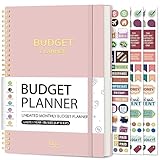
- Effective Budget Planning - Take control of your finances with the budget account book. This comprehensive planner allows you to plan and track your income, expenses, savings, and financial goals in one convenient place. With its intuitive layout and easy-to-use sections, you can stay organized and make informed decisions to achieve financial success.
- User-Friendly Layout - The budget planner features a user-friendly layout designed for easy navigation and organization. Each month, you'll find dedicated budget pages where you can set financial goals, track your income, and plan your expenses. Additional sections include debt trackers, savings goals, bill payment trackers, and more, making it simple to stay on top of your finances.
- Undated Monthly Calendar & Bonus Stickers - Featuring undated calendar each month, you'll have ample space to mark paydays, bills due, appointments, and important dates. Say goodbye to difficult writing spaces. Plus, we've included 3 cute sticker sheets that allow you to personalize your financial organizer and make budgeting more fun. Dates are not pre-printed and are completed by the user.
- Reliable and Convenient Design - Our monthly budget planner is designed for your convenience and built to last. The elastic band keeps everything securely in place, and the dual-sided pocket provides extra storage. Experience a budget planner that combines practicality and durability.
- Master Budgeting with Ease - Our financial planner includes a complete guidebook that provides valuable insights and instructions for optimal usage. From setting financial goals to tracking expenses, this guidebook offers step-by-step guidance and practical tips. Whether you're new to budgeting or an experienced user, this resource will help you make the most of your budget planner, empowering you to achieve financial success.
Common Budgeting Systems and Their Trade-Offs
Several budgeting frameworks exist, each with advantages and limitations. Percentage-based systems allocate income across broad categories, such as spending, saving, and investing. These systems are simple but may overlook household-specific constraints.
Zero-based budgeting assigns every dollar of income a specific purpose, resulting in income minus allocations equaling zero. This approach maximizes awareness and control but requires higher effort and ongoing maintenance. It is most effective for households seeking rapid financial correction or debt elimination.
Envelope and digital category systems restrict spending by pre-allocating cash or account balances. These systems create behavioral friction that reduces impulsive spending. However, excessive rigidity may lead to frustration if categories are poorly calibrated.
Expense Tracking and Behavioral Awareness
Expense tracking is the process of recording actual spending and comparing it to planned allocations. This feedback loop reveals discrepancies between intention and behavior. Without tracking, budgets become aspirational rather than operational.
Spending patterns often reflect habits rather than conscious choices. Small, recurring expenses can accumulate into significant cash flow leakage over time. Identifying these patterns allows targeted adjustments without sacrificing overall quality of life.
Behavioral finance research shows that awareness alone can reduce spending. The act of measurement increases accountability and interrupts automatic decision-making. Tools such as transaction categorization and spending reports support this process.
Quick wins for a faster PC:
Repair Windows errors before they cause bigger problemsFix Now →Scan for outdated or missing drivers - takes under a minuteDriver Scan →Expense Control Without Lifestyle Deprivation
Expense control focuses on optimizing value rather than minimizing spending. The objective is to reduce low-value or misaligned expenses while preserving areas that support well-being. Sustainable expense control avoids cycles of restriction and rebound spending.
Large fixed expenses typically offer the greatest leverage. Housing, transportation, insurance, and debt payments dominate most budgets. Periodic review of these costs yields more impact than frequent minor cuts.
Discretionary spending decisions benefit from opportunity cost analysis. Opportunity cost refers to the value of the best alternative use of money. Framing spending choices in terms of foregone goals improves long-term discipline.
Financial Automation as a Risk Management Tool
Financial automation uses predefined rules to move money without ongoing manual decisions. Examples include automatic bill payments, scheduled savings transfers, and investment contributions. Automation reduces reliance on willpower and minimizes missed obligations.
Automated systems improve consistency, which is critical for compound growth and debt reduction. They also lower the risk of late fees, credit damage, and savings interruptions during busy or stressful periods. In this sense, automation functions as behavioral risk management.
Automation should follow a clear hierarchy. Essential obligations, emergency savings, and long-term investing are prioritized before discretionary spending. This sequencing ensures that financial goals are funded before consumption occurs.
Aligning Cash Flow With Long-Term Objectives
Cash flow systems must align with broader financial goals such as debt freedom, retirement security, and resilience to unexpected events. Short-term budgeting decisions accumulate into long-term outcomes. Misalignment creates friction and financial anxiety.
Linking monthly cash flow to specific goals increases motivation and clarity. Saving becomes a concrete action tied to future security rather than an abstract sacrifice. This connection reinforces discipline across economic cycles.
As life stages change, cash flow priorities shift. Early stages emphasize stability and debt management, while later stages prioritize asset accumulation and protection. A flexible cash flow system adapts to these transitions without requiring complete redesign.
Building Financial Safety Nets: Emergency Funds, Insurance, and Risk Management
As cash flow systems become aligned with long-term objectives, attention naturally shifts toward protecting those systems from disruption. Financial progress depends not only on income growth and disciplined spending but also on resilience when adverse events occur. Safety nets are the mechanisms that prevent temporary shocks from becoming permanent setbacks.
Financial safety nets operate by addressing uncertainty. Job loss, medical expenses, property damage, and liability claims are unpredictable in timing and magnitude. Effective planning focuses on absorbing these risks without forcing high-cost debt, asset liquidation, or abandonment of long-term goals.
The Role of Emergency Funds in Financial Stability
An emergency fund is a pool of readily accessible cash reserved exclusively for unexpected and necessary expenses. Its primary function is liquidity, meaning the ability to access money quickly without loss of value. This distinguishes emergency savings from long-term investments, which are designed for growth rather than immediate use.
The Tool Desk
Outbyte PC Repair FREERepair Windows errors before they cause bigger problemsFix Now →Outbyte Driver Updater FREEFix the driver behind crashes, sound loss and screen glitchesFind Drivers →Emergency funds reduce reliance on credit during crises. High-interest debt incurred under stress often has long-lasting consequences. By buffering income interruptions and sudden expenses, emergency savings stabilize both cash flow and decision-making.
The size of an emergency fund is commonly expressed in months of essential living expenses. Essential expenses include housing, utilities, food, insurance premiums, and minimum debt payments. This framing ties the fund directly to the household’s fixed financial obligations rather than income alone.
Liquidity, Safety, and Storage of Emergency Savings
Emergency funds prioritize capital preservation over return. Capital preservation refers to minimizing the risk of losing principal, even at the cost of lower interest earnings. This reflects the fund’s defensive purpose.
Liquidity constraints matter as much as account labels. Funds that are difficult to access, subject to penalties, or exposed to market volatility undermine the reliability of the safety net. The defining features are immediate availability and stable value, not yield optimization.
Do these 3 things before closing this tab:
1Scan for outdated or missing drivers - takes under a minute2Clear out junk files and repair common Windows errors3Fix the driver behind crashes, sound loss and screen glitchesSeparating emergency savings from discretionary accounts supports behavioral discipline. Mental accounting, a behavioral finance concept describing how people categorize money, helps protect emergency funds from routine spending. Structural separation reinforces the intended use of the funds.
Insurance as Risk Transfer
Insurance is a formal mechanism for transferring financial risk to a third party in exchange for a known cost, called a premium. This contrasts with emergency funds, which retain risk internally. Insurance is most effective for low-probability, high-impact events that exceed the practical limits of self-funding.
Different types of insurance address different categories of risk. Health insurance mitigates medical cost uncertainty, while disability insurance protects income-earning capacity. Property and casualty insurance covers damage or loss of physical assets and liability exposure.
Life insurance addresses the financial consequences of premature death for dependents. Its purpose is income replacement and obligation coverage, not wealth accumulation. The economic function is protection against the loss of future earnings rather than investment performance.
Understanding Deductibles, Coverage Limits, and Trade-Offs
Insurance contracts contain key structural elements that shape risk-sharing. A deductible is the amount paid out-of-pocket before insurance coverage applies. Coverage limits cap the insurer’s maximum payment for a covered event.
Higher deductibles typically reduce premiums but increase short-term financial exposure. This creates a trade-off between predictable ongoing costs and potential episodic costs. Evaluating this balance requires consideration of cash reserves and income stability.
Insurance does not eliminate risk; it redistributes it. Some portion of loss remains with the insured through deductibles, exclusions, and uncovered events. Emergency funds and insurance therefore function as complementary tools rather than substitutes.
A Holistic Framework for Personal Risk Management
Risk management in personal finance involves identifying, measuring, and prioritizing financial threats. Risks vary in frequency and severity, and not all risks warrant the same response. Minor, frequent expenses are often retained, while catastrophic risks are transferred or mitigated.
Free tools Windows power users keep installed
One-click scans. No signup required.
Self-insurance refers to retaining risk through savings rather than purchasing coverage. This approach is suitable only when potential losses are manageable relative to net worth and liquidity. Excessive self-insurance exposes households to destabilizing outcomes.
Risk profiles change across life stages. Early working years emphasize income protection, while later stages shift toward asset protection and healthcare risk. Periodic reassessment ensures that safety nets remain aligned with evolving financial structures.
Integrating Safety Nets Into the Broader Financial System
Emergency funds and insurance must integrate seamlessly with cash flow and long-term planning. Premiums, contributions, and reserves are ongoing financial commitments, not one-time decisions. Their sustainability depends on realistic budgeting and prioritization.
Well-designed safety nets reduce volatility in financial outcomes. By smoothing the impact of shocks, they protect investment strategies, retirement plans, and debt reduction efforts from disruption. This stability reinforces long-term discipline across economic cycles.
Financial resilience is cumulative. Each layer of protection strengthens the overall system, allowing households to pursue growth while maintaining safeguards against uncertainty.
Debt Strategy and Credit Optimization: From Survival to Leverage
With foundational safety nets in place, attention shifts to liabilities already embedded in the household balance sheet. Debt represents both a financial obligation and a structural risk, as required payments reduce flexibility during income disruptions. How debt is managed determines whether it constrains long-term stability or supports controlled wealth-building.
Debt strategy operates along a continuum. At one end, debt management focuses on survival and stabilization, emphasizing cash flow preservation and default avoidance. At the other, debt becomes a deliberate financial tool, used selectively to optimize liquidity, timing, and risk-adjusted returns.
Rank #3

- Effective Budget Planning - Take control of your finances with the budget account book. This comprehensive planner allows you to plan and track your income, expenses, savings, and financial goals in one convenient place. With its intuitive layout and easy-to-use sections, you can stay organized and make informed decisions to achieve financial success.
- User-Friendly Layout - The budget planner features a user-friendly layout designed for easy navigation and organization. Each month, you'll find dedicated budget pages where you can set financial goals, track your income, and plan your expenses. Additional sections include debt trackers, savings goals, bill payment trackers, and more, making it simple to stay on top of your finances.
- Undated Monthly Calendar & Bonus Stickers - Featuring undated calendar each month, you'll have ample space to mark paydays, bills due, appointments, and important dates. Say goodbye to difficult writing spaces. Plus, we've included 3 cute sticker sheets that allow you to personalize your financial organizer and make budgeting more fun. Dates are not pre-printed and are completed by the user.
- Reliable and Convenient Design - Our monthly budget planner is designed for your convenience and built to last. The elastic band keeps everything securely in place, and the dual-sided pocket provides extra storage. Experience a budget planner that combines practicality and durability.
- Master Budgeting with Ease - Our financial planner includes a complete guidebook that provides valuable insights and instructions for optimal usage. From setting financial goals to tracking expenses, this guidebook offers step-by-step guidance and practical tips. Whether you're new to budgeting or an experienced user, this resource will help you make the most of your budget planner, empowering you to achieve financial success.
Understanding Debt as a Financial Instrument
Debt is the use of borrowed capital with a contractual obligation to repay principal and interest. Interest represents the cost of borrowing, expressed as an annual percentage rate (APR), which incorporates fees and compounding effects. The economic impact of debt depends on its cost, structure, and interaction with income and assets.
Crashes, No Sound, or Screen Glitches?
Random freezes, missing sound and display glitches usually trace back to one bad driver. Find and replace yours safely.Free scan · under a minutePC Slower Than It Used to Be?
A free scan shows the junk files, broken settings and background clutter dragging Windows down - then fixes them in one click.Free scan · Windows 10 & 11Not all debt carries the same risk profile. Fixed-rate debt has stable payments, while variable-rate debt fluctuates with market conditions. Amortizing debt reduces principal over time, whereas revolving debt allows balances to persist indefinitely if only minimum payments are made.
Debt must be evaluated within the broader financial system rather than in isolation. Payment obligations affect savings capacity, insurance affordability, and investment consistency. High mandatory payments increase fragility, even when total debt balances appear manageable.
High-Risk Debt and the Priority of Financial Stabilization
Certain forms of debt pose disproportionate risk to household finances. High-interest, unsecured debt, such as credit cards or payday loans, compounds rapidly and provides no durable asset in exchange. These liabilities erode cash flow and amplify the impact of income volatility.
From a systems perspective, the primary objective with high-risk debt is containment. Reducing exposure lowers fixed obligations and decreases the probability of cascading financial stress. Progress in this phase improves liquidity, credit standing, and behavioral confidence.
Debt reduction at this stage functions as risk management rather than optimization. Eliminating destabilizing liabilities reinforces the effectiveness of emergency funds and insurance by reducing the likelihood that shocks trigger insolvency or forced asset sales.
Behavioral Dimensions of Debt Accumulation
Debt outcomes are shaped not only by interest rates but also by behavioral incentives. Minimum payment structures, teaser rates, and deferred interest obscure the true cost of borrowing. These features encourage prolonged balances and underestimation of long-term expense.
Loss aversion and present bias, the tendency to prioritize immediate relief over future cost, contribute to persistent debt. Understanding these behavioral forces is essential for designing systems that reduce reliance on willpower alone. Automation, clear payoff timelines, and simplified accounts can mitigate behavioral drag.
Financial education reframes debt from a short-term solution to a long-term obligation. This reframing supports disciplined decision-making and aligns borrowing behavior with broader financial objectives.
Recommended Free Tools
Credit Scores as a Financial Access Mechanism
A credit score is a statistical measure of borrowing risk based on payment history, utilization, account age, credit mix, and recent inquiries. Lenders use scores to price risk, affecting interest rates, approval terms, and required deposits. Credit quality therefore influences the cost of nearly all future borrowing.
Payment history and credit utilization, the ratio of outstanding balances to available credit, carry the greatest weight in scoring models. High utilization signals financial strain, even when payments are current. Consistency and moderation are more influential than short-term activity.
Credit optimization focuses on reliability rather than maximization. Stable payment behavior, restrained use of revolving credit, and time contribute more to credit strength than frequent account changes. Strong credit reduces friction across housing, transportation, and insurance markets.
Transitioning From Debt Elimination to Debt Efficiency
As high-risk liabilities are reduced, debt strategy shifts toward efficiency. Lower-interest, structured debt may be integrated into long-term planning when it aligns with income durability and asset accumulation. The emphasis moves from urgency to cost management and flexibility.
What’s actually slowing this PC down?
Pick the symptom - the matching free tool is one click away.
Debt efficiency considers after-tax interest cost, repayment term, and opportunity cost. Opportunity cost refers to the foregone return from alternative uses of capital, such as saving or investing. This comparison requires realistic assumptions rather than speculative returns.
At this stage, debt decisions interact closely with tax planning and investment strategy. Certain interest costs may be tax-deductible under specific conditions, while others are purely consumptive. Evaluating these interactions prevents fragmented decision-making.
Debt as Controlled Leverage
Leverage refers to the use of borrowed funds to amplify exposure to an asset. In household finance, leverage is most commonly associated with housing and education. When aligned with stable income and conservative assumptions, leverage can accelerate asset acquisition without destabilizing cash flow.
Leverage increases both potential gains and potential losses. Declines in asset value or disruptions in income magnify downside risk when debt is present. For this reason, leverage must be paired with strong reserves, conservative loan structures, and long planning horizons.
Effective leverage is constrained, intentional, and reversible. Excessive leverage reduces optionality and increases vulnerability to macroeconomic shifts such as rising interest rates or employment contraction. Sustainable systems prioritize resilience over maximum exposure.
Integrating Debt Strategy Into Long-Term Financial Planning
Debt decisions influence every stage of the financial lifecycle. Early stages emphasize minimizing fragility, while mid-career planning balances asset growth with obligation control. Later stages often focus on debt reduction to lower fixed expenses and sequence retirement income more efficiently.
Debt strategy must remain dynamic. Changes in income, interest rates, family structure, or health alter optimal debt levels and repayment priorities. Periodic reassessment ensures that liabilities remain aligned with current risk capacity.
When integrated with budgeting, insurance, investing, and retirement planning, debt becomes a structural component rather than a persistent threat. Managed deliberately, it supports financial continuity and expands strategic flexibility across changing economic environments.
Do these 3 things before closing this tab:
1Clear out junk files and repair common Windows errors2Fix the driver behind crashes, sound loss and screen glitches3Repair Windows errors before they cause bigger problemsSaving and Investing for Wealth: Core Investing Principles, Accounts, and Asset Allocation
With liabilities structured to preserve flexibility, surplus cash flow can be directed toward long-term wealth formation. Saving and investing convert earned income into future purchasing power, providing resilience against uncertainty and enabling goals such as retirement, education funding, and financial independence. These activities are distinct but interdependent, requiring clarity of purpose, time horizon, and risk tolerance.
Saving emphasizes capital preservation and liquidity, while investing accepts measured risk to pursue growth above inflation. Both functions are necessary within a complete financial system. The challenge is not choosing one over the other, but allocating resources appropriately between them.
The Purpose of Saving Versus Investing
Saving involves setting aside money in low-risk, readily accessible accounts, typically insured by a government authority. Examples include high-yield savings accounts, money market accounts, and short-term certificates of deposit. The primary objectives are liquidity, stability, and protection from short-term financial shocks.
Investing involves committing capital to assets with uncertain short-term outcomes but higher expected long-term returns. Common investment assets include stocks (ownership in companies), bonds (loans to governments or corporations), and real assets such as real estate. Investing accepts volatility, defined as fluctuations in value, in exchange for long-term growth potential.
Time horizon determines the appropriate balance between saving and investing. Funds needed within a few years are generally unsuitable for market exposure, while long-term goals can tolerate interim volatility. Misaligning time horizon with asset risk is a frequent source of avoidable financial stress.
Core Principles of Long-Term Investing
Long-term investing is grounded in probabilistic outcomes rather than certainty. Markets reward disciplined participation over extended periods, not short-term prediction. Evidence consistently shows that time in the market is more reliable than attempts to time market entry or exit.
Compounding is the process by which investment returns generate additional returns over time. Growth accelerates as earnings are reinvested, making early and consistent contributions disproportionately powerful. Interruptions to compounding, such as frequent withdrawals or prolonged inactivity, materially reduce long-term outcomes.
Diversification reduces risk by spreading investments across different assets, sectors, and regions. Because assets do not move in perfect unison, diversification lowers the impact of any single failure. It does not eliminate risk, but it improves the consistency of outcomes for a given level of expected return.
Quick wins for a faster PC:
Clear out junk files and repair common Windows errorsFree Scan →Scan for outdated or missing drivers - takes under a minuteDriver Scan →Understanding Risk and Expected Return
Risk in investing refers to the range of possible outcomes, not the probability of loss alone. Higher-risk assets exhibit greater volatility but also higher expected returns over long horizons. Lower-risk assets provide stability but may fail to outpace inflation after taxes.
Risk capacity and risk tolerance are distinct concepts. Risk capacity reflects the financial ability to endure losses without compromising essential goals, while risk tolerance reflects emotional comfort with uncertainty. Sustainable investment strategies respect both constraints.
Inflation risk is often underestimated. Inflation erodes purchasing power over time, making excessive conservatism a hidden threat to long-term goals. Effective portfolios balance short-term stability with sufficient growth to maintain real, inflation-adjusted value.
Investment Accounts and Tax Structure
Investment outcomes are shaped not only by asset selection but also by account type. Tax-advantaged accounts defer or reduce taxes, allowing more capital to compound. Common examples include employer-sponsored retirement plans, individual retirement accounts, and health savings accounts when used for medical expenses.
Free tools Windows power users keep installed
One-click scans. No signup required.
Taxable brokerage accounts offer flexibility and fewer restrictions on withdrawals. However, investment income in these accounts may be subject to ongoing taxation through dividends and capital gains. Asset location, the strategic placement of assets across account types, can improve after-tax efficiency.
Withdrawal rules, contribution limits, and penalties vary by account. Understanding these constraints is essential for aligning investment strategy with liquidity needs and long-term planning objectives. Tax considerations should support, not distort, overall asset allocation decisions.
Asset Allocation as the Primary Driver of Results
Asset allocation refers to the proportion of a portfolio invested in different asset classes. This decision explains the majority of long-term return variability and risk exposure. Individual security selection plays a secondary role relative to broad allocation choices.
Equities offer higher long-term growth potential but experience greater short-term volatility. Bonds provide income and stability, often cushioning equity declines during economic stress. Cash and cash equivalents enhance liquidity and reduce volatility but contribute little to long-term growth.
What’s actually slowing this PC down?
Pick the symptom - the matching free tool is one click away.
Allocation should reflect time horizon, income stability, and financial obligations. Younger investors with stable earnings and long horizons can generally tolerate higher equity exposure, while shorter horizons or dependency on portfolio income necessitate greater stability. Adjustments should be deliberate and infrequent, not reactive to market noise.
Rank #4

- ALL-IN-ONE B5 BUDGET PLANNER: With 15+ Functional Inserts –it covers every money-management pain point for beginners & pros. Stop juggling messy notebooks or incomplete trackers! The budget planner includes, monthly budget, bill expense detail, debt tracker, bill tracker, saving tracker...matches 90% of "how to manage money" search queries
- DURABLE BUDGET BOOK: Our budget organizer features a PVC waterproof cover and elastic band—no more ruined pages, made of 100GSM thick paper—no smudges or ghosting, coming with a heavy-duty double spiral binding—lays flat for easy writing. Built for daily use: toss it in your work bag, backpack, or purse without worry
- CONVENIENT B5 SIZE (7.3”X10.15”): No more choosing between "too small to write" or "too bulky to carry"! The B5 budget planner gives ample space to log expenses, note bill due dates, or map financial goals—without being cumbersome. Fits easily in laptop bags, backpacks, or purses—perfect for "on-the-go budget tracking
- UNMATCHED VALUE & COMPREHENSIVE GUIDEBOOK: Comes with 5 practical, high-quality freebies crafted, plus a comprehensive user guide that takes the guesswork out of financial planning. You’ll get: PVC waterproof colorful monthly tabs & wide range of label stickers, a ribbon bookmark, an elastic pen holder, a elastic band, an inner pocket, and a detailed step-by-step user guide handbook
- VISUAL CLARITY & LESS FATIGUE: Unlike plain black-and-white budget planners, our vivid color highlights reduce eye strain during long budgeting sessions, helping you track expenses, savings, and bills quickly and accurately. It’s the perfect fit for working professionals, international students, family financial managers, freelancers, new graduates, retirees
Rebalancing and Portfolio Maintenance
Rebalancing is the process of restoring a portfolio to its target asset allocation after market movements. Over time, outperforming assets grow to dominate the portfolio, increasing risk beyond intended levels. Rebalancing controls risk by trimming excess exposure and reinforcing discipline.
Rebalancing can be triggered by time intervals or allocation thresholds. Both approaches seek to counteract emotional decision-making by imposing structure. Transaction costs and tax implications should be considered before making adjustments.
Portfolio maintenance also includes monitoring costs, such as expense ratios and trading fees. Even small cost differences compound significantly over decades. Minimizing unnecessary friction preserves more of the portfolio’s gross return for the investor.
Recommended Free Tools
Behavioral Discipline and Long-Term Execution
Investor behavior is a critical determinant of outcomes. Emotional responses to market volatility often lead to buying high and selling low, undermining otherwise sound strategies. Structured plans and predefined rules reduce the influence of fear and overconfidence.
Consistency matters more than optimization. Regular contributions, broad diversification, and adherence to a coherent plan outperform complex strategies that are inconsistently executed. Long-term success depends on staying invested through full market cycles.
Saving and investing are ongoing processes, not isolated decisions. As income grows, family circumstances evolve, and goals shift, contribution levels and allocation targets must be reassessed. Discipline, rather than prediction, remains the defining characteristic of durable wealth-building systems.
Independent reader supportYour contribution helps us test, update, and keep practical guides available for everyone.Tax Planning Basics for Individuals and Families: Keeping More of What You Earn
Tax planning integrates directly with saving, investing, and long-term execution. Returns are realized after taxes, not before, making tax efficiency a core determinant of net outcomes. Unlike market movements, tax rules are known in advance and can be incorporated into financial decisions with high certainty.
PC Slower Than It Used to Be?
A free scan shows the junk files, broken settings and background clutter dragging Windows down - then fixes them in one click.Free scan · Windows 10 & 11Outdated Drivers Are Slowing You Down
One free scan finds every outdated or missing driver and matches the right update for your exact hardware.Free scan · exact hardware matchTax planning does not involve avoiding taxes or predicting policy changes. It focuses on understanding how income is taxed, how deductions and credits reduce tax liability, and how timing and account selection affect long-term results. For households, effective tax planning improves cash flow, accelerates wealth accumulation, and reduces unnecessary leakage to taxes.
How the U.S. Income Tax System Works
The federal income tax system is progressive, meaning higher levels of taxable income are taxed at higher marginal rates. Marginal tax rate refers to the rate applied to the last dollar earned, not the rate applied to total income. Average tax rate reflects total tax paid divided by total income and is always lower than the top marginal rate.
Taxable income is calculated by subtracting adjustments and deductions from gross income. Gross income includes wages, business income, interest, dividends, and realized capital gains. Understanding what increases taxable income is the first step in managing tax exposure.
Common Types of Taxable and Tax-Advantaged Income
Earned income includes wages, salaries, bonuses, and self-employment income. This income is subject to both income tax and payroll taxes, which fund Social Security and Medicare. Because of its high tax burden, earned income efficiency is particularly important for working households.
Unearned income includes interest, dividends, and capital gains. Long-term capital gains, defined as gains on assets held longer than one year, are taxed at preferential rates compared to ordinary income. Qualified dividends, which meet specific holding and issuer requirements, receive similar favorable treatment.
Tax-advantaged income includes earnings within retirement accounts and certain education or health-related accounts. Taxes are either deferred, meaning paid later, or exempt entirely if statutory rules are followed. These structures are central tools in long-term planning.
Deductions vs. Credits: Reducing Tax Liability
Tax deductions reduce taxable income, lowering the amount of income subject to tax. Their value depends on the taxpayer’s marginal tax rate, making deductions more valuable to higher earners. Common deductions include mortgage interest, charitable contributions, and state and local taxes, subject to statutory limits.
Tax credits reduce tax liability dollar-for-dollar and are generally more powerful than deductions. Some credits are refundable, meaning they can result in a payment even if no tax is owed. Examples include credits for children, education expenses, and certain energy improvements.
Standard Deduction and Itemizing
Taxpayers may choose between the standard deduction and itemized deductions. The standard deduction is a fixed amount that reduces taxable income without requiring documentation of expenses. Itemizing involves listing eligible expenses individually and is beneficial only when total deductions exceed the standard amount.
For many households, the expanded standard deduction reduces the relevance of itemizing. However, large medical expenses, significant charitable giving, or high mortgage interest can still justify itemization. The choice should be evaluated annually, as circumstances change.
Tax-Deferred and Tax-Free Accounts
Tax-deferred accounts postpone taxation until funds are withdrawn. Traditional retirement accounts fall into this category, allowing contributions or earnings to grow without current taxation. Taxes are paid later, typically during retirement, when income may be lower.
Tax-free accounts allow qualified withdrawals without taxation. Roth retirement accounts and health savings accounts, when used for eligible purposes, provide this benefit. The long-term advantage arises from eliminating taxes on compounded growth.
Timing Income and Expenses
The timing of income recognition and deductible expenses can affect tax outcomes. Accelerating deductions into high-income years or deferring income into lower-income years can reduce lifetime tax liability. This principle is especially relevant for households with variable income.
Realized capital gains are taxed only when assets are sold. Managing the timing of sales allows households to align gains with favorable tax years or offset them with realized losses. This concept, known as tax-loss harvesting, involves selling investments at a loss to offset gains elsewhere.
Family Status and Tax Considerations
Filing status, such as single, married filing jointly, or head of household, affects tax brackets and deduction thresholds. Marriage can change tax outcomes depending on income balance between spouses. Dependents influence eligibility for credits and deductions.
Life events including marriage, divorce, birth of children, and caregiving responsibilities alter tax dynamics. These transitions often require updates to withholding and estimated payments to avoid underpayment penalties or excessive refunds.
The Tool Desk
Outbyte PC Repair FREERepair Windows errors before they cause bigger problemsFix Now →Outbyte Driver Updater FREEScan for outdated or missing drivers - takes under a minuteDriver Scan →State and Local Taxes
State and local tax systems vary widely in structure and rates. Some states rely heavily on income taxes, while others emphasize sales or property taxes. These differences materially affect take-home pay and long-term affordability.
The interaction between federal and state taxes adds complexity. Limits on deductibility of state and local taxes mean that high-tax jurisdictions impose additional after-tax costs. Geographic considerations therefore intersect with broader financial planning decisions.
Withholding, Estimated Taxes, and Cash Flow
Tax withholding determines how much tax is paid throughout the year. Under-withholding can result in penalties, while over-withholding reduces current cash flow without improving total tax liability. Proper calibration supports both compliance and liquidity.
Self-employed individuals and households with significant non-wage income often rely on estimated tax payments. These periodic payments align taxes with income as it is earned. Managing payment timing supports smoother cash flow and reduces year-end surprises.
Recommended Free Tools
Retirement Planning Across Life Stages: Accounts, Withdrawal Strategies, and Longevity Risk
Retirement planning builds directly on earlier decisions around income, taxes, saving, and investing. Choices made decades before retirement shape the flexibility, tax efficiency, and sustainability of future income. Effective planning therefore treats retirement as a multi-stage process rather than a single event.
The central challenge is balancing current consumption with future security under uncertainty. Lifespan, market returns, inflation, health costs, and tax policy are all unknown. Retirement planning seeks to manage these risks through diversified accounts, disciplined contribution strategies, and structured withdrawal frameworks.
Early Career: Establishing Retirement Infrastructure
In early working years, retirement planning focuses on building habits and accessing tax-advantaged accounts. Tax-advantaged accounts are investment vehicles that receive preferential tax treatment to encourage long-term saving. Common examples include employer-sponsored plans and individual retirement accounts.
Employer-sponsored plans such as 401(k) and 403(b) accounts allow employees to defer a portion of wages into investments before income taxes are applied. Many employers offer matching contributions, which represent an immediate, risk-free return. Participation establishes automatic saving and long investment horizons.
Windows Errors? Fix Them Before They Spread
Repair common Windows errors and clear accumulated junk for a smoother, more stable PC - no reinstall needed.Free scan · no reinstallOutdated Drivers Are Slowing You Down
One free scan finds every outdated or missing driver and matches the right update for your exact hardware.Free scan · exact hardware matchIndividual Retirement Accounts (IRAs) supplement workplace plans. Traditional IRAs allow tax-deductible contributions with taxable withdrawals, while Roth IRAs use after-tax contributions with tax-free qualified withdrawals. The distinction affects future tax flexibility rather than total savings alone.
At this stage, contribution consistency typically matters more than asset allocation precision. Longer time horizons increase the ability to tolerate market volatility. Early contributions benefit disproportionately from compound growth, meaning earnings generate additional earnings over time.
Mid-Career: Optimization, Tax Coordination, and Catch-Up Planning
Mid-career households often face competing financial priorities, including housing costs, child-rearing, and career transitions. Retirement planning shifts toward optimization rather than initiation. This includes adjusting contribution rates, coordinating multiple accounts, and managing tax exposure.
Higher income may limit eligibility for certain deductions or direct Roth IRA contributions. Alternative strategies, such as nondeductible IRA contributions and Roth conversions, become relevant. A Roth conversion involves moving funds from a tax-deferred account to a Roth account while paying taxes upfront.
Do these 3 things before closing this tab:
1Repair Windows errors before they cause bigger problems2Fix the driver behind crashes, sound loss and screen glitches3Clear out junk files and repair common Windows errorsAccount diversification across tax treatments becomes increasingly important. Holding assets in tax-deferred, tax-free, and taxable accounts provides flexibility when drawing income later. This diversification supports strategic withdrawals aligned with future tax brackets.
As retirement approaches, many plans allow catch-up contributions. These are additional amounts permitted for individuals above a certain age to accelerate savings. Catch-up provisions partially offset late starts or periods of reduced saving earlier in life.
Pre-Retirement: Transition from Accumulation to Distribution
The years immediately preceding retirement involve shifting focus from asset accumulation to income planning. Risk management becomes more prominent as the ability to recover from large losses diminishes. This period is sensitive to market downturns due to sequence-of-returns risk.
Sequence-of-returns risk refers to the danger that poor market performance early in retirement permanently impairs portfolio sustainability. Losses during withdrawal years are more damaging than losses during accumulation. Asset allocation adjustments and liquidity reserves help mitigate this risk.
Free tools Windows power users keep installed
One-click scans. No signup required.
Best Value
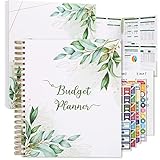
- Keep Track of Your Finances: Manage your personal and family’s finances with this monthly budget planner! Intuitive, comprehensive and fun, this budgeting planner allows you to keep track of your debts, expenses and bills, organize your spending and saving and optimize your budget for achieving your financial goals!
- Large Budgeting Planner: Our budget notebook features a large design of 8.5 x 11-inch that provides enough space for budgeting, financial planning and spending tracking but also for monthly reviews and building strategies for optimizing your budget!
- Well-Organized for Your Convenience: This budget book planner features an easy yet efficient template that includes a monthly budget with customizable categories, a debt tracker, a bill tracker, an expenses tracker as well as a section for financial goals and monthly review that will make things easier when it comes to budget planning!
- 12-Month Budget Management: Our budgeting book features a spiral-bound hardcover design made with high-quality 120gm thick paper and a 12-month undated design that allows you to start budget planning at any time of the year!
- Chic, Practical, Giftable: Featuring a superb boho cover and packed in a matching gift box, this budget book journal makes a lovely gift for a friend, family member or co-worker! The budget journal includes a special pocket for bills, receipts or other documents and comes with 5 stickers that will make your planning more fun and effective!
Tax planning intensifies during this stage. Decisions around Social Security claiming, pension elections, and retirement account withdrawals interact with tax brackets and Medicare premiums. Modeling multiple scenarios clarifies trade-offs rather than relying on single projections.
Debt reduction often becomes a parallel objective. Entering retirement with lower fixed obligations reduces required income. This flexibility increases resilience against investment and inflation uncertainty.
Retirement Income Sources and Account Types
Retirement income typically comes from multiple sources rather than a single stream. Common sources include Social Security, employer pensions, personal investment accounts, and part-time earnings. The mix varies widely across households.
Social Security provides inflation-adjusted lifetime income backed by the federal government. Benefits depend on earnings history and claiming age. Delaying benefits increases monthly payments but requires alternative income in early retirement years.
What’s actually slowing this PC down?
Pick the symptom - the matching free tool is one click away.
Pensions, where available, offer defined income streams. These plans shift investment and longevity risk to the sponsor. Lump-sum versus annuity decisions involve trade-offs between flexibility, guarantees, and survivor benefits.
Personal investment accounts fill gaps between guaranteed income and spending needs. Taxable accounts, traditional retirement accounts, and Roth accounts each have distinct tax implications during withdrawals. Coordinating these accounts affects after-tax income sustainability.
Withdrawal Strategies and Tax Efficiency
Withdrawal strategy refers to the order, timing, and amount of distributions taken from retirement assets. This strategy influences taxes, portfolio longevity, and benefit eligibility. Poor coordination can significantly reduce net income without increasing spending.
Traditional retirement accounts are subject to ordinary income tax upon withdrawal. Required Minimum Distributions (RMDs) mandate withdrawals beginning at a specified age to ensure deferred taxes are eventually collected. RMDs can push retirees into higher tax brackets if unmanaged.
The Tool Desk
Outbyte PC Repair FREERepair Windows errors before they cause bigger problemsFix Now →Outbyte Driver Updater FREEFix the driver behind crashes, sound loss and screen glitchesFind Drivers →Roth accounts offer tax-free qualified withdrawals and are not subject to RMDs during the original owner’s lifetime. These features make Roth assets valuable for managing late-life tax exposure. They also provide flexibility for irregular expenses.
Taxable accounts generate a mix of capital gains, dividends, and interest. Capital gains may receive preferential tax rates depending on holding period. Strategic use of taxable assets can smooth income and reduce marginal tax rates in early retirement.
Longevity Risk and Inflation Protection
Longevity risk is the risk of outliving financial resources. Increases in life expectancy have extended retirement periods beyond what prior generations experienced. This risk compounds with inflation and health-related expenses.
Inflation erodes purchasing power over time. Even modest inflation significantly increases required income across multi-decade retirements. Assets with growth potential and inflation-linked income sources help address this challenge.
Lifetime income products, such as annuities, pool longevity risk across individuals. An annuity is a contract that provides periodic payments in exchange for a lump sum or series of payments. These products trade liquidity and upside potential for income certainty.
Health care costs represent a major late-life financial variable. Medicare does not eliminate out-of-pocket expenses, particularly for long-term care. Planning for these costs intersects with insurance decisions and withdrawal sequencing.
Behavioral and Structural Considerations in Retirement Planning
Behavioral factors influence retirement outcomes as much as technical design. Overconfidence, loss aversion, and inconsistent saving patterns distort decision-making. Structured plans help counteract these tendencies.
Automatic contributions, default investment options, and periodic rebalancing reduce reliance on constant oversight. Rebalancing involves realigning a portfolio to its target asset allocation after market movements. This discipline manages risk without requiring market timing.
Retirement planning remains dynamic even after retirement begins. Spending patterns, health status, and market conditions evolve. Ongoing monitoring ensures that withdrawals remain aligned with both resources and longevity expectations.
The integration of retirement accounts, tax strategy, risk management, and behavioral discipline completes the long-term financial framework. Retirement planning is not isolated from earlier financial decisions but reflects their cumulative impact over time.
Financial Decision-Making Over a Lifetime: Major Purchases, Life Events, and Long-Term Discipline
Financial outcomes are shaped less by isolated choices and more by how decisions compound across decades. Major purchases, life transitions, and sustained habits interact with income, taxes, risk exposure, and time. Understanding these interactions allows financial decisions at one stage to support, rather than undermine, long-term security.
Earlier sections established the mechanics of earning, saving, investing, and protecting assets. This section integrates those components across the life cycle, emphasizing disciplined decision-making as circumstances evolve. Financial literacy becomes most valuable when applied consistently through change.
Major Purchases and Opportunity Cost
Large financial commitments, such as housing, vehicles, and education, exert long-lasting effects on cash flow and net worth. These decisions typically involve leverage, meaning borrowed funds magnify both potential benefits and risks. The timing, scale, and financing terms often matter more than the asset itself.
Opportunity cost refers to the value of the next best alternative foregone when a choice is made. Capital allocated to a depreciating asset cannot simultaneously compound in long-term investments. Evaluating purchases through this lens highlights trade-offs beyond monthly payments.
Lifestyle inflation, the tendency for spending to rise with income, intensifies the impact of major purchases. Fixed obligations reduce flexibility during economic downturns or career disruptions. Maintaining margin between income and fixed costs improves resilience.
Life Events and Financial Transitions
Life events introduce discontinuities into financial planning. Marriage, divorce, children, career changes, illness, and inheritance alter income streams, tax status, risk exposure, and time horizons. Each transition requires reassessment rather than assumption of continuity.
Quick wins for a faster PC:
Scan for outdated or missing drivers - takes under a minuteDriver Scan →Clear out junk files and repair common Windows errorsFree Scan →Fix the driver behind crashes, sound loss and screen glitchesFind Drivers →Household formation and dissolution affect economies of scale and legal responsibilities. Tax filing status, benefit eligibility, and estate considerations change accordingly. Financial coordination becomes more complex as interdependencies increase.
Career disruptions, whether voluntary or involuntary, create variability in earnings and benefits. Emergency savings, portable retirement accounts, and diversified skill sets mitigate income volatility. These buffers convert uncertainty into manageable risk.
Risk Management Across the Life Cycle
Risk exposure evolves with age, assets, and obligations. Early stages emphasize income protection, while later stages focus on preserving purchasing power and funding consumption. Insurance, diversification, and liquidity operate as complementary tools.
Insurance transfers low-probability, high-impact risks to pooled arrangements. Health, disability, property, and liability coverage prevent catastrophic losses from derailing long-term plans. Coverage needs change as dependents, assets, and earning capacity change.
Investment risk tolerance reflects both psychological comfort and financial capacity to absorb losses. Time horizon, human capital, and existing wealth determine appropriate exposure to volatility. Adjustments over time reflect changing objectives rather than market conditions.
Taxes as a Lifetime Variable
Taxes influence nearly every financial decision, yet their impact unfolds over decades. Marginal tax rates, which apply to the last dollar earned, differ from effective tax rates, which reflect total taxes paid as a percentage of income. Understanding this distinction clarifies trade-offs between income, deductions, and deferral.
Tax-advantaged accounts allow income or gains to grow with reduced tax drag. Asset location, the placement of investments across taxable and tax-advantaged accounts, affects after-tax outcomes. Withdrawal timing in retirement reverses accumulation decisions made earlier.
Legislative changes introduce uncertainty into long-term tax planning. Flexibility, diversification of account types, and avoidance of irreversible decisions reduce reliance on any single tax regime. Tax awareness supports decision-making without requiring prediction.
Behavioral Discipline and Structural Support
Consistent financial behavior often matters more than optimization. Cognitive biases, such as present bias and overreaction to short-term outcomes, interfere with rational planning. Structures that automate saving and investing reduce reliance on willpower.
Rules-based systems, including contribution targets and spending thresholds, create guardrails. These systems simplify decisions during emotionally charged periods. Discipline is reinforced through repetition rather than constant evaluation.
Periodic review replaces frequent adjustment. Reviewing goals, balances, and assumptions at defined intervals balances responsiveness with stability. This approach aligns behavior with long-term objectives.
Integrating Decisions Into a Coherent Financial Life
Personal finance is cumulative. Each decision builds upon prior choices, constrained by existing commitments and enabled by prior discipline. Viewing finances as an integrated system clarifies how short-term actions affect long-term outcomes.
Recommended Free Tools
Financial plans are frameworks, not forecasts. They accommodate uncertainty while providing direction. Adaptability, informed by evidence-based principles, sustains progress across changing conditions.
Long-term financial security emerges from alignment between resources, goals, and behavior. Major purchases, life events, and disciplined habits determine whether this alignment strengthens or erodes over time. A comprehensive understanding of personal finance enables informed decisions at every stage, reinforcing stability, resilience, and sustainability across a lifetime.
Quick Recap
Product prices and availability are accurate as of the date/time indicated and are subject to change. Any price and availability information displayed on Amazon at the time of purchase will apply.




