A renewable resource is a natural input that can replenish itself over time through biological, geological, or physical processes, provided the rate of use does not exceed the rate of regeneration. Common examples include sunlight, wind, freshwater flows, forests, and sustainably managed fisheries. The defining feature is not infinite availability, but the capacity for renewal within a relevant human time horizon.
From an economic perspective, renewable resources matter because they shape how societies produce energy, food, and materials while maintaining long-term productive capacity. Unlike non-renewable resources, such as oil or mineral ores, renewable resources can support ongoing economic activity without being permanently depleted. This distinction is central to sustainability, which in economics refers to meeting current needs without reducing future economic possibilities.
Core Definition and Physical Basis
Renewability depends on natural regeneration mechanisms. Solar radiation is renewed continuously by astrophysical processes, while forests regenerate through biological growth cycles. The speed and reliability of these processes vary widely, making some renewable resources effectively continuous flows and others renewable stocks that require careful management.
A key constraint is the regeneration rate, meaning the maximum amount that can be used without reducing the underlying resource base. When use exceeds this rate, even a renewable resource can become functionally depleted. Overfishing, groundwater over-extraction, and deforestation are standard examples where renewability breaks down due to mismanagement.
Free tools Windows power users keep installed
One-click scans. No signup required.
#1 Best Overall

- COMPREHENSIVE, CURRICULUM-DRIVEN SCIENCE KIT: This state-of-the-art kit, designed for both classroom and home use, explores how renewable energy is generated and consumed through hands-on activities and projects.
- QUALITY COMPONENTS & MODULAR BUILDING SYSTEM: Durable plastic parts designed for long-term use and experimentation include a solar panel, wind turbine parts, and more, enabling kids to build several models such as a windmill, hand-crank generator, LED buzzer, electric car, and beyond. Easy-to-use system allows for pieces to be swapped, combined, and reconfigured in multiple ways.
- HANDS-ON, PROJECT-BASED LEARNING: Visualize and experience different types of energy generation through the models of real-life devices and machines and better understand the concepts related to alternative energy and sustainable living. Also compatible with micro:bit (sold separately) for ease of digital data collection.
- COMPATIBLE WITH NGSS: The 24 experiments align with several Next Generation Science Standards, cross-cutting concepts, and disciplinary core ideas for easy integration into at-home or classroom curricula.
- CLASSROOM RESOURCES AVAILABLE: In addition to the 32-page illustrated manual, printable worksheets to guide student learning are available online.
Economic Intuition: Scarcity, Value, and Time
In economics, scarcity refers to limited availability relative to demand. Renewable resources are scarce not because they disappear permanently, but because their productive capacity at any moment is finite. This scarcity gives them economic value and makes allocation decisions unavoidable.
Time plays a central role in how renewable resources are valued. Because future availability depends on present use, economic analysis often focuses on intertemporal trade-offs, meaning choices that balance benefits today against costs or benefits in the future. This framework underpins resource pricing, conservation incentives, and long-term investment planning.
Renewable Resources as Economic Assets
Renewable resources function as productive assets rather than one-time inputs. A forest, for example, generates value repeatedly through timber, carbon storage, and ecosystem services if harvest rates remain within sustainable limits. Ecosystem services refer to the benefits natural systems provide to the economy, such as water filtration, pollination, and climate regulation.
When managed well, renewable resources can deliver stable, long-duration economic returns. When managed poorly, their degradation imposes costs that are often externalities, meaning economic damages not reflected in market prices. These hidden costs link renewable resource management directly to public policy, corporate strategy, and long-term economic resilience.
Crashes, No Sound, or Screen Glitches?
Random freezes, missing sound and display glitches usually trace back to one bad driver. Find and replace yours safely.Free scan · under a minutePC Slower Than It Used to Be?
A free scan shows the junk files, broken settings and background clutter dragging Windows down - then fixes them in one click.Free scan · Windows 10 & 11How Renewable Resources Regenerate: Natural Cycles, Time Horizons, and Sustainability Thresholds
Renewable resources persist because they are embedded in natural regeneration processes that replenish biological or physical capacity over time. These processes determine how quickly a resource can recover from use and whether continued extraction preserves or erodes long-term value. Understanding regeneration is therefore essential for linking environmental sustainability with economic durability.
Natural Regeneration Cycles
Renewable resources regenerate through ecological or physical cycles governed by natural systems rather than human production alone. Forests regrow through biological growth, fisheries replenish through reproduction, and freshwater supplies renew through the hydrological cycle of precipitation, infiltration, and runoff. The speed and reliability of these cycles vary widely depending on climate, ecosystem health, and human interference.
Some renewable resources behave as continuous flows, meaning they are replenished constantly and are not meaningfully stored, such as solar radiation or wind. Others function as renewable stocks, meaning they accumulate over time and can be depleted if extraction exceeds regeneration. This distinction is economically important because stock-based resources require active management to prevent long-term decline.
Time Horizons and Regeneration Speed
Regeneration occurs over specific time horizons, which define how long a resource takes to recover after use. Fast-regenerating resources, such as crops or solar energy, can replenish within months or instantly, allowing for frequent use without long recovery periods. Slow-regenerating resources, such as old-growth forests or groundwater aquifers, may require decades or centuries to return to prior levels.
Recommended Free Tools
These time horizons shape economic decision-making by affecting opportunity cost, defined as the value of the best alternative use of a resource. Using a slow-regenerating resource today reduces availability far into the future, raising the economic cost of current extraction. As a result, long regeneration times increase the importance of long-term planning, regulation, and investment discipline.
Sustainability Thresholds and Regeneration Limits
A sustainability threshold is the maximum rate of use that does not reduce a resource’s long-term productive capacity. In ecological terms, this is often linked to carrying capacity, meaning the maximum population or stock level an ecosystem can maintain indefinitely. Staying below this threshold allows the resource to regenerate fully and continue delivering economic benefits.
Exceeding the threshold leads to resource degradation even though the resource is technically renewable. Fish populations can collapse, soils can lose fertility, and water tables can fall below recharge levels. Once these thresholds are crossed, recovery may be slow, costly, or uncertain, transforming a renewable asset into a source of economic risk.
Implications for Economic Sustainability
Regeneration dynamics determine whether renewable resources function as stable income-generating assets or as declining capital bases. Sustainable use preserves the asset value over time, enabling consistent output and predictable returns. Unsustainable use consumes the underlying capital, creating short-term gains at the expense of long-term economic resilience.
For investors and policymakers, regeneration rates and sustainability thresholds serve as indicators of long-term viability. Resources aligned with natural renewal cycles support durable growth, while those under excessive pressure expose economies to volatility, scarcity, and rising future costs. These dynamics directly connect environmental limits to financial stability and intergenerational economic outcomes.
Key Types of Renewable Resources: Energy, Biological, and Ecosystem-Based Assets
Building on the importance of regeneration rates and sustainability thresholds, renewable resources can be grouped into broad categories based on how they regenerate and how economic value is extracted. These categories help clarify why management strategies, risk profiles, and long-term returns differ across resource types. From an economic perspective, each category represents a distinct form of natural capital, meaning a stock of natural assets that produces goods or services over time.
Renewable Energy Resources
Renewable energy resources are flows of energy that are continuously replenished by natural processes, rather than depleted through use. Common examples include solar radiation, wind currents, hydrological cycles used for hydropower, geothermal heat, and ocean-based energy such as tides and waves. Their defining feature is that energy extraction does not reduce future availability, provided supporting infrastructure does not disrupt underlying systems.
Rank #2

- FIFTH-GENERATION WIND TURBINE KIT: Updated version of the best-selling STEM kit about wind power and energy, kids can make their own wind turbine to explore this renewable energy source.
- OPTIMIZED FOR INDOOR & OUTDOOR USE: Design includes a new blade hub and gear ratio to enhance performance in outdoor wind and with indoor fan setups.
- WHAT YOU LEARN: Dive into the technology behind one of the most promising sources of clean energy, how it has been used it the past, and how it is used today.
- INCLUDES ELECTRIC MODEL CAR: Use your turbine to generate and store electricity to power a model car in just two minutes—no batteries required!
- GUIDED JOURNEY THROUGH WIND POWER: The 32-page, full-color manual provides illustrated step-by-step assembly instructions and easy-to-understand explanations about the scientific concepts at work.
Economically, renewable energy differs from extractive resources because the primary constraint is not physical scarcity but infrastructure capacity and location. Capital investment is concentrated upfront in generation assets such as solar panels or wind turbines, while operating costs and fuel inputs are relatively low. Long-term sustainability depends less on regeneration limits and more on system integration, maintenance, and environmental externalities, defined as costs or benefits not fully reflected in market prices.
Do these 3 things before closing this tab:
1Clear out junk files and repair common Windows errors2Scan for outdated or missing drivers - takes under a minute3Repair Windows errors before they cause bigger problemsBiological Renewable Resources
Biological renewable resources consist of living organisms that regenerate through natural biological processes. This category includes forests, agricultural crops, livestock, fisheries, and freshwater resources. Unlike energy flows, these assets have measurable stock levels, meaning current use directly affects future availability.
The economic value of biological resources depends on managing harvest rates below regeneration capacity. Overharvesting reduces the biological stock, undermining future yields and increasing long-term costs. When managed sustainably, these resources function like income-producing assets; when mismanaged, they resemble depreciating capital that erodes economic value over time.
Ecosystem-Based Renewable Assets
Ecosystem-based renewable assets provide economic value through services rather than direct extraction. These ecosystem services include water purification by wetlands, carbon sequestration by forests, flood protection by mangroves, soil stabilization, and pollination by insects. Although less visible in markets, these services support economic activity across agriculture, infrastructure, insurance, and public health.
The regeneration of ecosystem services depends on maintaining ecological integrity rather than maximizing output. Degradation often occurs gradually, making economic losses difficult to detect until thresholds are crossed. Once impaired, restoration can be expensive or incomplete, transforming what appeared to be a renewable asset into a long-term economic liability.
Why Resource Type Matters for Long-Term Economic Outcomes
Distinguishing among energy, biological, and ecosystem-based renewable resources clarifies why sustainability risks vary across sectors. Energy resources face primarily technological and system-level constraints, while biological and ecosystem assets are more sensitive to overuse and ecological feedbacks. Each category therefore requires different regulatory frameworks, monitoring tools, and investment horizons.
From a sustainability and finance perspective, understanding these differences supports more accurate assessments of durability, volatility, and long-term value creation. Renewable resources that remain within regeneration limits preserve natural capital and stabilize economic output. Those pushed beyond ecological boundaries introduce compounding risks that affect productivity, public finances, and intergenerational economic welfare.
Renewable vs. Non-Renewable Resources: Economic Trade-Offs and Long-Term Implications
Building on the distinction between renewable assets and depreciating natural capital, the comparison with non-renewable resources highlights fundamental economic trade-offs. Renewable and non-renewable resources differ not only in physical characteristics, but also in cost structures, risk profiles, and long-term economic consequences. These differences shape how economies allocate capital, manage scarcity, and plan for future productivity.
Cost Structures and Production Economics
Non-renewable resources such as fossil fuels and mineral ores are finite stocks extracted until depletion. Their production costs typically rise over time as higher-quality reserves are exhausted and extraction shifts to more technically complex or remote locations. This pattern creates increasing marginal costs, meaning each additional unit extracted becomes more expensive than the last.
What’s actually slowing this PC down?
Pick the symptom - the matching free tool is one click away.
Renewable resources, when managed within regeneration limits, exhibit more stable long-term cost dynamics. Upfront investments in infrastructure, management, or restoration may be high, but ongoing operating costs can remain relatively predictable. This distinction affects price stability, capital planning, and the long-run affordability of resource-dependent goods and services.
Depletion Risk and Intergenerational Economic Effects
Non-renewable resource use inherently transfers economic benefits to the present at the expense of future availability. This creates intergenerational trade-offs, where current consumption reduces options for future economic activity. Without reinvestment into productive assets, economies reliant on non-renewable extraction may experience declining income once resources are depleted.
Renewable resources, by contrast, can support continuous economic output across generations if regeneration is preserved. Overexploitation converts a renewable asset into a depletion problem, undermining this advantage. From an economic perspective, sustainability determines whether a resource functions as a lasting income stream or a one-time liquidation of natural capital.
Price Volatility, Externalities, and Systemic Risk
Non-renewable resource markets are often characterized by price volatility driven by geopolitical concentration, supply shocks, and finite reserve dynamics. Volatility introduces uncertainty for producers, consumers, and public budgets. It can also amplify macroeconomic instability in resource-dependent economies.
Renewable resources tend to distribute production more broadly and rely less on geographically concentrated inputs. However, mismanagement can generate negative externalities, defined as costs imposed on third parties not reflected in market prices, such as ecosystem degradation or biodiversity loss. Proper governance determines whether renewable resource use reduces or compounds systemic economic risk.
Investment Horizons and Long-Term Value Creation
Non-renewable resource investments often prioritize shorter to medium-term returns tied to extraction timelines. Asset values are sensitive to reserve estimates, regulatory changes, and technological substitution. As alternatives emerge, remaining reserves may lose economic viability before physical depletion occurs, a risk known as asset stranding.
Rank #3
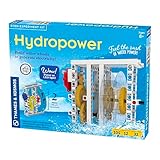
- 12 experiments and building projects
- Harness mechanical energy from water to do physical work
- Generate electricity to light an LED
- Learn the physics of water turnies
- Discover why hydropower is a promising source of energy
Renewable resources align more naturally with long-duration investment horizons when ecological limits are respected. Their value depends on maintaining productive capacity rather than accelerating extraction. For long-term economic sustainability, the key distinction lies not in whether a resource is labeled renewable, but in whether management practices preserve its capacity to generate stable economic value over time.
Environmental and Economic Considerations: Scarcity, Externalities, and Resource Management
Building on the distinction between depletion and sustained productivity, renewable resources introduce a more complex economic challenge: scarcity does not disappear, but instead becomes conditional. Availability depends on regeneration rates, ecosystem thresholds, and human management choices. As a result, both environmental integrity and economic value are jointly determined rather than independent.
Quick wins for a faster PC:
Fix the driver behind crashes, sound loss and screen glitchesFind Drivers →Repair Windows errors before they cause bigger problemsFix Now →Conditional Scarcity and Regeneration Constraints
Renewable resources are often described as abundant, yet they remain scarce in an economic sense because regeneration occurs within biophysical limits. Scarcity refers to the condition in which limited supply must be allocated among competing uses. When extraction or use exceeds natural renewal rates, effective scarcity increases even if the resource is theoretically renewable.
Fisheries provide a clear illustration. Fish stocks can replenish over time, but excessive harvesting reduces breeding populations, lowering future yields. In economic terms, short-term output gains are offset by long-term reductions in productive capacity, converting a renewable flow into a declining asset.
Externalities and Market Failure
Renewable resource use frequently generates externalities, which are costs or benefits affecting parties not directly involved in the transaction. Environmental externalities arise when market prices fail to reflect ecosystem impacts such as soil erosion, water pollution, or habitat loss. When these effects are excluded from pricing, private incentives diverge from socially efficient outcomes.
For example, bioenergy production can reduce fossil fuel use, a positive externality through lower greenhouse gas emissions. However, if it drives deforestation or water depletion, negative externalities may outweigh climate benefits. Without corrective mechanisms such as regulation or pricing instruments, markets alone cannot reliably signal sustainable levels of use.
Resource Management and Institutional Design
Effective management determines whether renewable resources function as stable economic assets. Resource management refers to the rules, monitoring systems, and enforcement mechanisms that govern access and use. Well-designed institutions align individual behavior with long-term regeneration by limiting extraction, defining property or usage rights, and enforcing compliance.
Forestry management demonstrates this principle. Managed forests that balance harvesting with replanting can deliver continuous timber output while preserving ecosystem services. Poorly regulated forests, by contrast, face degradation that erodes both environmental value and future economic returns.
Implications for Long-Term Economic Sustainability
From an economic perspective, renewable resources shift the focus from extraction efficiency to capacity preservation. Long-term value depends on maintaining the underlying natural systems that generate ongoing output. This makes ecological indicators, such as regeneration rates and resilience, economically relevant variables rather than purely environmental concerns.
For investors and policymakers evaluating long-duration assets, renewable resources highlight the link between environmental constraints and financial performance. Stable returns are contingent on governance quality and ecological stewardship. In this framework, sustainability is not an ethical overlay, but a structural condition for enduring economic value.
The Tool Desk
Outbyte Driver Updater FREEFix the driver behind crashes, sound loss and screen glitchesFind Drivers →Outbyte PC Repair FREERepair Windows errors before they cause bigger problemsFix Now →Limitations and Risks of Renewable Resources: Overuse, Variability, and Technological Constraints
Despite their regenerative capacity, renewable resources are not immune to economic limits. The transition from theoretical renewability to practical sustainability depends on biological, physical, and technological conditions. When these constraints are ignored, renewable resources can generate volatility, depletion, and financial underperformance.
Overuse and Regeneration Limits
Renewable resources regenerate only within biological or ecological thresholds. Overuse occurs when extraction or consumption exceeds the natural regeneration rate, leading to declining stocks despite the resource being classified as renewable. This dynamic is common in fisheries, groundwater basins, and forests lacking enforceable usage limits.
From an economic standpoint, overuse represents a form of capital depletion. The natural system functions as a productive asset, and excessive extraction reduces its future output capacity. This undermines long-term economic value and introduces sustainability risk into sectors dependent on continuous resource availability.
Common-Pool Resource Risk and Incentive Failure
Many renewable resources exhibit common-pool characteristics, meaning they are difficult to exclude users from and one user’s consumption reduces availability for others. Without clearly defined property rights or regulatory controls, individual users face incentives to extract as much as possible before others do. This coordination failure is known as the tragedy of the commons.
Quick wins for a faster PC:
Repair Windows errors before they cause bigger problemsFix Now →Scan for outdated or missing drivers - takes under a minuteDriver Scan →The financial implication is that market prices alone may not reflect scarcity or long-term damage. Revenue streams tied to such resources can appear stable in the short term while masking structural erosion of the underlying asset. Institutional quality therefore becomes a material factor in assessing economic durability.
Rank #4
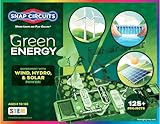
- SO MANY TOYS IN A SNAP: Make dozens of cool electronic gadgets - all from one box! A safe and fun way to introduce children ages 8+ to the basics of electrical engineering and green energy! Build exciting projects and toys using the included colorful instruction book!
- EXPLORE ALTERNATIVE ENERGY IN A SNAP: With 45+ parts build over 125 fun green-energy projects! Make your own solar light clock, mini car powered by wind energy, and even talk to your friends through morse code! Includes THINK GREEN manual to have fun learning about different types of alternative energy, like solar, wind, hand-crank, hydro, and even geothermal power.
- GREAT GIFT Give the gift of learning and fun this holiday season! Snap Circuits kits will keep kids busy and having fun all year round. Combine with other Snap Circuits kits for even more projects!
- NO EXTRA TOOLS NEEDED Elenco Snap Circuit kits include everything you need to start learning immediately - and more. Unlike traditional electronics kits, no soldering or tools are required to build. The numbered and color coded pieces snap easily onto the included plastic grid.
- AWARD WINNING KITS! We're proud to produce high quality products loved by kids, parents,and educators. Snap Circuits kits have won a number of awards - including the Specialty Toy of the Year Award, Seriously STEM! award, Good Housekeeping's Best Toys, Purdue University's Engineering Gift Guide, National Parenting Center's Seal of Approval, Toy Insider's Top Holiday Toys, placement on the Dr. Toy list of 100 Best Children's Products and placement on the Dr. Toy list of Best Educational products, and the "Stem Approved" Trustmark from Stem.org.
Variability and Intermittency in Renewable Flows
Many renewable resources are subject to natural variability. Solar and wind energy depend on weather patterns, hydropower relies on precipitation, and agricultural yields fluctuate with climate conditions. This intermittency introduces uncertainty into supply, complicating planning, pricing, and infrastructure utilization.
From a systems perspective, variability raises costs by requiring backup capacity, storage, or flexible demand. These supporting investments reduce net efficiency and can delay breakeven timelines. Economic value depends not only on average resource availability but also on predictability and system integration.
Climate Change as a Compounding Risk
Climate change alters the behavior of renewable systems themselves. Shifts in temperature, rainfall, and ecosystem dynamics can reduce regeneration rates or increase volatility. Resources historically considered stable may become less reliable over time.
This creates a feedback loop in which environmental degradation weakens the very resources intended to support a low-carbon transition. Long-term economic planning must therefore account for adaptive capacity rather than assuming static renewable performance.
Technological and Infrastructure Constraints
The economic usefulness of renewable resources depends on available technology. Energy generation, storage, transmission, and conversion systems determine how effectively natural flows are transformed into usable output. Technological limitations can constrain scale, efficiency, or reliability.
Capital intensity is a key consideration. Renewable infrastructure often requires high upfront investment, with returns realized over long horizons. Delays in technological improvement or cost reductions can affect competitiveness relative to conventional alternatives, particularly in capital-constrained environments.
Material and Supply Chain Dependencies
Renewable technologies rely on physical inputs such as rare earth elements, copper, lithium, and specialized components. These materials are finite, geographically concentrated, and subject to geopolitical risk. Supply constraints or price volatility can limit deployment even when renewable resources themselves are abundant.
This highlights an important distinction between renewable energy flows and non-renewable material inputs. Economic assessments must evaluate the full production chain rather than focusing solely on the renewability of the primary resource.
Implications for Economic and Financial Assessment
The limitations of renewable resources reinforce the importance of systems-level analysis. Regeneration rates, variability, technological readiness, and institutional strength all influence economic performance. Ignoring these factors can lead to overestimation of stability and underpricing of risk.
For long-term economic sustainability, renewable resources must be evaluated as managed assets rather than self-sustaining solutions. Their contribution to enduring value depends on disciplined use, adaptive technology, and governance structures that respect ecological constraints.
Independent reader supportYour contribution helps us test, update, and keep practical guides available for everyone.Real-World Examples: Solar, Wind, Forests, Water, and Fisheries in Practice
The abstract characteristics of renewable resources become clearer when examined through operational systems. Each example illustrates how natural regeneration interacts with technology, institutions, and economic incentives. These cases demonstrate that renewability is conditional, not automatic, and must be actively managed to sustain long-term value.
Do these 3 things before closing this tab:
1Clear out junk files and repair common Windows errors2Scan for outdated or missing drivers - takes under a minute3Repair Windows errors before they cause bigger problemsSolar Energy Systems
Solar energy is derived from continuous solar radiation, making it a flow resource rather than a stock resource. Its economic viability depends on photovoltaic technology, which converts sunlight into electricity, and on grid infrastructure capable of absorbing intermittent generation. Intermittency refers to the variable output caused by day-night cycles, weather, and seasonal changes.
From an economic perspective, solar projects involve high upfront capital costs and low operating costs. Long-term performance depends on panel efficiency, land availability, and maintenance, as well as policy frameworks such as grid access rules. The resource itself is renewable, but its financial performance is shaped by technology, regulation, and location-specific conditions.
Wind Power Deployment
Wind energy relies on atmospheric motion driven by temperature and pressure differences. Like solar, it produces variable output, requiring forecasting systems and backup capacity to maintain reliability. Capacity factor, defined as the ratio of actual output to maximum possible output, is a key metric for assessing wind project productivity.
Wind resources are unevenly distributed, making site selection critical. Economic returns depend on wind consistency, turbine durability, transmission access, and local permitting processes. Although wind is inexhaustible in physical terms, economic constraints determine how much of the resource can be productively captured.
Best Value

- 【4 in 1 STEM Kit】These science kits contain a solar powered car, a solar powered fan, a wind powered car and a wooden plane. Each toy is individually packaged.Includes Magnetized Screwdriver and Detailed instructions make it much easier and convenient to assemble the models
- 【Family Stem Activities】This set of science experiments is a good way for parents and children to complete together, can also be used as a classroom STEM project
- 【Unique Gift Idea】Our stem kits designed for kids age 8-12 are cool stuff and very suitable for elementary students to show their talents in a science fair. Packaged in a beautiful gift box, these toys are great gifts for boys and girls for birthday and Christmas
- 【Easy To Assemble】Circuit connection is very simple, NO welding, suitable for kids to complete independently. Includes Magnetic Screwdriver and Detailed instructions make it much easier and convenient to assemble the models
- 【Learn By Playing】Encourage kids to build their own models and enjoy DIY science activities. By playing with these electric kit, children's curiosity and interest in physics will be stimulated, and they'll know how much fun it is to create a circuit by themselves
Managed Forest Resources
Forests represent a biological renewable resource when harvest rates do not exceed natural regrowth. Sustainable forestry relies on rotation cycles, which define the time required for trees to reach harvestable maturity. Exceeding regeneration capacity converts a renewable asset into a depleting one.
Forests also provide non-market services such as carbon sequestration, biodiversity habitat, and water regulation. These ecosystem services generate economic value that is often underpriced or excluded from financial accounts. Effective forest management requires institutional oversight to balance timber revenues with long-term ecological stability.
Freshwater Resources
Freshwater availability depends on hydrological cycles involving precipitation, surface runoff, and groundwater recharge. While water is renewable in principle, local scarcity can arise when extraction exceeds replenishment. Aquifers, which are underground water reservoirs, may take decades or centuries to recharge.
Economic uses of water span agriculture, energy production, industry, and household consumption. Allocation efficiency depends on pricing mechanisms, infrastructure, and legal rights. Weak governance can lead to overuse, reducing water security and increasing long-term economic risk despite the renewable nature of the resource.
What’s actually slowing this PC down?
Pick the symptom - the matching free tool is one click away.
Fisheries and Marine Ecosystems
Fisheries are renewable when fish populations are harvested at or below their maximum sustainable yield, defined as the largest long-term catch that does not reduce future stock levels. Overfishing occurs when extraction exceeds reproductive capacity, leading to population collapse. Recovery can be slow or uncertain once ecological thresholds are crossed.
Effective fisheries management relies on monitoring, catch limits, and enforcement mechanisms. Property rights systems, such as quotas, are often used to align economic incentives with conservation goals. Fisheries demonstrate how renewable resources can fail economically and biologically without strong institutional frameworks.
Together, these examples illustrate that renewable resources are embedded within complex economic systems. Their sustainability depends on disciplined management, technological capability, and governance structures that align short-term use with long-term regeneration.
Why Renewable Resources Matter for Investors and the Economy: Growth, Resilience, and Sustainable Returns
The preceding discussion shows that renewable resources are not automatically sustainable; their economic value depends on management quality, institutional strength, and regeneration capacity. These same characteristics shape why renewable resources are increasingly relevant to investors and to long-term economic performance. From a financial perspective, renewable resources influence growth potential, risk exposure, and the durability of returns.
Recommended Free Tools
Structural Growth and Capital Allocation
Renewable resources underpin industries that are expanding in response to population growth, urbanization, and environmental constraints. Energy systems based on solar, wind, and hydropower, along with sustainably managed agriculture, forestry, and water infrastructure, require large upfront investments in physical assets. Capital expenditure refers to long-term investment in productive assets, and renewable sectors tend to be capital-intensive but stable once operational.
For investors, this creates exposure to long-duration assets that generate predictable cash flows over extended periods. At the macroeconomic level, investment in renewable resource systems supports employment, technological innovation, and infrastructure development. These factors contribute to economic growth without relying on the depletion of finite natural capital.
Economic Resilience and Risk Management
Renewable resources play a central role in economic resilience, defined as the ability of an economy or portfolio to withstand shocks and recover from disruptions. Dependence on non-renewable resources exposes economies to price volatility, supply disruptions, and geopolitical risk. Renewable resources, when locally available and well-managed, reduce reliance on imported inputs and stabilize production costs over time.
From an investment perspective, resilience is closely linked to risk-adjusted returns, which measure performance relative to the level of risk taken. Assets tied to renewable resources often exhibit lower exposure to long-term regulatory and transition risks. Transition risk refers to financial losses that may arise as economies shift toward lower-carbon and more resource-efficient systems.
The Tool Desk
Outbyte Driver Updater FREEScan for outdated or missing drivers - takes under a minuteDriver Scan →Outbyte PC Repair FREERepair Windows errors before they cause bigger problemsFix Now →Sustainable Returns and Intergenerational Value
Sustainable returns are returns that can be maintained over time without eroding the underlying asset base. Renewable resources, by definition, offer the potential for repeated use if extraction remains within regenerative limits. This characteristic aligns with long-term investment horizons, such as those of pension funds, insurance companies, and sovereign wealth funds.
At the economic level, sustainably managed renewable resources preserve ecosystem services that support productivity across sectors. When forests regulate water flows, soils retain fertility, and fisheries remain productive, future economic output is protected. For investors, this translates into reduced long-term downside risk and a closer alignment between financial performance and real economic value creation.
Pricing Externalities and Market Evolution
Many benefits of renewable resources are not fully reflected in market prices due to externalities, which are costs or benefits experienced by third parties. Examples include climate regulation, flood control, and public health impacts. As policies evolve to internalize these externalities through mechanisms such as carbon pricing or environmental standards, the relative value of renewable resource-based activities tends to increase.
This market evolution affects asset valuation and capital flows over time. Investors who understand how environmental constraints translate into economic rules are better equipped to assess long-term competitiveness. For the broader economy, improved pricing of natural capital supports more efficient resource allocation and reduces the likelihood of systemic environmental and financial stress.
Outdated Drivers Are Slowing You Down
One free scan finds every outdated or missing driver and matches the right update for your exact hardware.Free scan · exact hardware matchWindows Errors? Fix Them Before They Spread
Repair common Windows errors and clear accumulated junk for a smoother, more stable PC - no reinstall needed.Free scan · no reinstallRenewable Resources as an Economic Foundation
Renewable resources matter because they connect ecological limits with economic opportunity. When governed effectively, they support growth that is less vulnerable to depletion, price shocks, and environmental degradation. Poor management, by contrast, turns renewable assets into sources of instability and loss.
For investors and policymakers alike, renewable resources represent more than an environmental consideration. They form a foundational component of long-term economic sustainability, influencing how value is created, preserved, and distributed across generations.
Quick Recap
Product prices and availability are accurate as of the date/time indicated and are subject to change. Any price and availability information displayed on Amazon at the time of purchase will apply.




